

AI influencers are changing how brands, creators, and content teams build digital presence. Instead of relying only on real-world photo shoots, availability, travel, and production cycles, a team can develop a consistent fictional personality and create original visual campaign material around it. The useful question is not whether a generated face looks polished. It is whether the character has a clear role, a repeatable visual system, and a reason for an audience to care.
This guide focuses on using a digital creator in brand content: campaign fit, identity consistency, review, and audience trust. For definitions and real examples, start with what an AI influencer is. For the system mechanics, read how AI influencer generators work. If you need the hands-on setup, see our step-by-step AI influencer tutorial.
Define the digital creator's role in your campaign
An artificial intelligence influencer is a fictional digital character designed to appear in content like a social media personality. The character can be realistic or stylized, but it should have more than a face: a recognizable look, a niche, a point of view, and content habits that make sense together.
A skincare concept might use a calm beauty creator focused on routines and ingredient education. A gaming concept might use a stylized host who reacts to releases. A travel concept might use a fictional city guide with a clear editorial angle. In every case, consistency—not novelty—is the useful part of the system.
Create Your AI InfluencerHow does an AI influencer workflow work?
Traditional influencer marketing often depends on real people, schedules, contracts, locations, reshoots, and changing production conditions. A virtual creator workflow starts with a character brief, then uses that brief to direct new scenes and formats. It still needs a creative lead: somebody decides what the character should represent, what is in scope, and what should be rejected.
Identity
Lock the adult character’s face, hair, proportions, signature style, niche, and values.
Scenes
Change the setting, pose, wardrobe, and visual story while protecting the identity anchors.
Review
Check anatomy, claims, disclosure, context, and campaign fit before anything is published.
AI influencers and human creators serve different jobs
An AI influencer is not a substitute for lived experience, expert opinion, consented endorsement, or a real customer result. Human creators remain the right choice when the work depends on personal testimony, actual product use, or community trust built through a real person’s experience.
A fictional creator can be useful when a team needs an original campaign character, a consistent visual world, or a low-risk way to explore a content direction before committing to a larger production. The distinction should be clear to the audience when it affects how they interpret the content.
Why brands and creators use virtual personalities
Brands use artificial intelligence influencers to explore campaign concepts, create a cohesive character world, and adapt one creative direction into several original scenes. Independent creators may use the format to build a fictional media property with a defined aesthetic and content universe.
- A fashion label can explore a launch mood through a consistent fictional style creator.
- A hospitality team can test destination stories without implying a real guest review.
- A solo creator can develop original post concepts before deciding which formats deserve a larger production.
How to start: a six-step character system
The strongest results come from defining the character as a brand asset, not asking for a random attractive portrait. Start small, create a useful first set, and improve it through review.
1. Choose a niche and audience
The niche should shape wardrobe, settings, language, and campaign use cases. A luxury beauty character should not look or speak like a streetwear gaming host.
2. Define identity anchors
Write down the adult character’s face shape, hair, styling cues, personality, values, and content angle. Keep those anchors stable across every approved asset.
3. Create a reusable character
In Studio, begin with a fictional adult character or an image you own or are authorized to use. Save the approved character before expanding into new scenes.
4. Build content themes
Choose a small set of repeatable themes: a routine, a point of view, a behind-the-scenes moment, or a campaign story. Themes make future creative decisions easier.
5. Generate photos and short videos
Use the saved character for consistent photos, then create short-form video concepts that fit the same identity. Vary the narrative rather than repeating the same pose.
6. Review for brand safety
Reject weak outputs. Check visual realism, context, claims, disclosure language, and whether the scene makes sense for the character.

Benefits are real, but limits still matter
The practical advantage is creative control. Once a character is established, a team can direct original scenes around the same face, styling, and role. That can make ideation and campaign pre-production more flexible.
It does not remove the need for strategy, taste, approval, or legal review. A generic virtual face will not create a useful campaign. Neither should a fictional character make medical, performance, testimonial, or sponsorship claims that cannot be supported.
Disclosure and brand safety are part of the work
Keep a simple record of the approved reference set, prompt or creative brief, reviewer, campaign, and publishing context. For teams managing many assets, the C2PA Content Credentials standard can help make media provenance more legible. The NIST AI Risk Management Framework is a useful starting point for a broader review process.
For U.S.-facing paid endorsements, consult the FTC’s disclosure guidance. Platform rules and local requirements can differ, so a legal or policy review should cover the specific market and claim before launch.
The next step is intentional experimentation
The future of influencer marketing is not only about generating attractive images. It is about building recognizable digital personalities with a clear niche, believable content habits, and useful creative direction. Start with a limited content set, learn from the review, and expand only when the character is consistent and the audience purpose is clear.
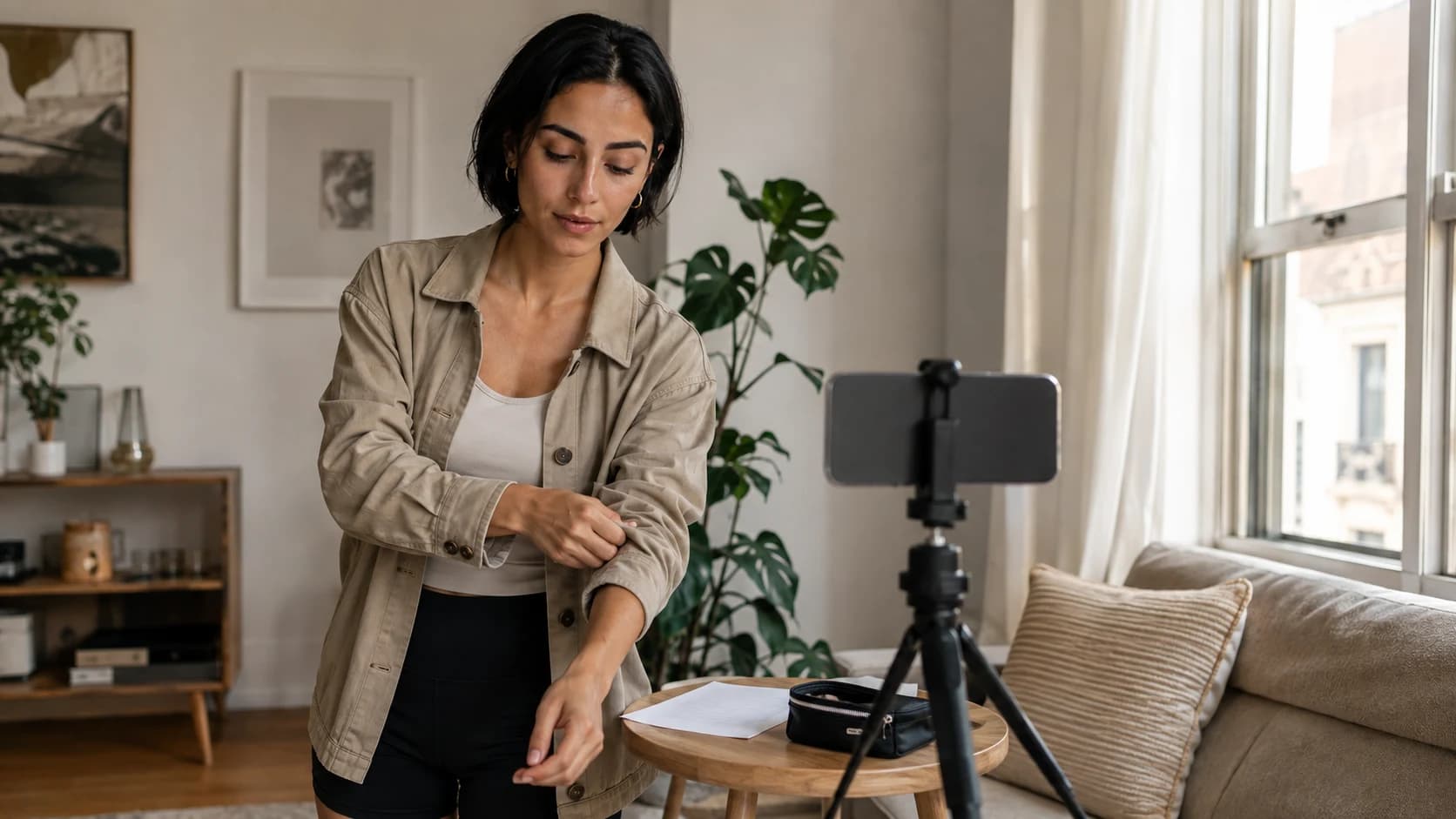
When you are ready to make the first approved character, use Studio to create a consistent starting point, then move into photos and short-form content deliberately. The AI influencer realism guide explains how to evaluate identity, motion, context, and trust over time. For channel planning, read the cross-platform AI social media influencer strategy or the focused AI influencer Instagram account guide; for commercial planning, see the AI influencer monetization case study.
Create Your AI InfluencerFrequently asked questions
What is an artificial intelligence influencer?
An artificial intelligence influencer is a fictional digital character with a recognizable visual identity, niche, and content point of view. Teams can use that character to create original social images and short-form video concepts while making its fictional or AI-assisted nature clear where that context matters.
Are AI influencers meant to replace human creators?
No. A virtual creator is a different creative format, not a substitute for lived experience, consented human endorsement, or a real customer's result. Human creators remain essential when a campaign depends on personal expertise, real product testing, or a lived point of view.
How do you keep an AI influencer consistent?
Start with stable identity anchors: an adult character's face, hair, proportions, style rules, niche, and voice. Then vary the story around those anchors through new poses, locations, outfits, and content formats. Review every asset before it becomes a new reference.
What should brands disclose when using an AI influencer?
Disclosure depends on the audience, platform, market, and commercial claim. Teams should make fictional or AI-assisted context clear when it could affect a reasonable viewer's understanding, and should clearly disclose paid relationships and avoid unsupported product claims.
Plan Content
Measure Engagement
Build Your Profile
Price Your Work
Write Post Copy
Brand Partnerships