
AI Influencer Agency Workflow for Brands and Marketing Teams

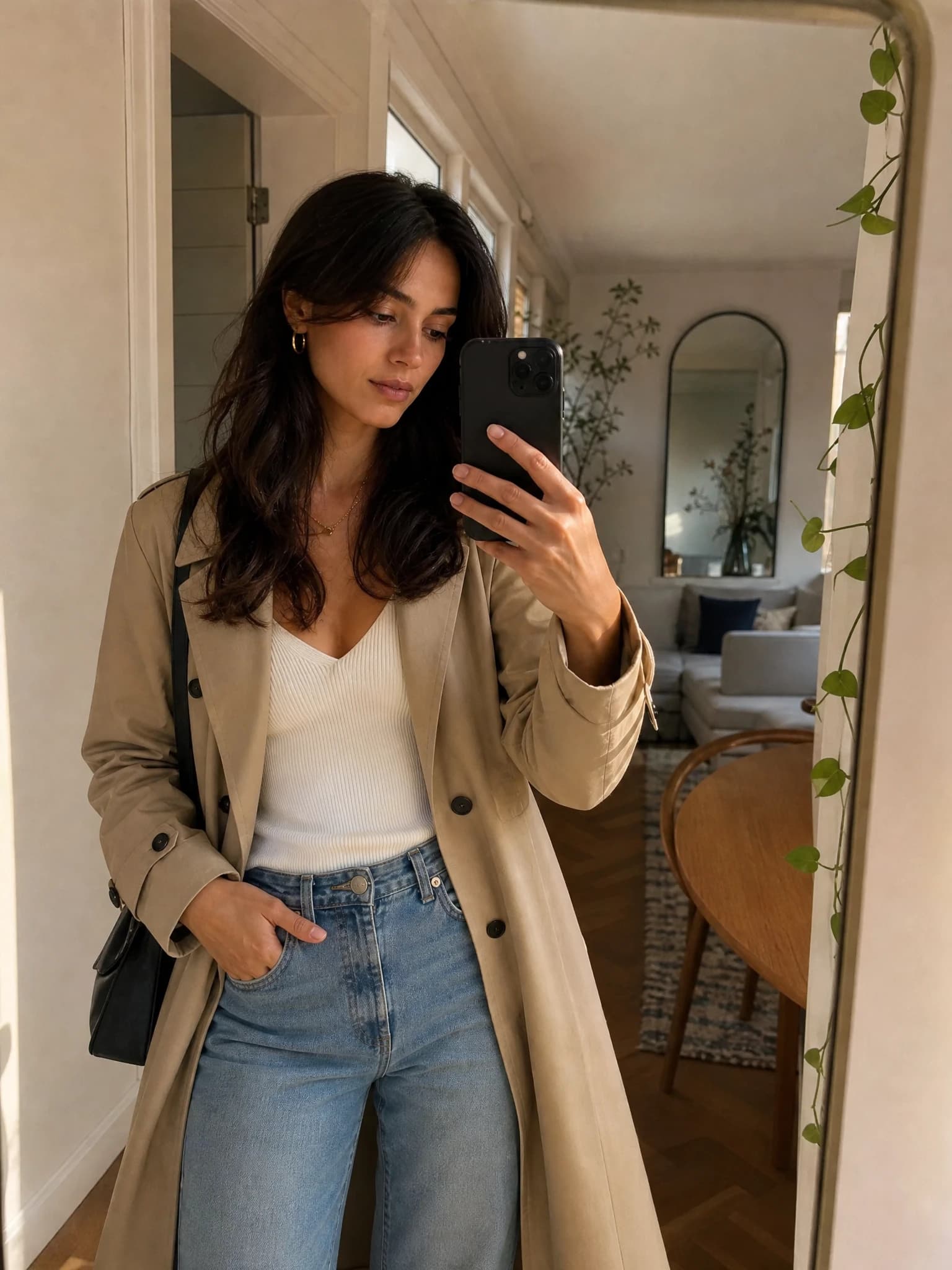
AI influencer campaigns are moving from experimental portraits to repeatable production systems. AI Influencer Generator gives agencies, brands, and marketing teams one practical place to build a fictional adult creator, make campaign photos and short videos, and carry approved ideas into social formats.
People remain responsible for strategy, review, publishing, and performance.
A production workspace, not a managed influencer agency
A traditional influencer agency may discover human creators, negotiate contracts, coordinate outreach, process payments, monitor posts, and report attribution. AI Influencer Generator does not perform those services.
Its role is narrower and more useful for owned virtual creators: establish a reusable identity, produce reviewable photos and short videos, keep results in Assets, and return to prior tasks through History. Campaign strategy, copy approval, client communication, scheduling, comments, analytics, and media buying remain with your team and its existing systems.
This distinction matters. A scalable creative process is not the same thing as an automated agency. The platform helps reduce repeated production setup without pretending software can replace brand judgment or accountability.
One system, three different operating needs
The value is not a polished face by itself. It is a recognizable character connected to a clear campaign purpose, review standard, and publishing handoff.
| Team | Primary job | Human decision |
|---|---|---|
| Creative agency | Develop several client-ready virtual creator directions and campaign assets. | Protect the brief, rights, approvals, and separation between clients. |
| Brand team | Build an owned fictional creator around one audience, product category, and brand voice. | Approve claims, positioning, disclosure, and final channel use. |
| Marketing team | Turn approved concepts into recurring photos, video drafts, UGC concepts, and social variations. | Choose what ships, schedule it, respond to audiences, and measure results. |
From virtual creator to reviewable campaign system
A strong operating model keeps identity, production, review, and distribution separate enough to inspect. Each generation should have one visual job and one approval decision.
- 01
Create the virtual influencer
Choose a fictional adult direction, build or save the character, and document the persona before campaign production begins.
- 02
Generate campaign photos
Reuse the approved character for product moments, lifestyle scenes, launch assets, and channel-specific crops.
- 03
Create video and UGC drafts
Turn one focused action and approved message into a short, reviewable vertical video rather than asking for an entire campaign in one generation.
- 04
Adapt social posts
Prepare distinct visual formats for Instagram and other channels while keeping the same campaign idea and recognizable identity.
- 05
Review, organize, and scale
Name assets, separate clients and concepts, approve each result, then repeat the workflow with other saved characters or campaign angles.

Treat the character like a brand asset
A reusable influencer begins with more than face consistency. Document the apparent adult age, facial structure, hair, signature styling, audience, niche, tone, visual environment, camera language, content promise, and disclosure wording. Those anchors make each brief easier to evaluate.
- Lock identity traits that make the creator recognizable.
- Define a wardrobe world, not one repeated outfit.
- Keep camera and lighting choices appropriate to the channel.
- Vary the product moment, location, hook, and audience angle.
- Review every output instead of assuming saved identity means perfect consistency.
Use the Consistent Character Generator to understand the reusable-character workflow before producing a larger campaign.
Generate the campaign photo around one visible moment
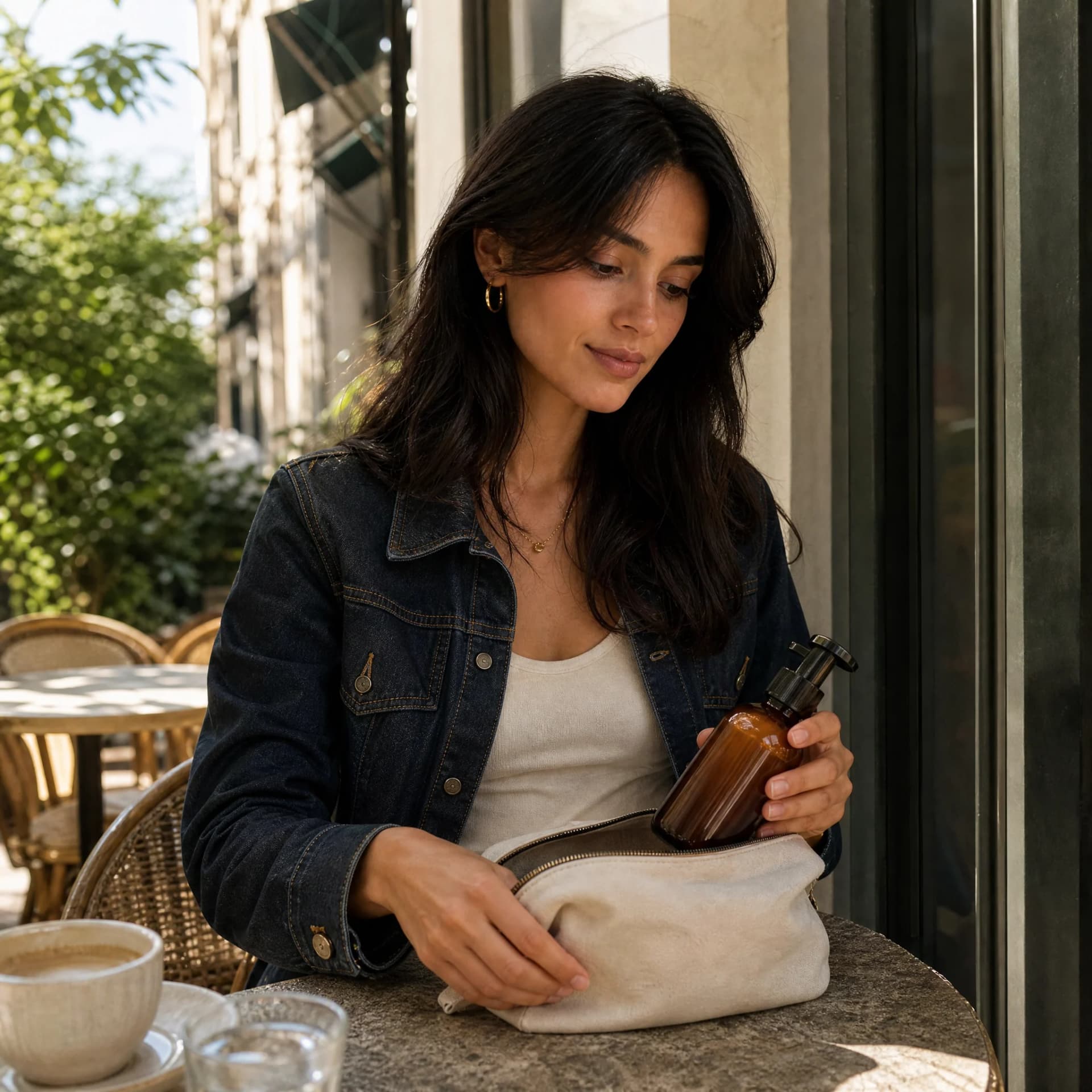
The first campaign output should prove that the person, product, action, and setting can belong together. Here, the approved fictional creator moves into a casual kitchen product moment. The scene changes while the identity direction remains recognizable.
For lifestyle scenes, product posts, headshots, outfit content, and launch visuals, use a short brief with one action, one environment, one audience need, and only claims the brand has approved. The AI Influencer Image Generator supports this production step.
Move from still direction to short video and UGC drafts
Short-form video works best when the generation has one action to solve: reveal, pick up, apply, open, pour, demonstrate, or react. A simple sequence is easier to review than a crowded script with several products and camera moves.
This five-second draft uses the campaign photo as its visual source. Teams should still check face stability, hands, product geometry, contact, motion, background, and the relationship between the action and any planned copy. Continue through the AI Influencer Video Generator or plan a creator-led product moment with the AI UGC Video Generator.
Adapt the campaign idea, not just the crop
A social post should preserve the campaign identity while giving the channel a distinct visual beat. Change the location, action, crop, and energy without turning the creator into a different person or repeating the same frame everywhere.
The AI Instagram Post Generator supports image-led social concepts. Caption writing, scheduling, community interaction, and performance analysis remain outside this visual workflow and should follow your brand’s normal review process.
Scale means repeatable decisions—not unchecked volume
Agencies can support several characters and campaign directions by keeping identity, client context, prompts, assets, and approvals organized. Create one task at a time, name outputs clearly, and change one important variable per iteration.
Identity
Character name, persona version, approved reference, audience and brand world.
Campaign
Client or product, objective, approved claims, format, due date and reviewer.
Asset
Task name, source, prompt version, output format, review status and publishing destination.
Characters, Assets, and History help retain identities and generated work. They are not a replacement for client folders, approval records, publishing calendars, analytics, or a campaign-management platform.
Keep human responsibility visible
Platform production
- Build or save fictional adult characters
- Create consistent photo variations
- Create short video and UGC drafts
- Keep generated results and task history
Agency or brand team
- Strategy, brief, voice, script, and claims
- Rights, product and brand approval
- Disclosure, scheduling, publishing and replies
- Analytics, attribution and campaign learning
Use the right workflow at each campaign stage
AI Influencer Generator is the central production layer, while each public tool page explains a specific input and output. Start with the character, then follow the campaign’s real deliverable rather than opening every tool at once.
Review before anything reaches an audience
Check identity consistency, face and hands, product accuracy, packaging, visible text, background logic, rights, approved claims, sponsorship context, and destination-platform rules. Synthetic creators must not be presented as real customers or given invented personal experience.
For U.S.-facing endorsements, review the FTC disclosure guidance. Meta explains its AI-generated content labels, TikTok documents AI-generated content rules, and C2PA Content Credentials can support provenance.
Review the site’s AI disclosure guidance and commercial-use terms before campaign work.
Questions from agency and brand teams
What is an AI influencer agency?
An AI influencer agency plans and produces campaigns around virtual creators. The work can include persona strategy, reusable character identity, campaign photos, short videos, UGC-style drafts, social adaptations, review, disclosure, and publishing handoff. AI Influencer Generator supports the creative production layer rather than operating as a managed agency service.
Is AI Influencer Generator a traditional influencer agency?
No. It does not recruit human creators, negotiate contracts, handle outreach or payments, publish campaigns, or report attribution. It provides a workspace for building fictional adult creators and producing reviewable photos and short videos.
Can an agency create more than one virtual influencer?
Yes. Teams can save multiple fictional adult characters and create separate content directions for each. Naming, client organization, approvals, publishing calendars, and campaign reporting remain human responsibilities or belong in external project tools.
Which campaign assets can teams create?
Available workflows cover reusable characters, consistent photos, influencer videos, UGC-style video drafts, Instagram-oriented images, random fictional adult faces, and editable social templates. Exact inputs, settings, and credit quotes are shown in Studio before submission.
Does AI influencer content need human review and disclosure?
Yes. Review identity, anatomy, product accuracy, rights, claims, brand safety, sponsorship context, and destination-platform labeling before publishing. A fictional creator must not be presented as a real customer with invented experience.
Start with one creator and one campaign direction.
Build the fictional adult identity first, then create photos and short videos one reviewable task at a time.
Plan Content
Measure Engagement
Build Your Profile
Price Your Work
Write Post Copy
Brand Partnerships