
AI Selfie Generator for a Reusable AI Influencer
Create a social selfie scene with a saved fictional adult creator, then review the result before it becomes part of a series.
Create an AI influencer selfie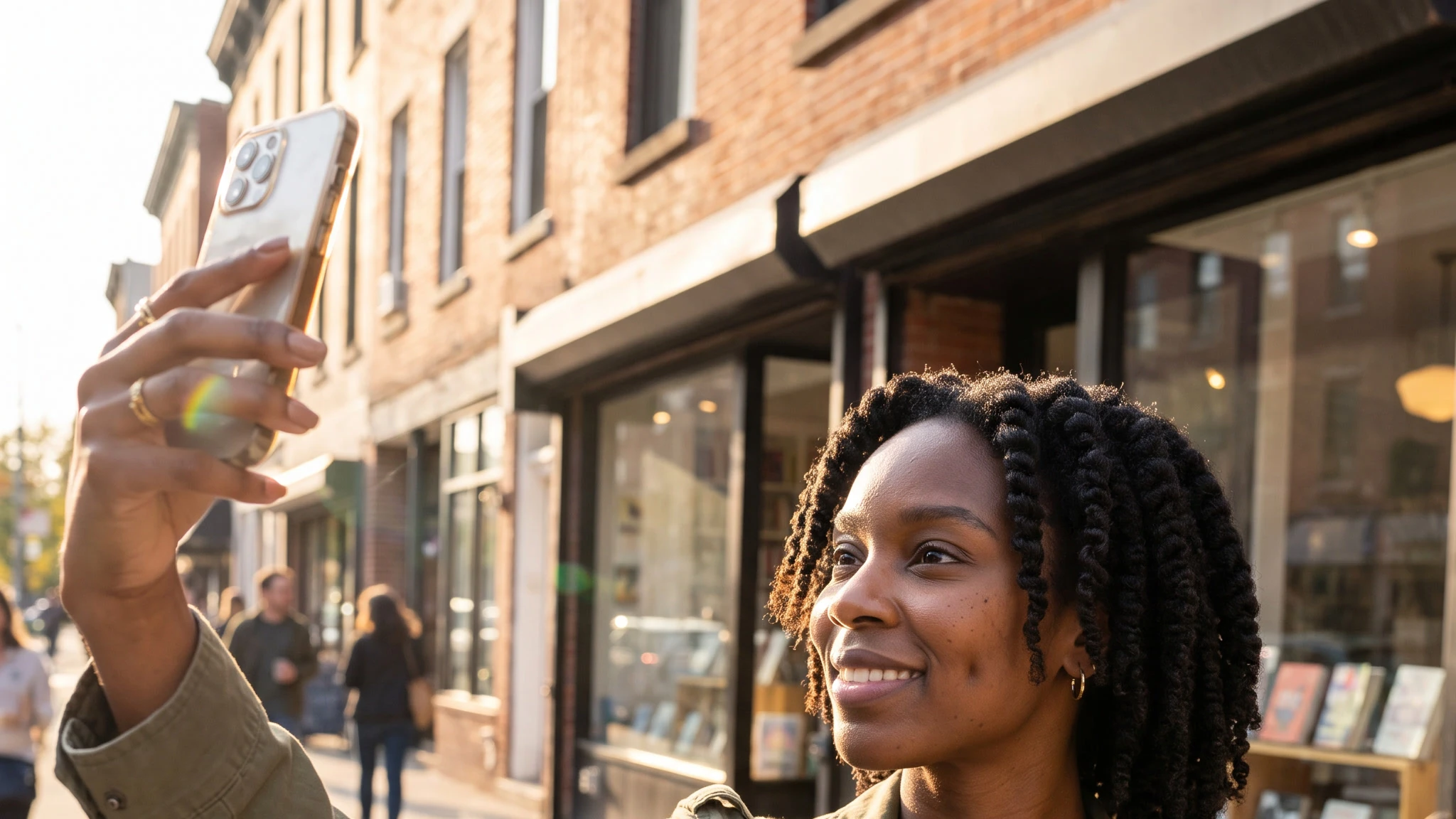
AI selfie generators are moving beyond one-off profile pictures and into consistent AI character creation for creators, marketers, and brands. With the right workflow, an AI selfie generator can help you build a reusable digital persona that appears across polished photos, campaign visuals, and short-form video concepts without starting from scratch every time.
The AI Influencer Generator is built for that shift. It helps you create reusable AI influencers and turn a clear character idea into visual content you can adapt for social posts, product storytelling, creator concepts, and marketing campaigns.
One selfie vs. a reusable influencer
An AI selfie generator can create stylized or realistic portraits from prompts, reference images, or character inputs, but its real value appears when a saved character direction can be reused across multiple pieces of content. Instead of generating a random new look for every post, consistent AI character creation lets you develop a recognizable persona with repeatable visual traits, wardrobe direction, expressions, and content themes. Individual results can still vary and should be reviewed.
That consistency matters because audiences remember people before they remember formats. A recurring AI character can become the face of a niche, a campaign, a brand voice, or a creative series. For marketers, it can reduce the friction of producing concept visuals. For creators, it can make a fictional influencer, avatar, or recurring character feel intentional rather than accidental.
A strong ai generator selfie workflow usually starts with a clear creative brief. You define who the character is, how they should look, what kind of content they appear in, and which details should stay the same. The AI Influencer Generator fits naturally into this process by giving creators and teams a practical way to build an AI influencer once, then keep using that persona for photos and later short-form video concepts.
Find your direction
Pick a selfie scene with a natural purpose
Why recognizable characters matter
Early AI selfie tools were often used for novelty: a fantasy portrait, a professional-looking headshot, or a stylized avatar. The future of AI selfie generation is more strategic. The best use cases are not just about creating a good image; they are about creating a character that can keep showing up.
Reusable AI influencers make that possible. A creator can build a fashion-focused AI persona and generate lifestyle photos around seasonal themes. A marketer can create a brand-friendly digital spokesperson for product teasers, awareness campaigns, or social experiments. A founder can test different visual identities for a product before investing in a full shoot.
From novelty to a content system
Treat a character direction as a living creative brief. It supports connected decisions while leaving room for scene, pose, light, and mood to change.
The AI Influencer Generator supports this direction by focusing on repeatability. When your AI character has a stable look and clear role, each new selfie, scene, or later short-form video asset feels like part of the same world. That gives your content more cohesion, especially when you are posting across platforms where people scroll quickly and visual recognition matters.
This does not mean every brand needs a synthetic spokesperson. It means creators and marketers now have more flexible ways to prototype, plan, and publish visual ideas. A consistent AI character can support a campaign, help explain a concept, or become a creative asset that evolves over time.
Define the character boundaries
A memorable AI selfie starts with more than a face. It needs creative boundaries. If every image changes the character’s age, style, setting, and expression, the audience sees disconnected pictures rather than a believable persona. Consistency gives the character a visual identity.
Before creating your first set of AI selfies, define the basics:
- Core appearance
- facial features, hair, age range, general style, and any distinctive visual traits.
- Personality cues
- confident, playful, luxury-focused, minimalist, adventurous, educational, or relatable.
- Content niche
- beauty, fitness, travel, tech, fashion, wellness, gaming, business, or entertainment.
- Visual world
- studio portraits, street-style shots, product scenes, creator-style selfies, or lifestyle environments.
- Reusable rules
- what should stay consistent, what can change, and what should never appear.
These choices make the AI selfie generator easier to guide. They also help you avoid a common problem: generating attractive images that do not connect to a larger content strategy. When the character has a clear role, every image has a purpose.
The AI Influencer Generator is especially useful here because it is designed around the idea of a reusable AI influencer. You are not just making a single portrait. You are shaping a digital character that can appear in different settings while still feeling recognizable.
Eight AI influencer selfie templates
Each direction starts from one saved fictional adult character in Studio. Choose a scene, adjust the wording, select the image settings, and review every result.
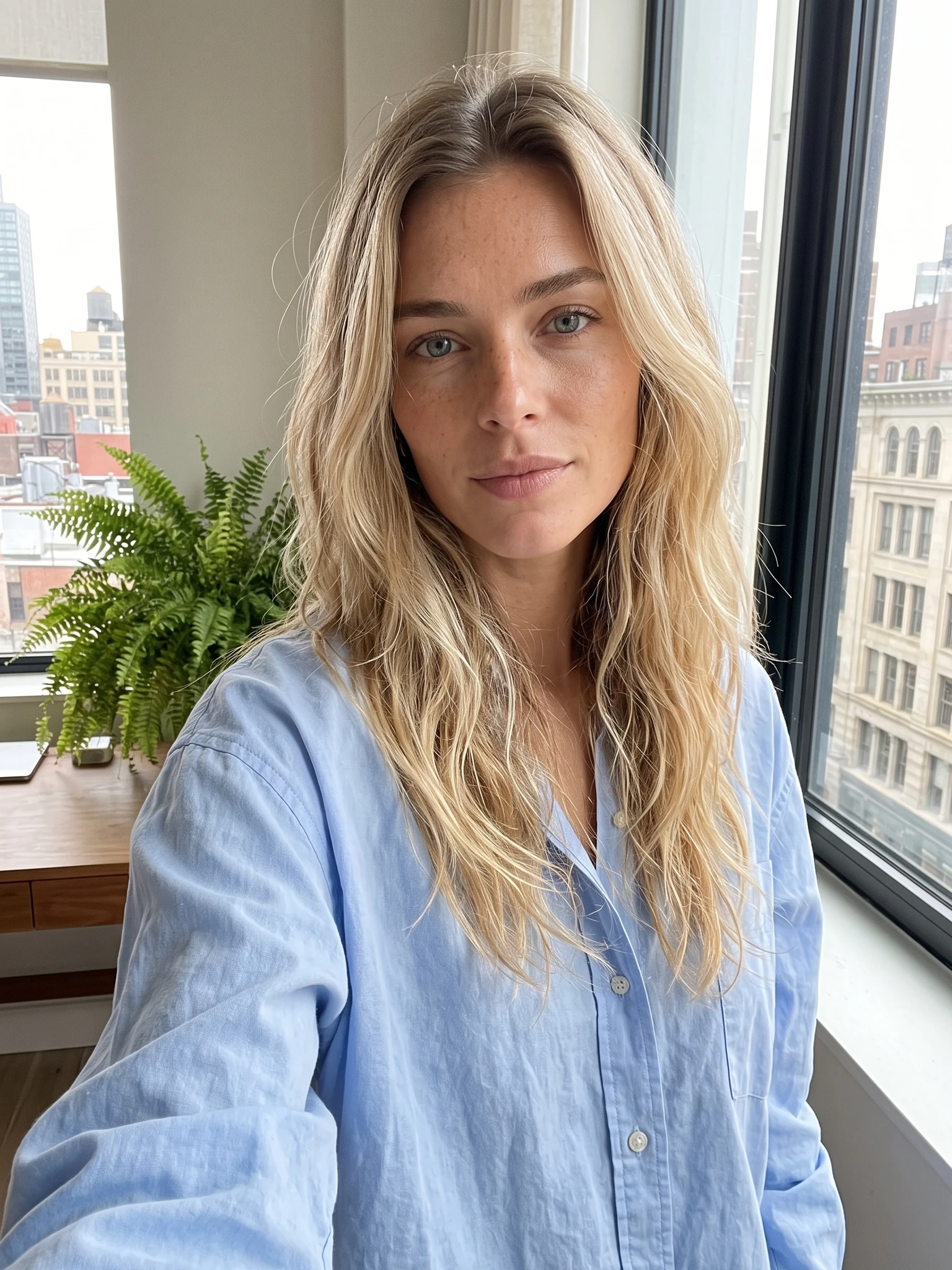
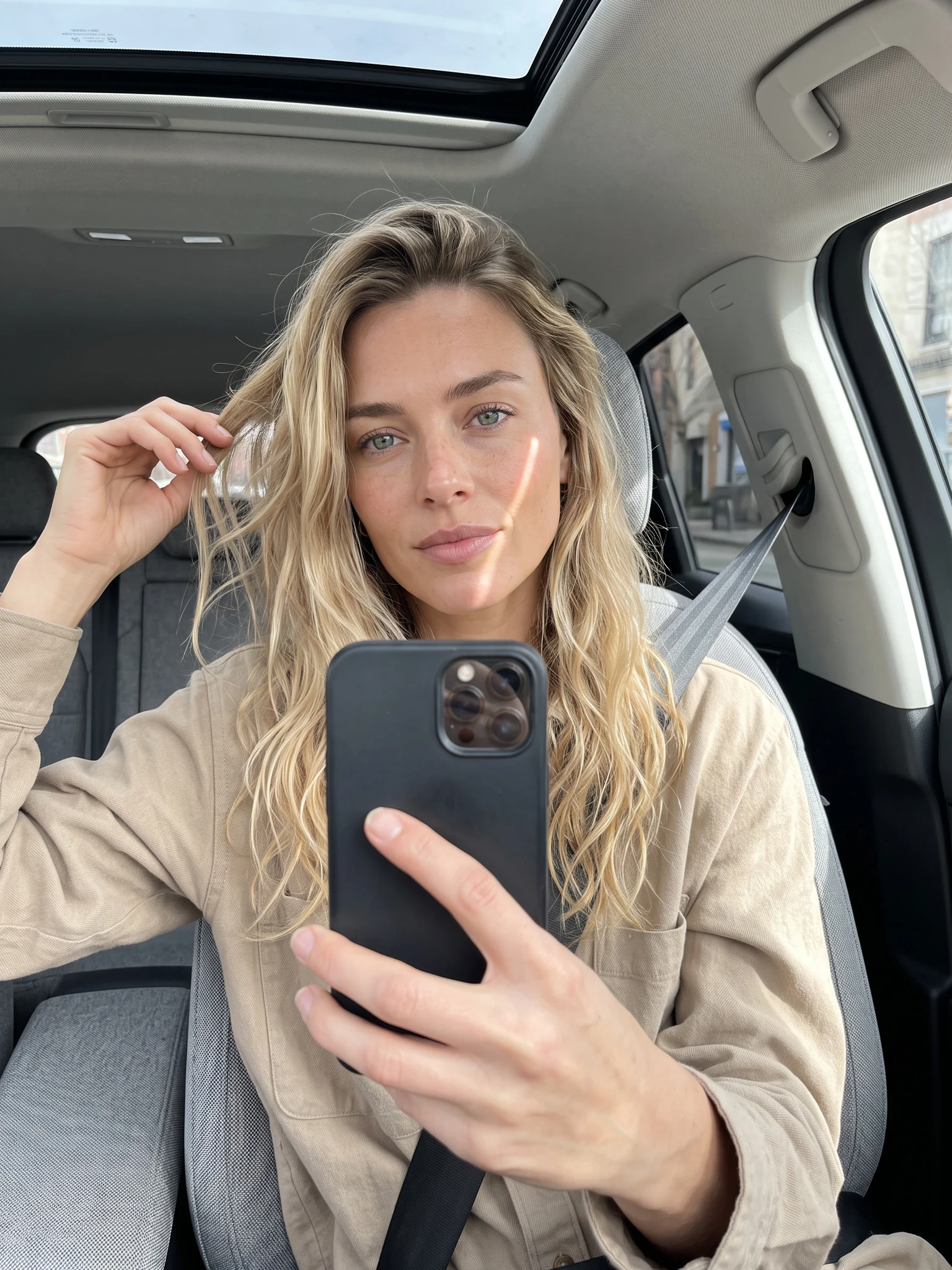
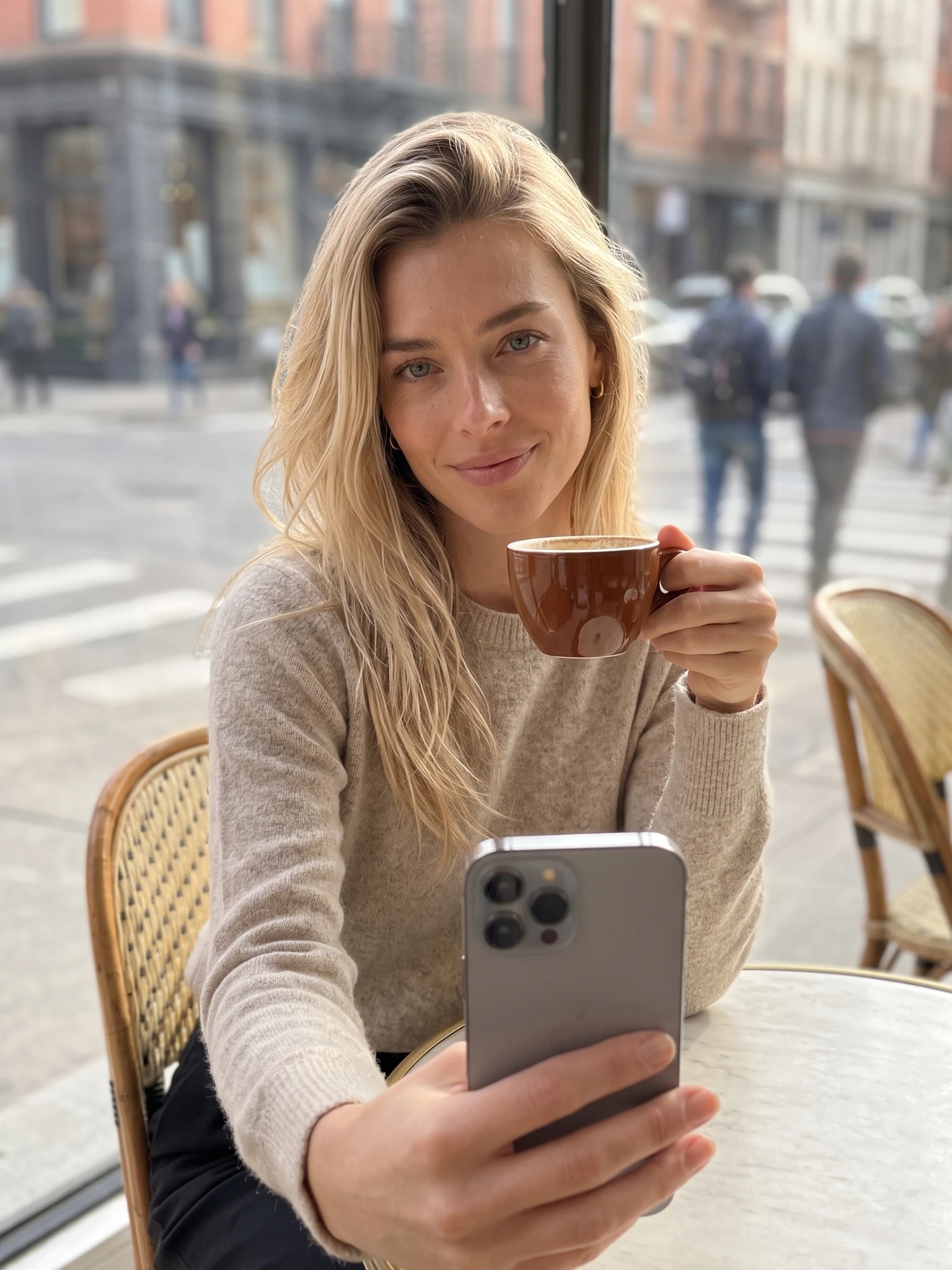
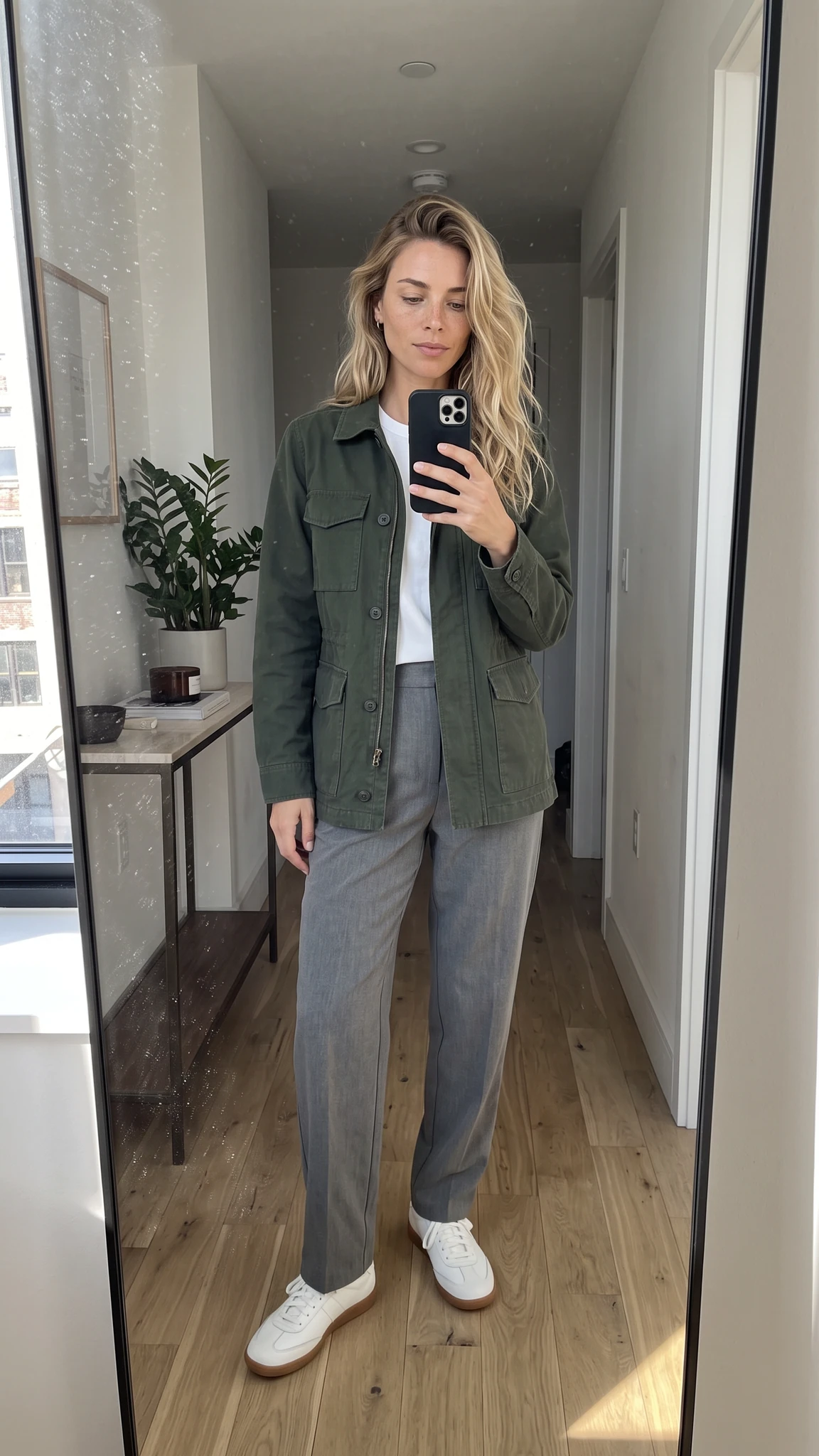
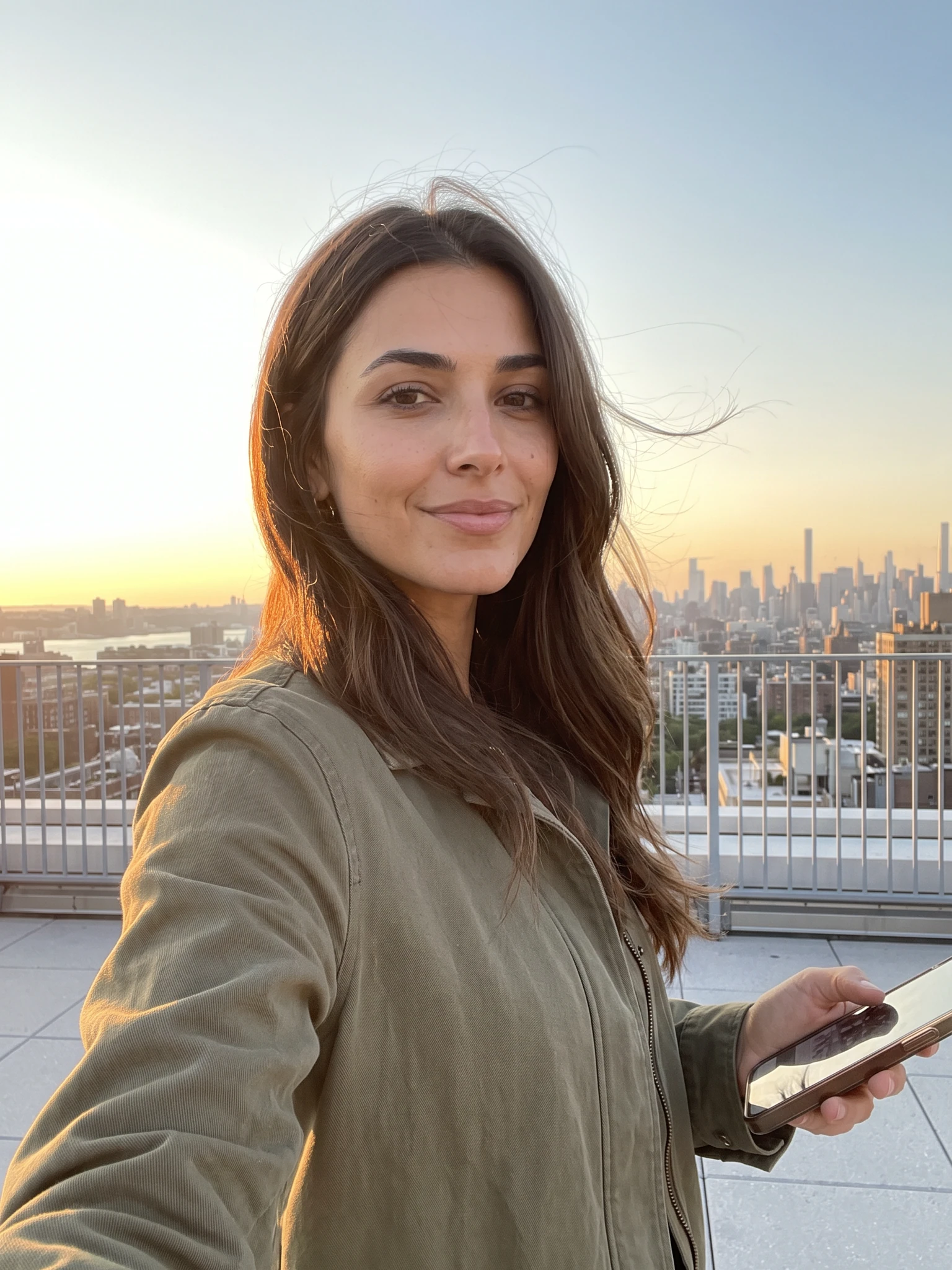
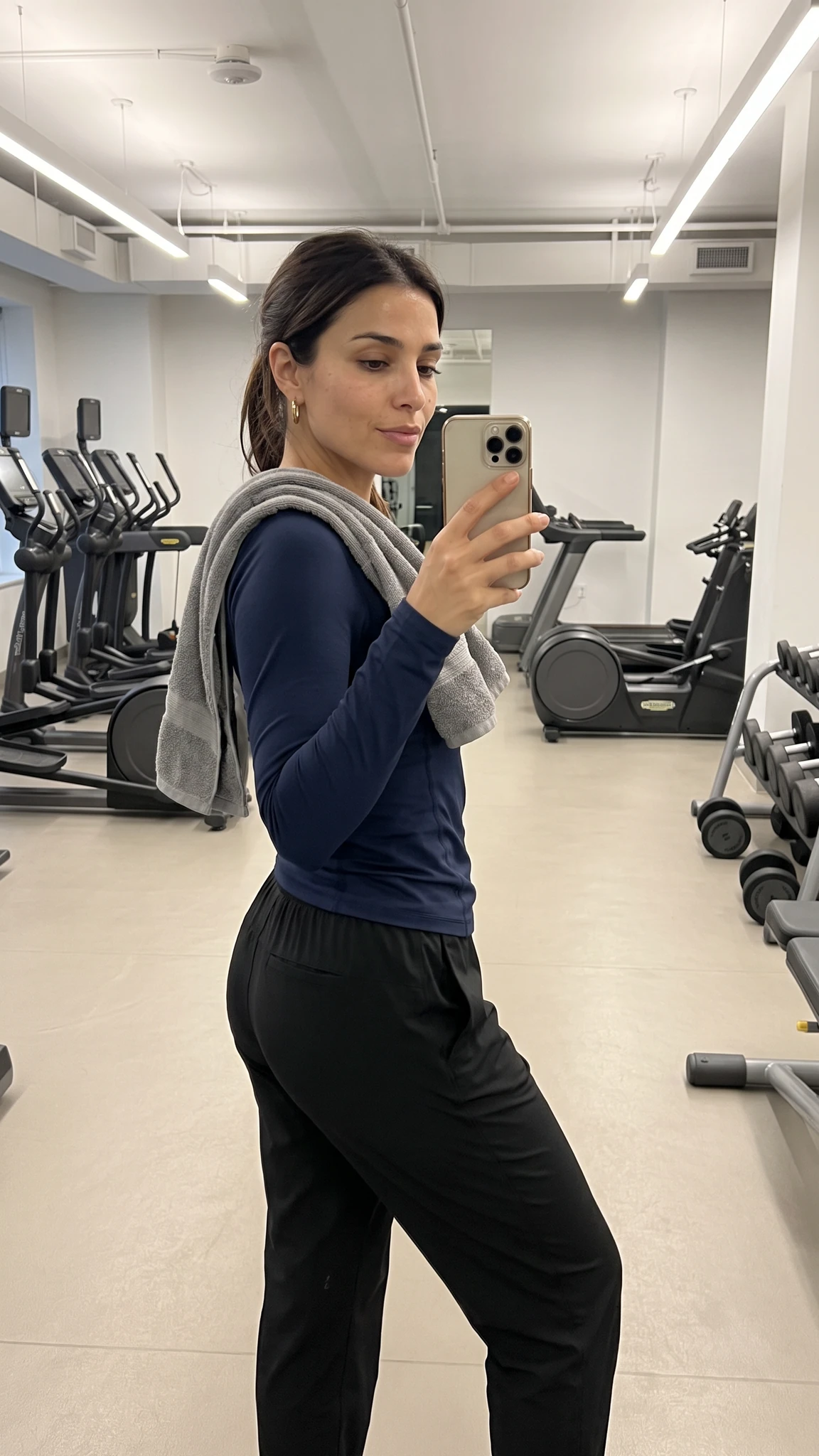
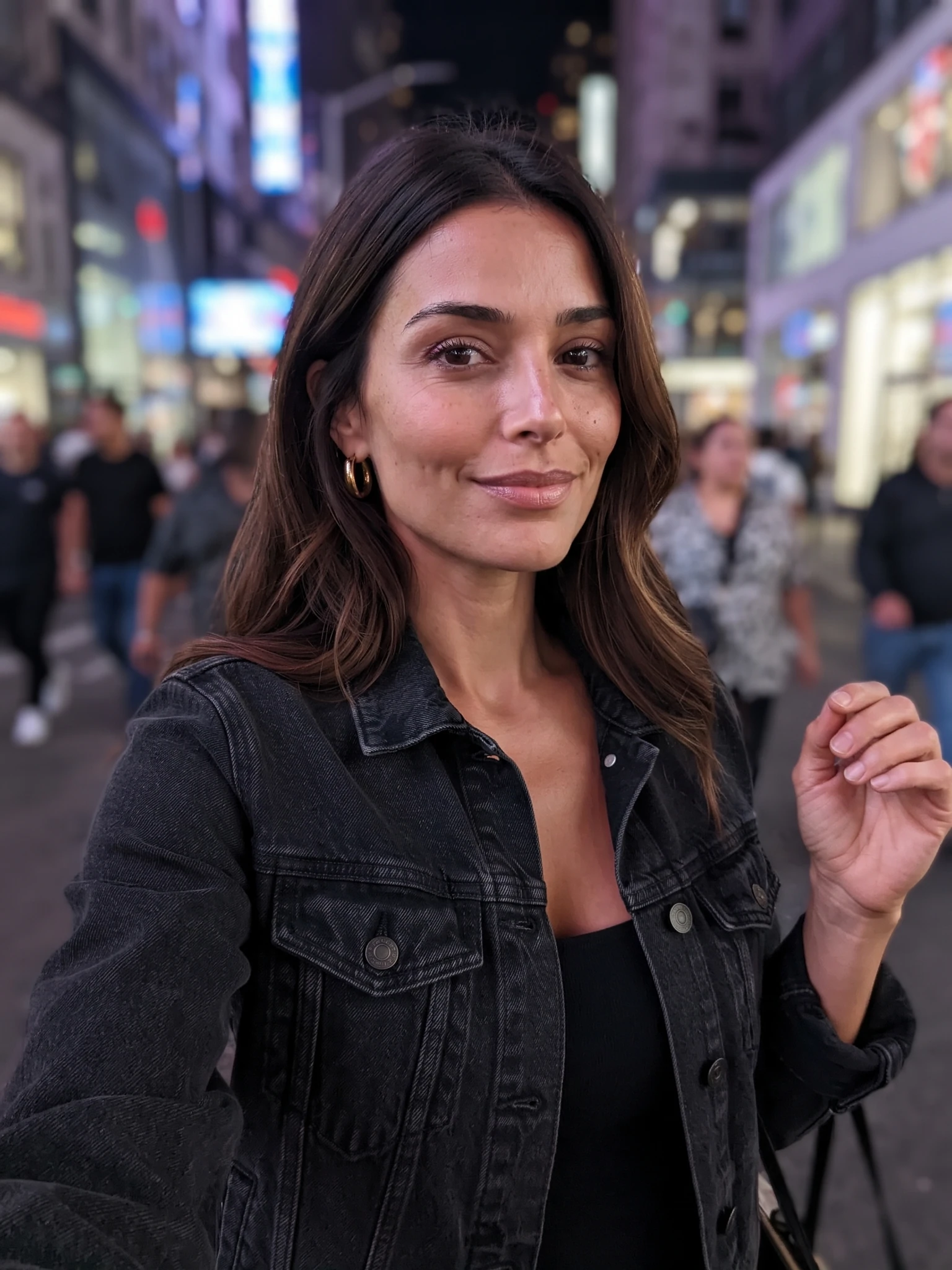
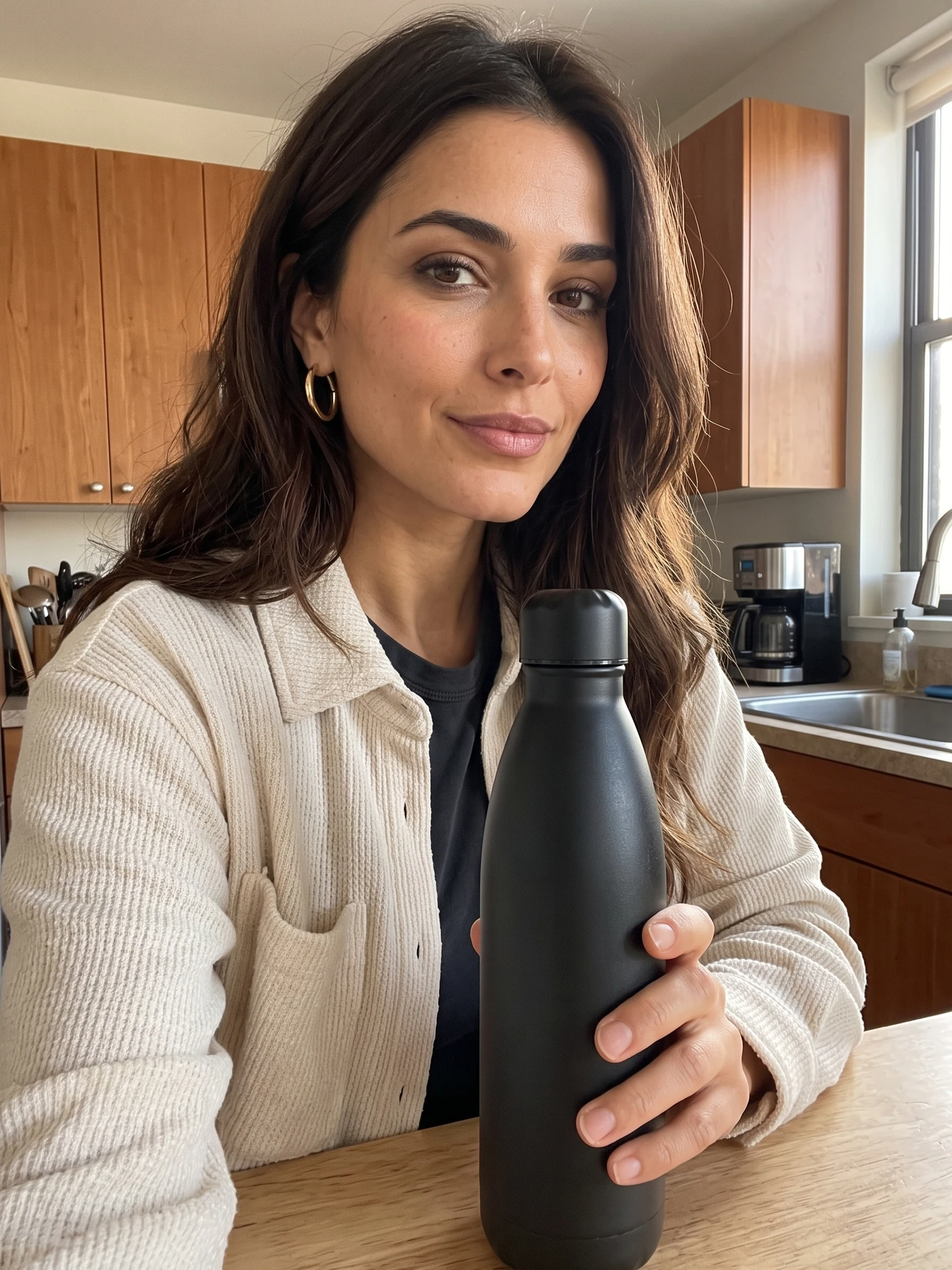
Explore eight real examples with different crops, phone angles, light sources, outfits, and environments.
Creator uses
For creators, AI selfie generators open up new formats without requiring a full production setup. A creator can build an alternate persona, test a new niche, design a fictional character for storytelling, or produce visual assets for content calendars. The key is to use the tool as part of a creative system rather than as a random image machine.
Creators can use the AI Influencer Generator to:
- 01
Develop a fictional influencer: create a persona with a specific aesthetic, niche, and tone for ongoing social content.
- 02
Plan photo concepts before shooting: test poses, outfits, and backgrounds before investing time in real-world production.
- 03
Create supporting characters: build recurring faces for skits, visual stories, educational posts, or entertainment channels.
- 04
Refresh content themes: generate new selfie-style visuals for holidays, trends, launches, or seasonal content ideas.
- 05
Plan short-form video concepts: use the AI influencer as a visual anchor, then move into the separate AI Influencer Video workflow for a motion draft.
A beauty creator, for example, could build an AI character with a polished editorial look and use that persona to test makeup themes, mood boards, and product-inspired visuals. A comedy creator might create an exaggerated digital personality for recurring sketches. A niche educator could use a friendly AI avatar to make posts feel more personal while keeping production simple.
What free tools do and do not prove
An ai selfie generator free option may be enough for casual experiments, but creators who want continuity usually need a more intentional tool and workflow. Consistent characters depend on repeatable inputs, clear direction, and a system for evolving the persona without losing its identity.
Studio shows the current credit estimate before you submit. This page does not promise free generation, a fixed price, or an exact match from one selfie to the next.
Marketing uses
Marketers often need visuals before they know which idea is worth scaling. AI selfie generation can help teams move from abstract campaign concepts to tangible creative directions. Instead of waiting for a full shoot, a team can explore character-led concepts, social angles, and influencer-style assets quickly.
The AI Influencer Generator can support marketing work such as:
- 01
Campaign prototyping: visualize different spokesperson styles, audience segments, and creative moods before production.
- 02
Social content planning: create a consistent AI persona for recurring posts, themed launches, or educational explainers.
- 03
Product storytelling: place a digital character in scenes that demonstrate mood, lifestyle, use case, or aspiration.
- 04
Short-form video ideation: build reusable visual concepts for vertical video intros, hooks, and branded moments.
- 05
Brand testing: compare different character directions before deciding which visual identity fits the audience.
For a consumer brand, a reusable AI influencer could help present different product categories in a familiar voice. For a startup, it could make early campaign ideas easier to pitch internally. For an agency, it can speed up concept development by turning written creative ideas into visual samples clients can understand.
The benefit is not replacing strategy. The benefit is making strategy easier to see. When a marketer can show what a character-led campaign might look like, feedback becomes more specific and decisions become easier.
One influencer, four scenes
The four creator-01 previews in the template gallery move through a quiet room, a parked car, a café, and a mirror fit check. Together they show a saved creator direction carried through multiple scenarios—not a promise that every later result will be identical.
- Window check-in
- Soft light and a close phone crop keep the scene quiet.
- Passenger seat
- A simple change in setting and daylight shifts the mood.
- Café pause
- A table, cup, and street depth make the frame feel lived-in.
- Mirror fit check
- A full-length angle changes the framing without changing the planned character direction.
Six-step Studio workflow
The strongest AI-generated selfies usually come from a repeatable process. Treat your AI character like a brand asset, not a disposable image prompt. That shift will improve the quality and usefulness of every output.
Use this workflow to get started:
- 01
Define the persona. Write a short description of the character’s appearance, niche, personality, and role.
- 02
Choose the content goal. Decide whether you need profile images, lifestyle photos, product visuals, or short-form video assets.
- 03
Create a reference direction. Keep notes on the style, lighting, outfits, and expressions that should repeat.
- 04
Generate variations. Explore different scenes while keeping the same core character direction in view.
- 05
Select and organize. Save the best outputs by theme so you can reuse them in campaigns or content calendars.
- 06
Refine over time. Adjust the persona based on what looks consistent, on-brand, and useful for your audience.
This workflow works whether you are experimenting with an ai selfie generator free tool or building a more complete AI influencer strategy. The difference is intention. The more clearly you define the character, the easier it becomes to produce images and videos that feel connected.
Before you begin
Bring your direction into Studio
- An original identity
- A setting
- A crop
Studio handoff and FAQ
AI-generated selfies are becoming part of a larger content production system. Creators need recognizable characters. Marketers need flexible campaign assets. Brands need visuals that can adapt across social platforms, landing pages, ads, and short-form videos without losing coherence.
The AI Influencer Generator brings these needs together by helping you create a reusable AI influencer that can support both photos and short-form video ideas. It gives you a practical way to explore character-led content, test visual directions, and build a persona that can grow with your campaigns.
If you are only making one image, almost any ai selfie generator can feel useful. If you want a recognizable digital character that appears again and again, you need a workflow built around consistency. That is where the future of AI selfie generators is heading: from isolated outputs to reusable visual identities.
Your next campaign, creator series, or social concept does not have to begin with a blank page. Build a character, define the visual world, and create AI selfies that feel connected from the first post to the next.
Try the AI Influencer Generator today to create reusable AI influencers, generate photos, and explore short-form video content built around a consistent digital character.
AI Selfie Generator FAQs
What is an AI selfie generator?
It is a workflow for creating selfie-style images from a written direction. This page uses a saved fictional adult creator so you can test multiple social scenes around one character direction.
Can I create selfies with the same AI influencer?
Yes. Choose a saved fictional adult creator, then create new selfie scenes around that approved character direction. Review every result because generated details can still vary.
What do I need to generate an AI influencer selfie?
You need a saved fictional adult creator, a clear scene or template direction, and a chosen image ratio. If you begin with an authorized real photo, save it through the character-creation workflow first.
Can I use one of the eight selfie templates?
Yes. Each template opens the same saved-character Studio workflow with a scene prompt you can adjust before generation.
Will the AI influencer look exactly the same in every selfie?
No. A saved character direction helps guide a series, but image generation can still vary. Review identity, hands, clothing, background, and final crop before use.
Is the AI selfie generator free?
Studio shows the current credit estimate before you submit. This page does not promise free generation.
Can I use a real person’s photo?
Only use a real adult photo when you have permission and rights to use the image and likeness. Save it through the character-creation workflow before using this selfie path.
Can I turn the same AI influencer into videos?
Yes, after you approve a still-image direction, use the separate AI Influencer Video workflow for a short video concept. This selfie route creates images only.
Can AI-generated influencer selfies be used commercially?
Review rights, likeness permission, product claims, platform rules, and any required AI disclosure before commercial publication.
Start with one saved character and one clear selfie direction
Choose a template, adapt the scene, and continue to the Studio workflow when you are ready to review a new image.
Plan Content
Measure Engagement
Build Your Profile
Price Your Work
Write Post Copy
Brand Partnerships