Kling Motion Control AI Video
Keep your creator. Borrow the movement. Combine an authorized motion-reference video with a saved adult character to guide a new performance.
Open in Studio →Model selected for you. Review the credit quote before generating.
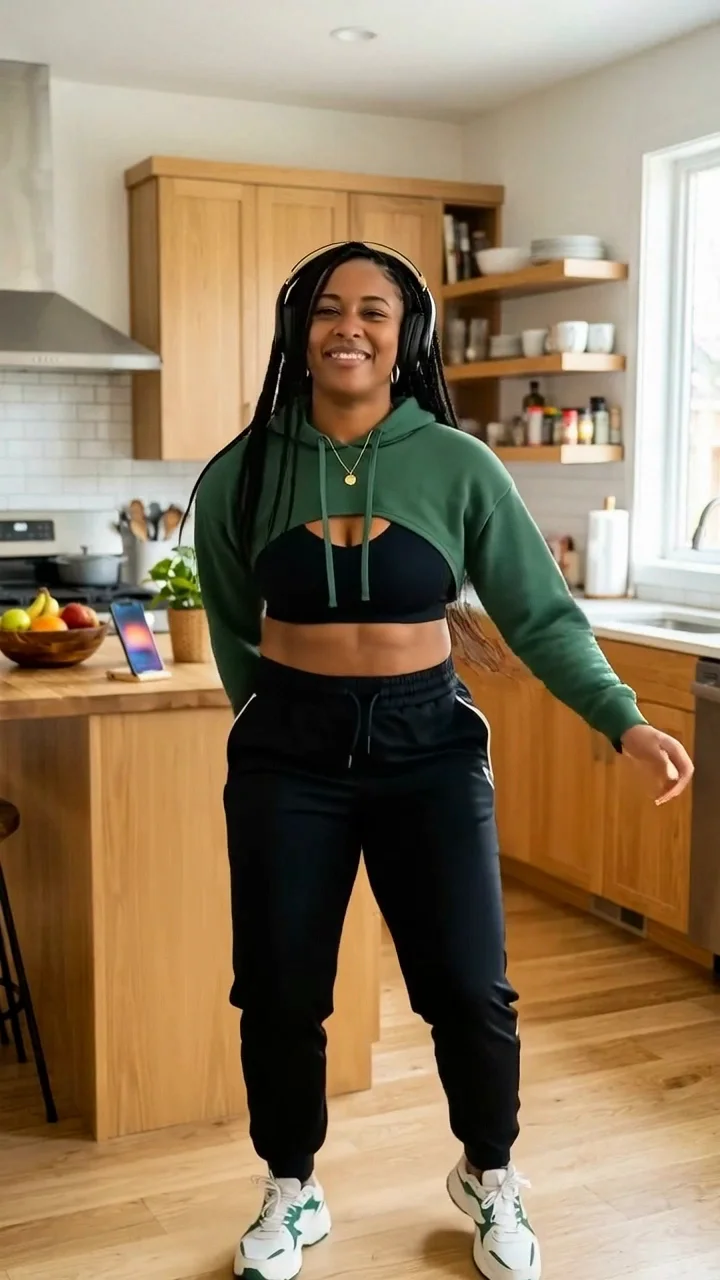
Reference-driven dance
Use movement as the reference
Supply a video with a clear subject and a readable action, rather than describing every pose in text.
Keep a saved identity
Choose an approved creator image with framing suited to the movement.
Control a focused performance
Match the motion brief to the source framing and review the entire generated sequence.
Make the idea your own
Adapt this example prompt in Studio. References are not attached automatically.
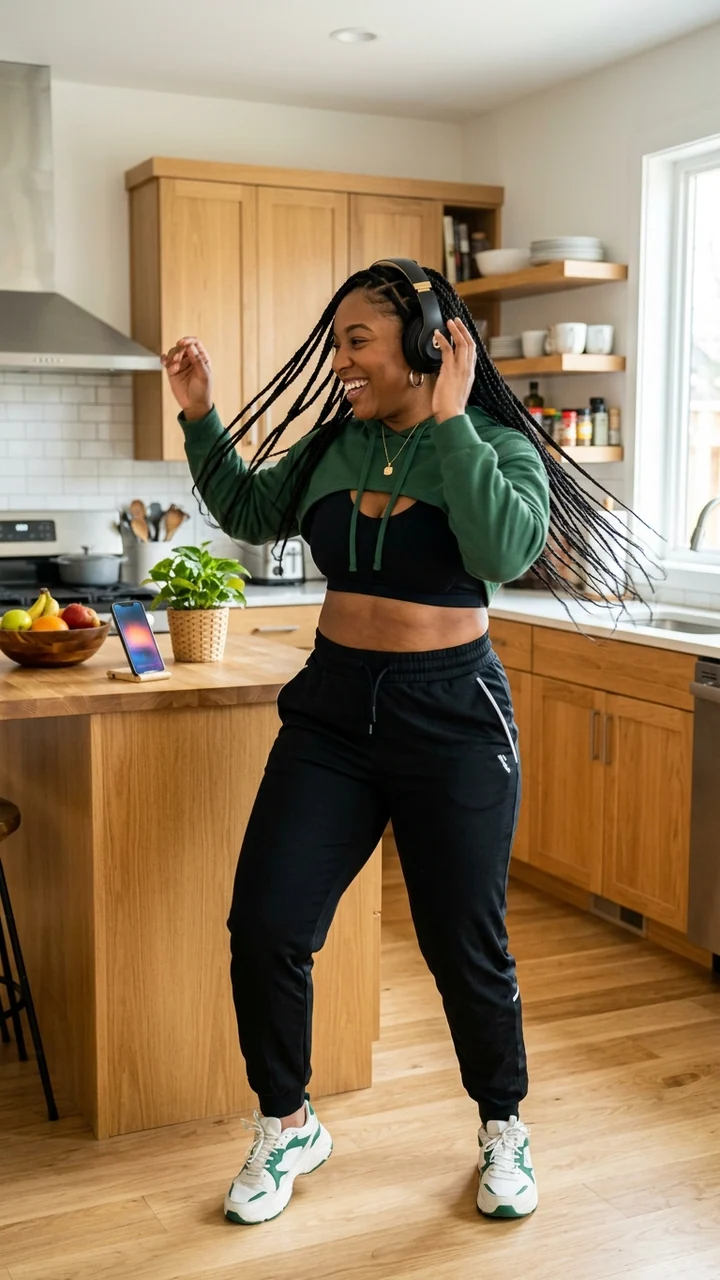
Where it fits
Dance drafts
Apply permitted choreography to a fictional adult creator.
Movement studies
Try one walk, turn or gesture around a saved identity.
Creator performances
Explore a repeatable movement direction for social video.
Before you generate
- You need permission to use the source image and movement-reference video.
- Fast movement, occlusion and mismatched framing can cause identity or anatomy errors.
- This page's recorded result used Kling 3.0 Motion Control. It is not evidence of a Kling 2.6 result.
Questions, answered
How is Motion Control different from image-to-video?
Image-to-video follows a text motion brief and a starting frame. Motion Control also uses a reference video to guide movement and timing.
Which Kling version made the example?
The displayed dance was generated through Kling 3.0 Motion Control. Studio may offer other motion models; their outputs should be evaluated separately.