Repeat the creator
Return to the same saved fictional adult character for another concept or campaign moment.
Choose a saved fictional creator, start from a real task or reference template, and generate a vertical fit check, product testimonial, Reel, TikTok, or Short without filming a new person.
Opens AI Influencer Video in Studio. Choose a saved character, then set the action, duration, and quality before generating.
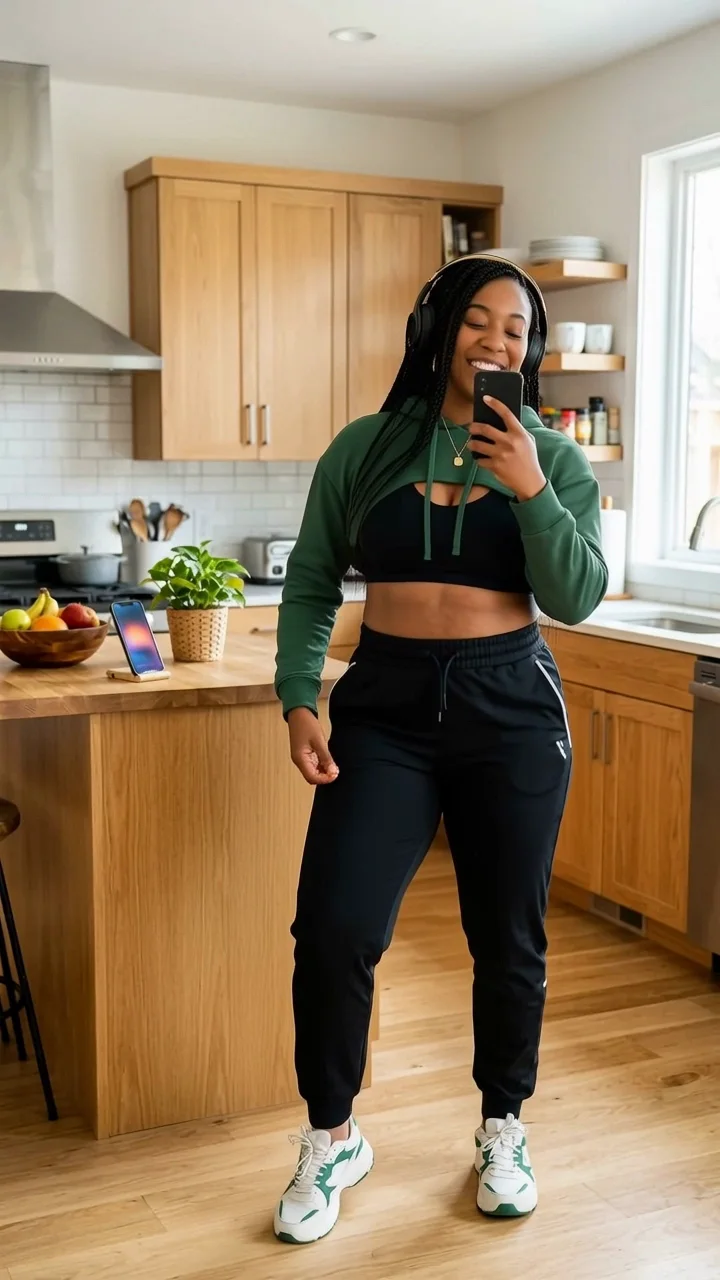
Workout fit check
Imani + OOTD task · reviewed Kie output
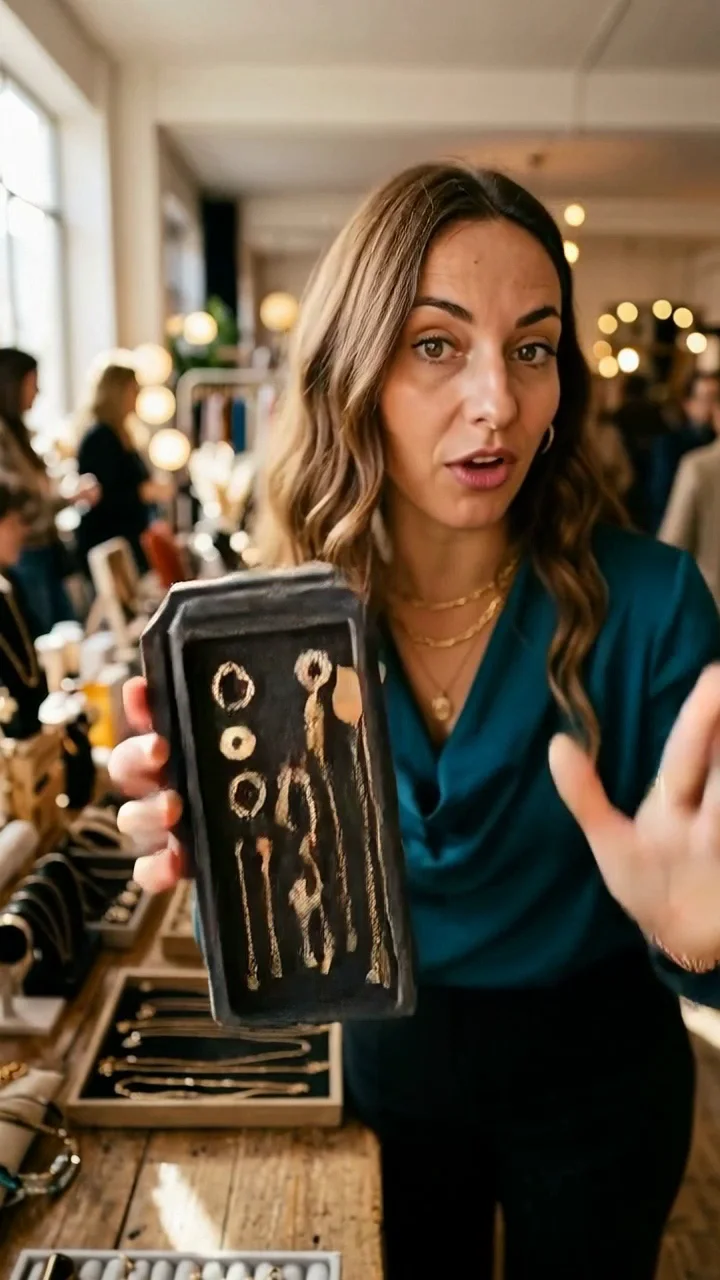
Jewelry testimonial
Valentina + product task · reviewed Kie output
50 starter characters
Choose a fictional adult suited to fashion, fitness, beauty, travel, education, products, or another creator niche.
250 video templates
Start from a concrete task such as a fit check, testimonial, product demo, hook, dance, or lifestyle update.
Reviewed 9:16 outputs
The hero videos were generated for these exact character-and-template pairs, then checked before publication.
AI influencers give brands a faster, more flexible way to produce social-ready video content without coordinating shoots, talent schedules, reshoots, or location logistics. With an AI Influencer Video Generator, marketing teams can turn campaign ideas into reviewable creator-video drafts for product launches, ads, explainers, tutorials, and creator-style posts. The result is a repeatable content workflow that supports influencer marketing ai strategies while keeping the message, look, and call to action aligned with your brand.
Return to the same saved fictional adult character for another concept or campaign moment.
A focused action gives the model a clearer target than a long script full of competing events.
Use duration and quality controls in Studio to match a quick social beat or a more deliberate shot.
Check face, hands, clothing, product contact, and background continuity before publishing.
The useful unit is not one impressive clip. It is a reusable character, a clearly scoped video task, and a review process that lets a team build the next post without inventing the creator again.
A saved fictional adult character anchors the visual identity. The next video can change the scene, outfit, or action while giving the workflow the same starting identity.
Use a fast draft for an early concept, a consistency-focused route when recognizability matters, motion transfer when the performance is already defined, or Talking when an existing clip needs owned audio.
Solo creators, brand social teams, and agencies can use the workflow to plan a short sequence of Reels, Shorts, product moments, or lifestyle posts around one recognizable virtual creator.
One visible action, a simple camera direction, and a clear setting make the intended result easier to review. Complex movement, heavy occlusion, or several competing events need more care before publishing.
The public page shows real outputs. Generation continues in the dedicated Studio workflow.
Select the fictional creator whose visual identity should anchor the video.
Write the subject, movement, setting, camera behavior, and mood in direct language.
Set duration and quality, generate the clip, then inspect every frame before reuse.
Each case is one real workflow. The character and authorized reference template are inputs; the third card is the new Kie-generated output—not a recycled clip from another page.
Task 01 · OOTD / fitness
Imani supplies the fictional identity and outfit. The gym template supplies the phone-led fit-check timing. The output combines both into one vertical social clip.
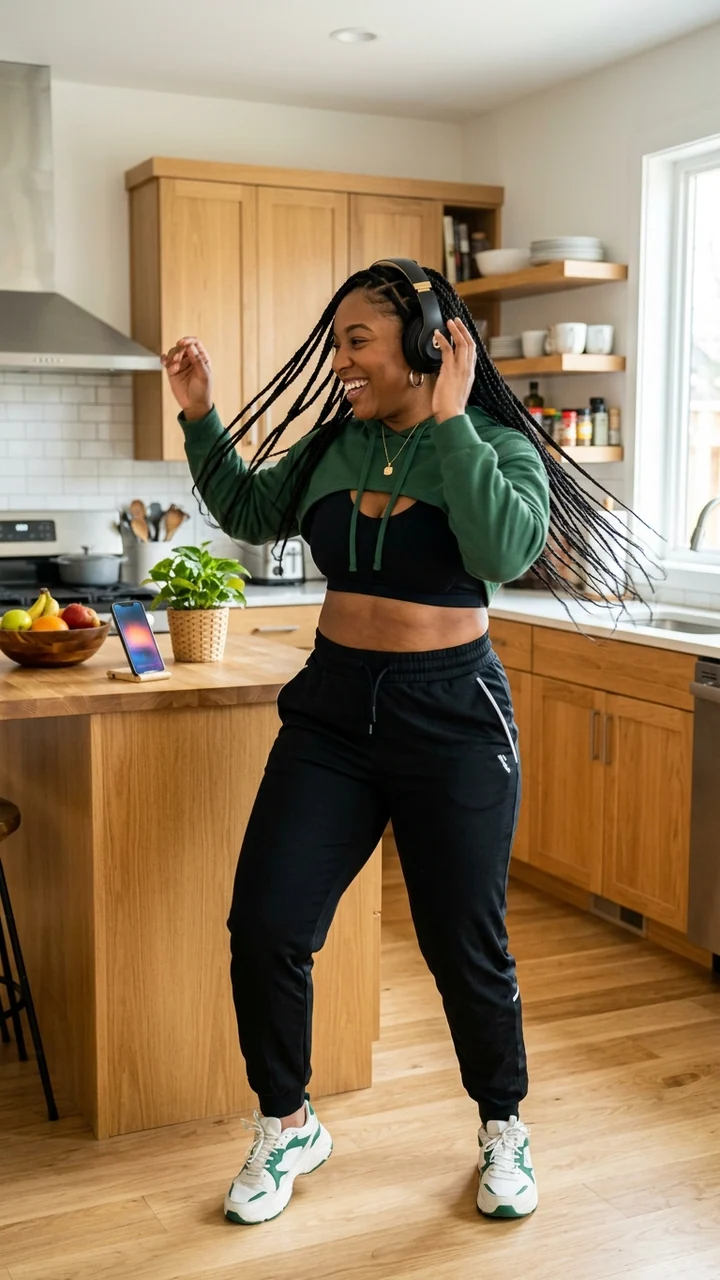
1 · Character
Imani Brooks · built-in fictional adult
2 · Task template
Workout OOTD · authorized reference
3 · Generated video
Reviewed Kie output · 720×1280
Task 02 · Product testimonial
Valentina supplies the identity, market setting, and jewelry tray. The testimonial template supplies the opening reaction, product cue, and presentation rhythm.

1 · Character
Valentina Rossi · built-in fictional adult
2 · Task template
Product testimonial · authorized reference
3 · Generated video
Reviewed Kie output · 720×1280
AI influencers can help you create consistent, campaign-ready video content for the moments when traditional production is too slow, too expensive, or too hard to scale. Instead of starting every asset from scratch, you can build videos around digital presenters, scripted messaging, branded visuals, and platform-specific formats. That makes them useful for teams that need more content volume without sacrificing control over tone, product accuracy, or visual style.
An ai video platform can support the full journey from idea to finished asset. You can write or generate a script, choose an AI presenter style, add provided product visuals, and create variations for different audiences. For brands testing hooks, offers, or creative angles, this gives you a practical way to move from one campaign concept to multiple usable videos.


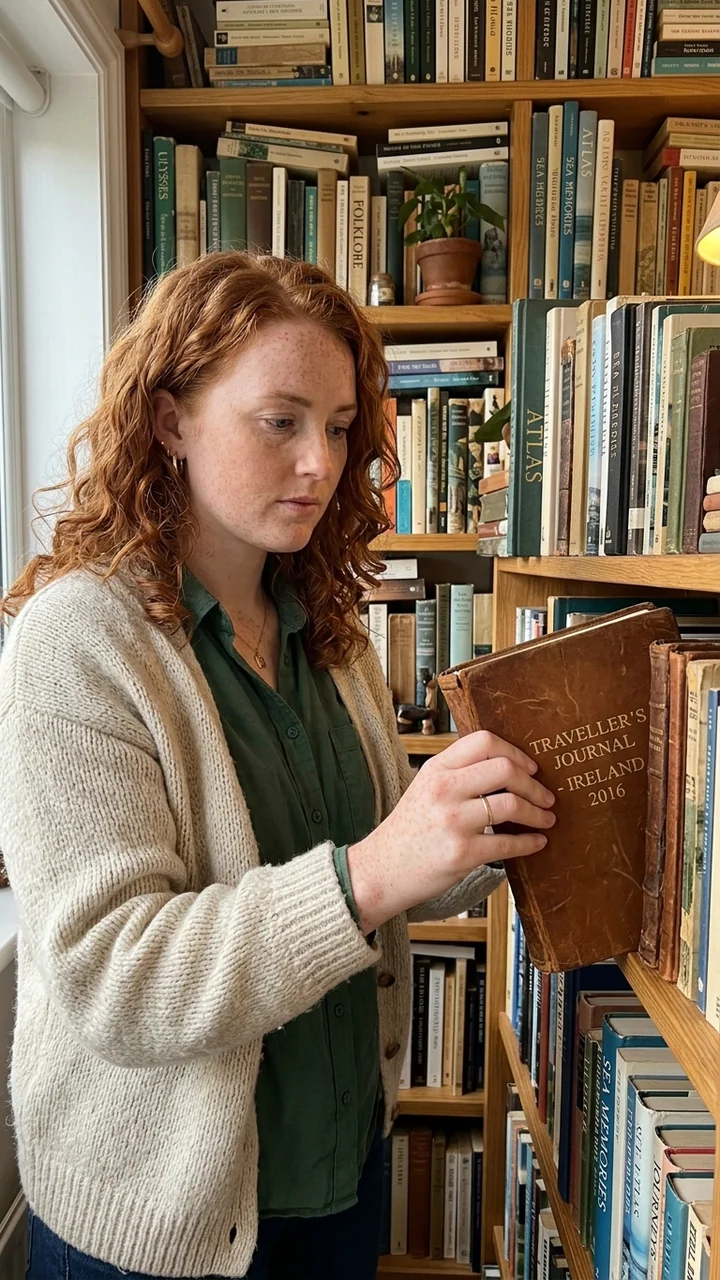
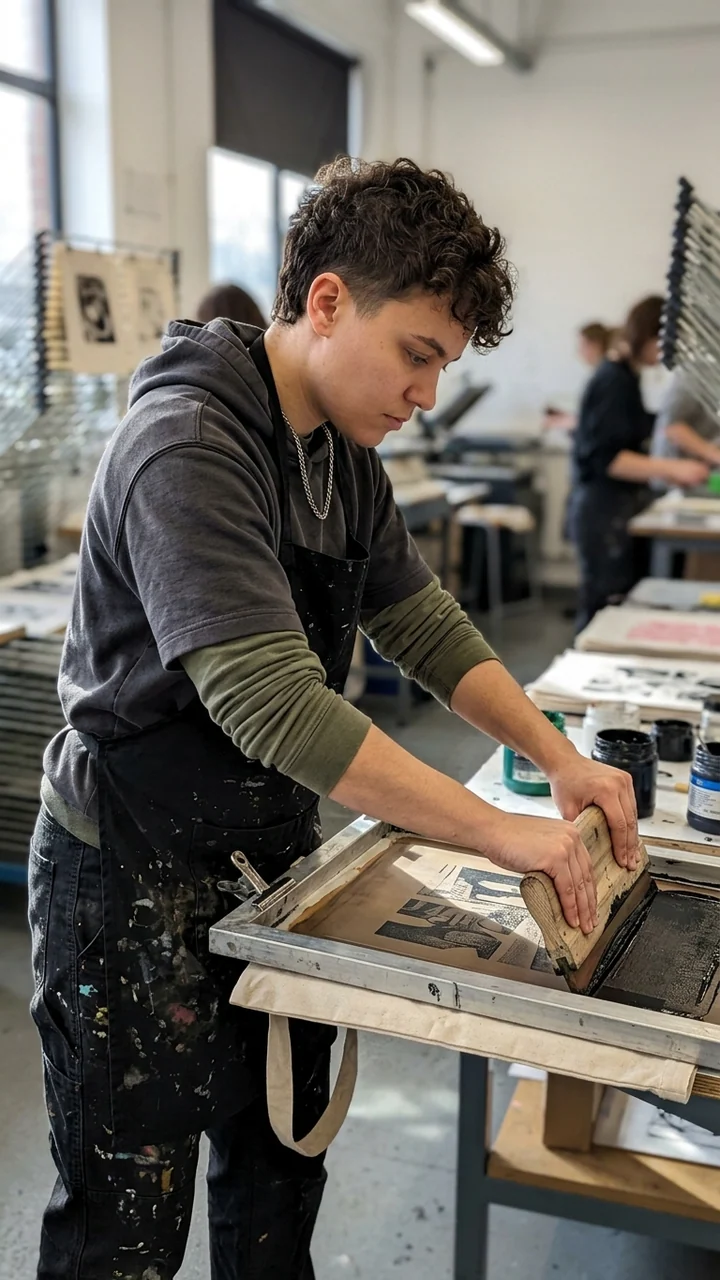
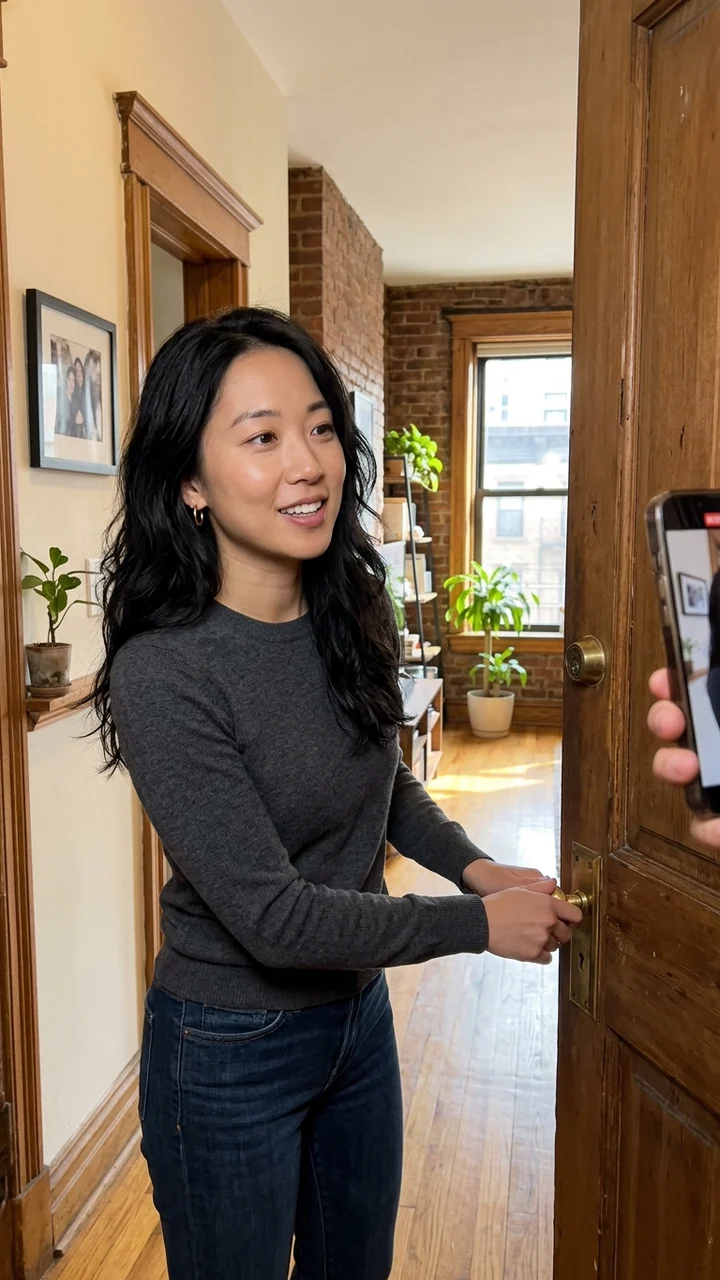
Campaigns often stall because video production has too many moving parts. A strong idea might need a spokesperson, studio time, editing, captions, revisions, and approvals before it ever reaches an audience. AI influencer workflows reduce that friction by making the creative process more modular: script first, presenter second, video output next.
This is especially useful when your team needs short-form content for paid social, organic feeds, landing pages, email campaigns, or product education. You can create a video that introduces a feature, another that answers a common objection, and another that presents a seasonal offer, all while keeping the same visual identity.

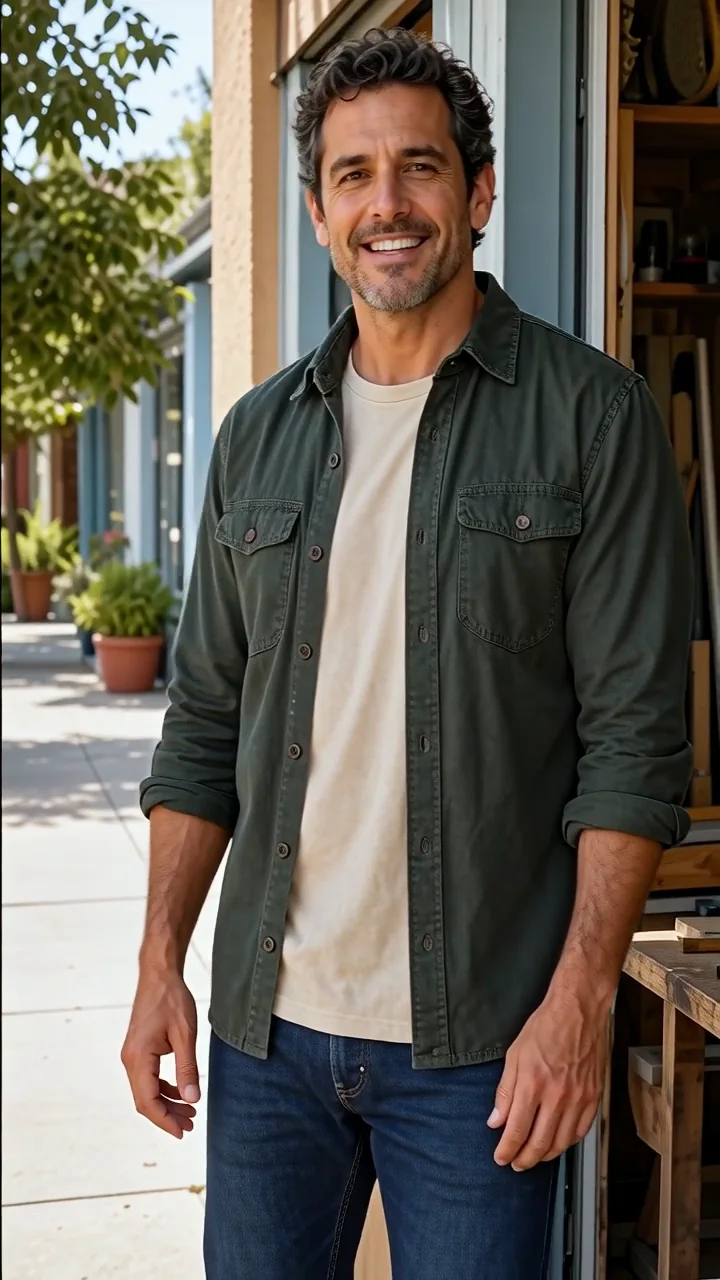

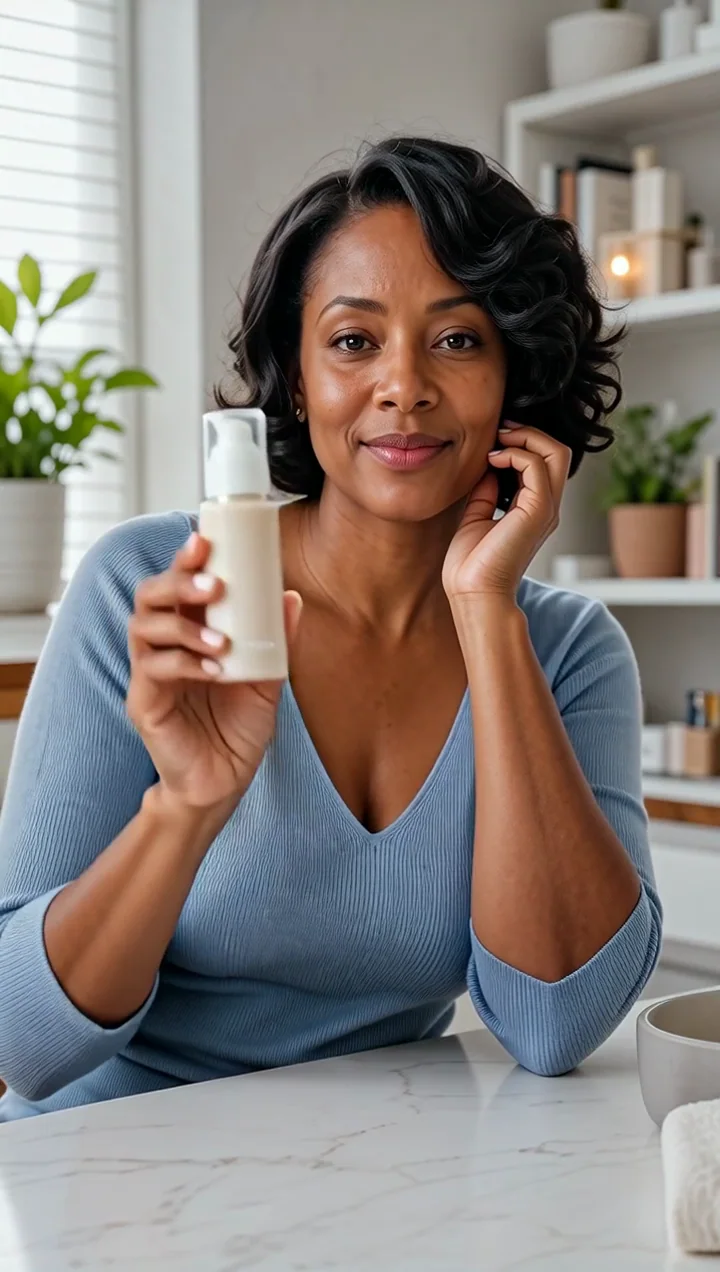
Use an AI Influencer Video Generator to create:
The benefit is not just speed. It is the ability to create focused content for each stage of the customer journey, from awareness to consideration to conversion.
A single video can help a campaign. A repeatable system can support the entire content calendar. When your brand uses an ai content generator alongside an AI presenter workflow, you can create scripts, captions, social post ideas, and video outlines from the same campaign brief.
That matters because modern marketing rarely depends on one asset. A product launch may need teaser videos, explainer clips, objection-handling content, comparison messages, retargeting ads, and follow-up posts. AI influencers make it easier to maintain a steady rhythm of content without waiting for a new production cycle every time the message changes.
This keeps creative work organized. Instead of producing random content, your team builds a repeatable engine for campaign testing and audience education.
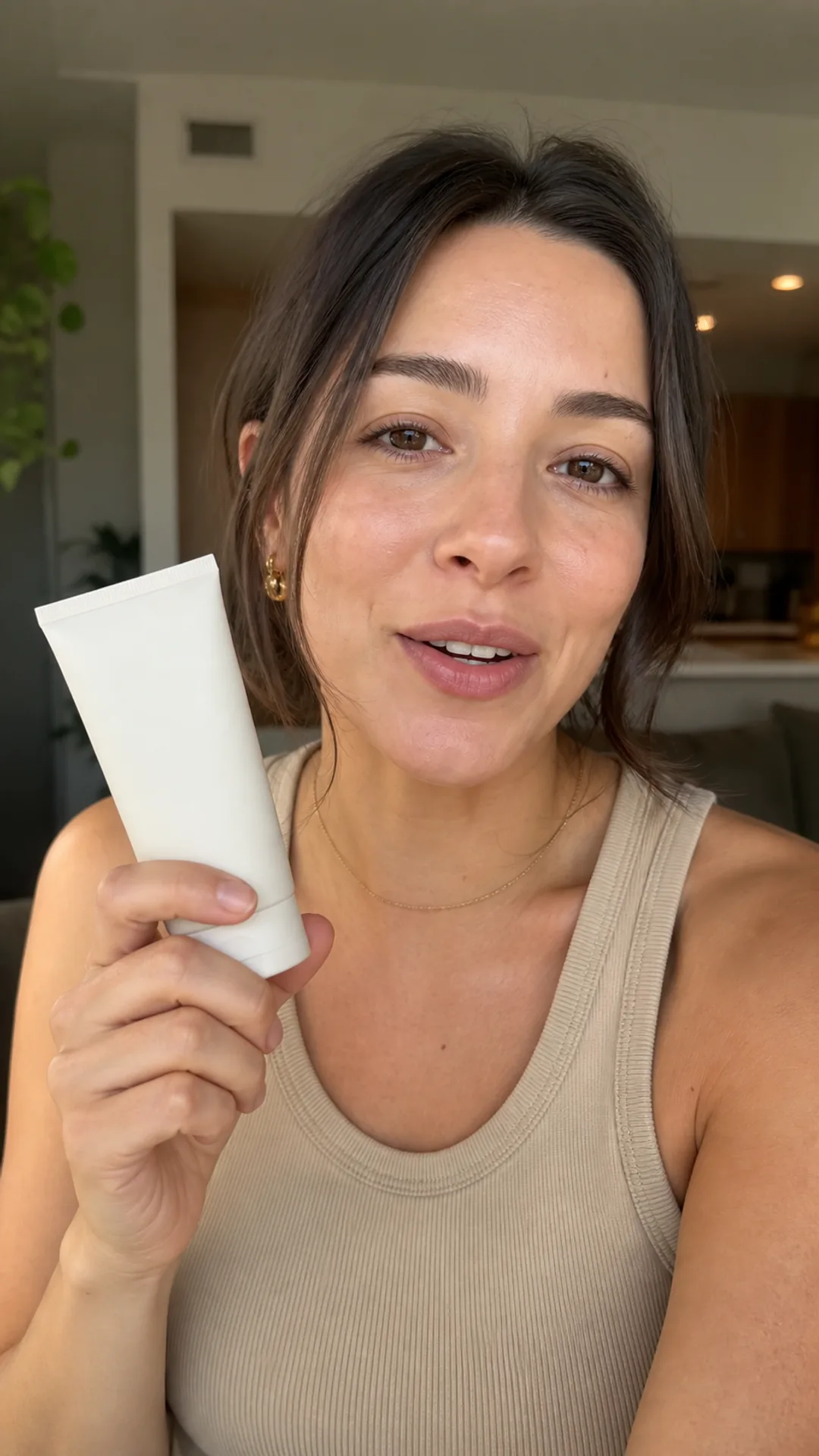
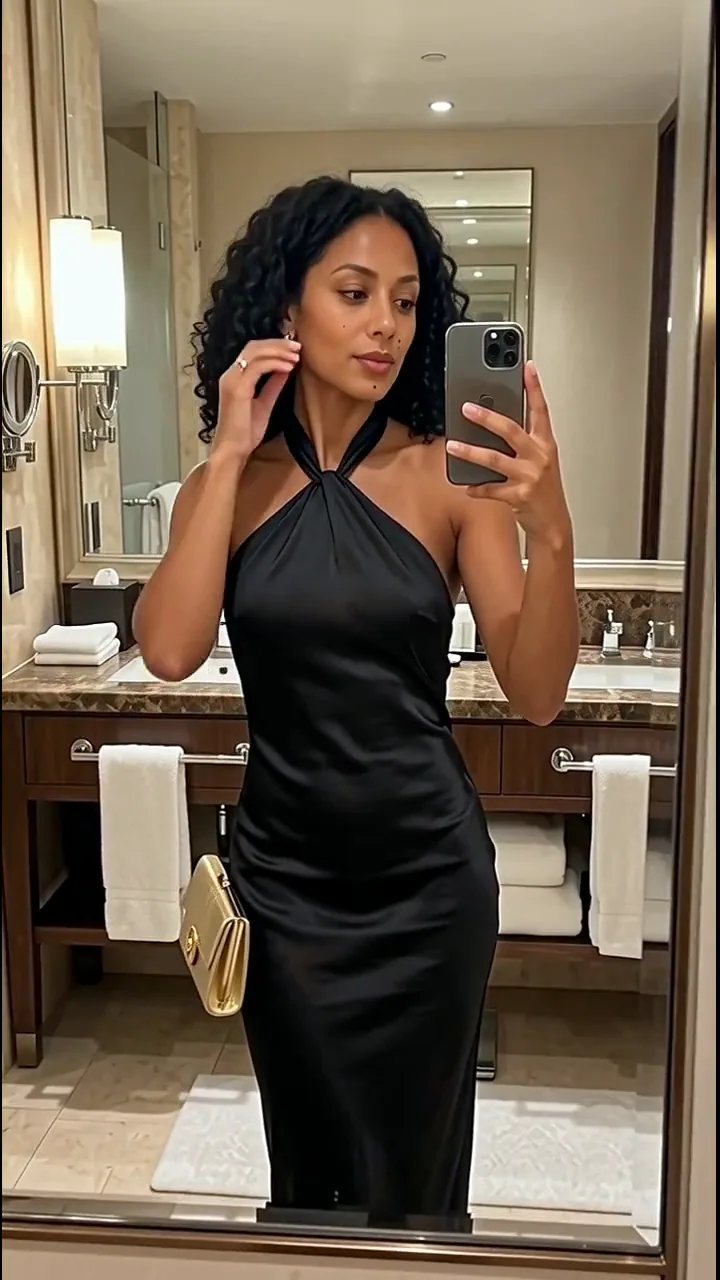
AI influencer content works best when each video has a specific job. A top-of-funnel video should quickly earn attention and make the viewer curious. A mid-funnel video should explain value, answer a question, or make a product easier to understand. A conversion-focused video should guide the viewer toward a next step without burying the action.
For awareness, use short videos with a strong opening line, a recognizable pain point, and a quick payoff. For consideration, use videos that compare options, walk through use cases, or explain how the product fits into the viewer’s day. For conversion, use concise videos on landing pages, signup flows, or retargeting campaigns that reinforce the promise and invite action.
Strong AI influencer campaigns often include:
This structure helps avoid vague “brand content” and turns each asset into a purposeful part of the buyer journey.
Influencer-style content works because it feels direct and human. But for brands, that same casual format can create risk if the message is inaccurate, off-tone, or inconsistent. AI influencer videos give teams more control over what is said, how it is presented, and where the content is used.
You can shape the script around approved messaging, brand vocabulary, customer pain points, and product details. You can adjust the pace, tighten the CTA, simplify the explanation, or create multiple versions for different audience segments. This is where influencer marketing ai becomes especially valuable: it keeps the approachable feel of creator-led content while giving the brand a structured production process.
To get stronger results, prepare the following before generating a video:
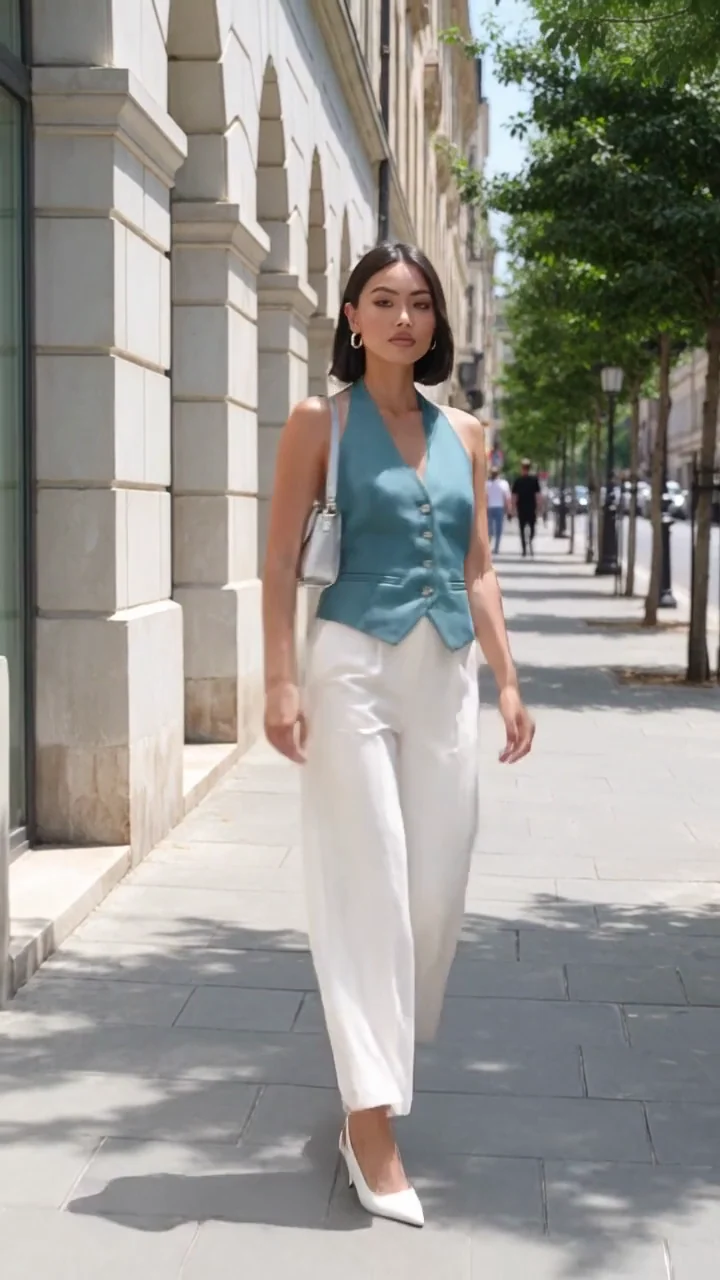
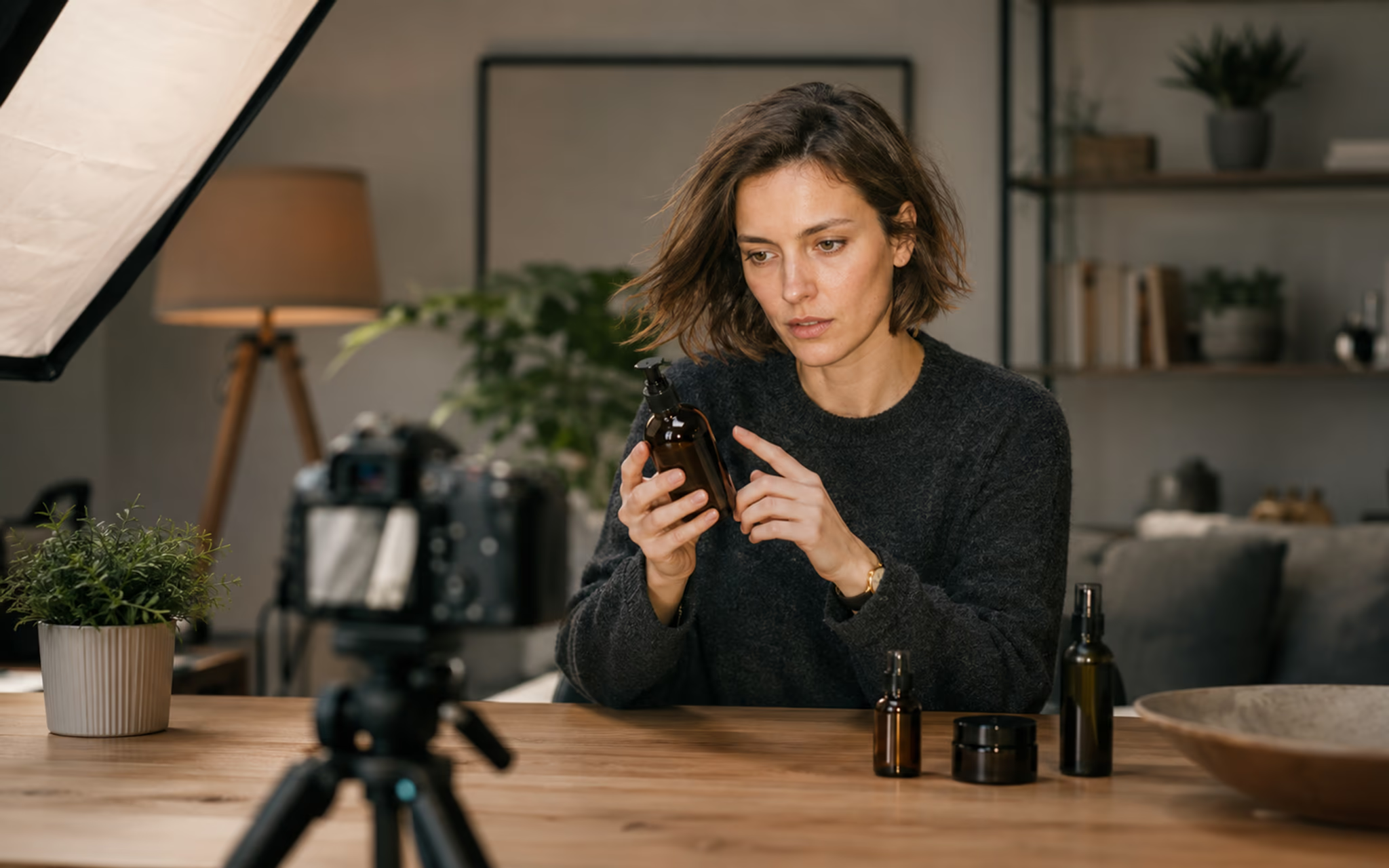

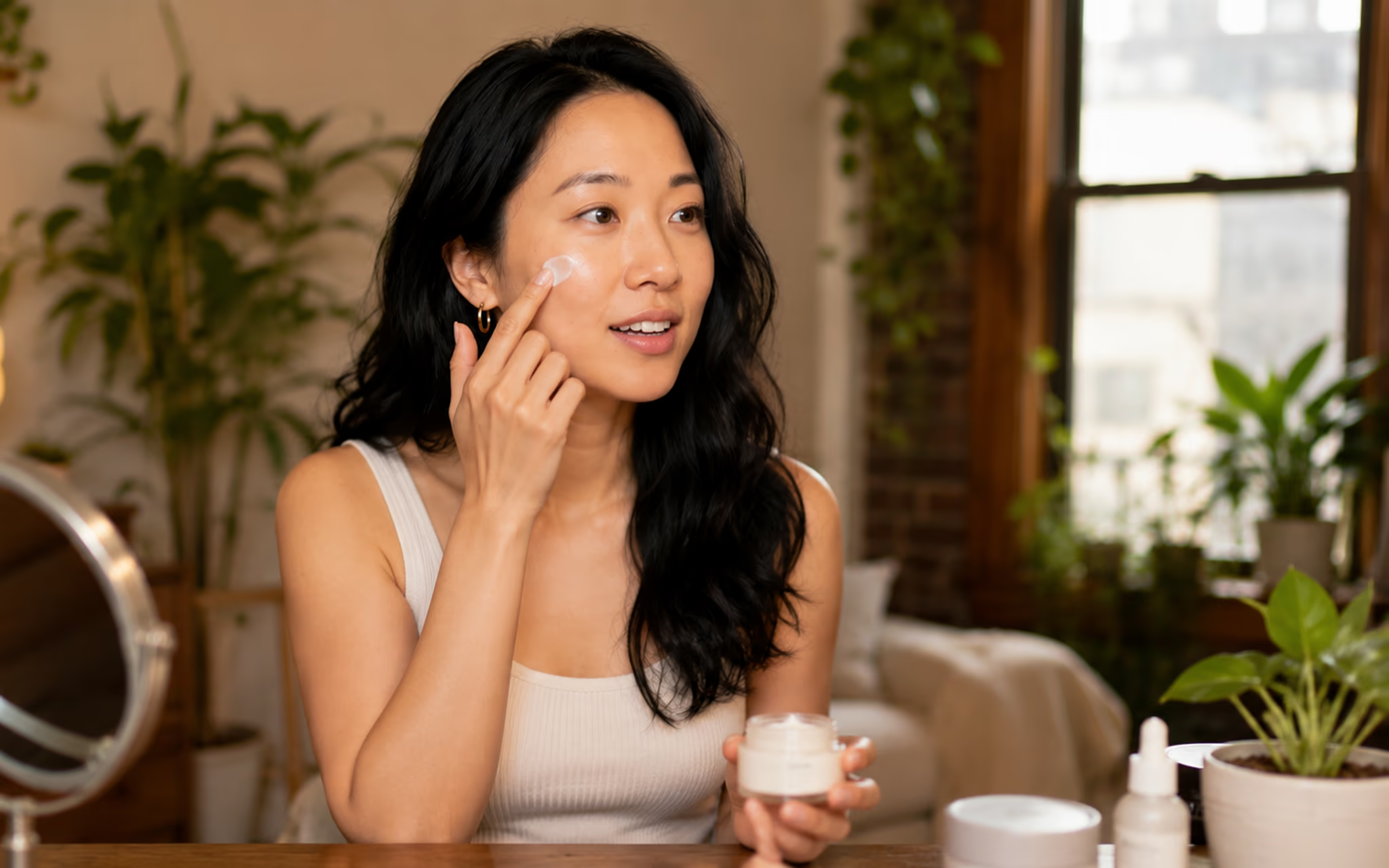
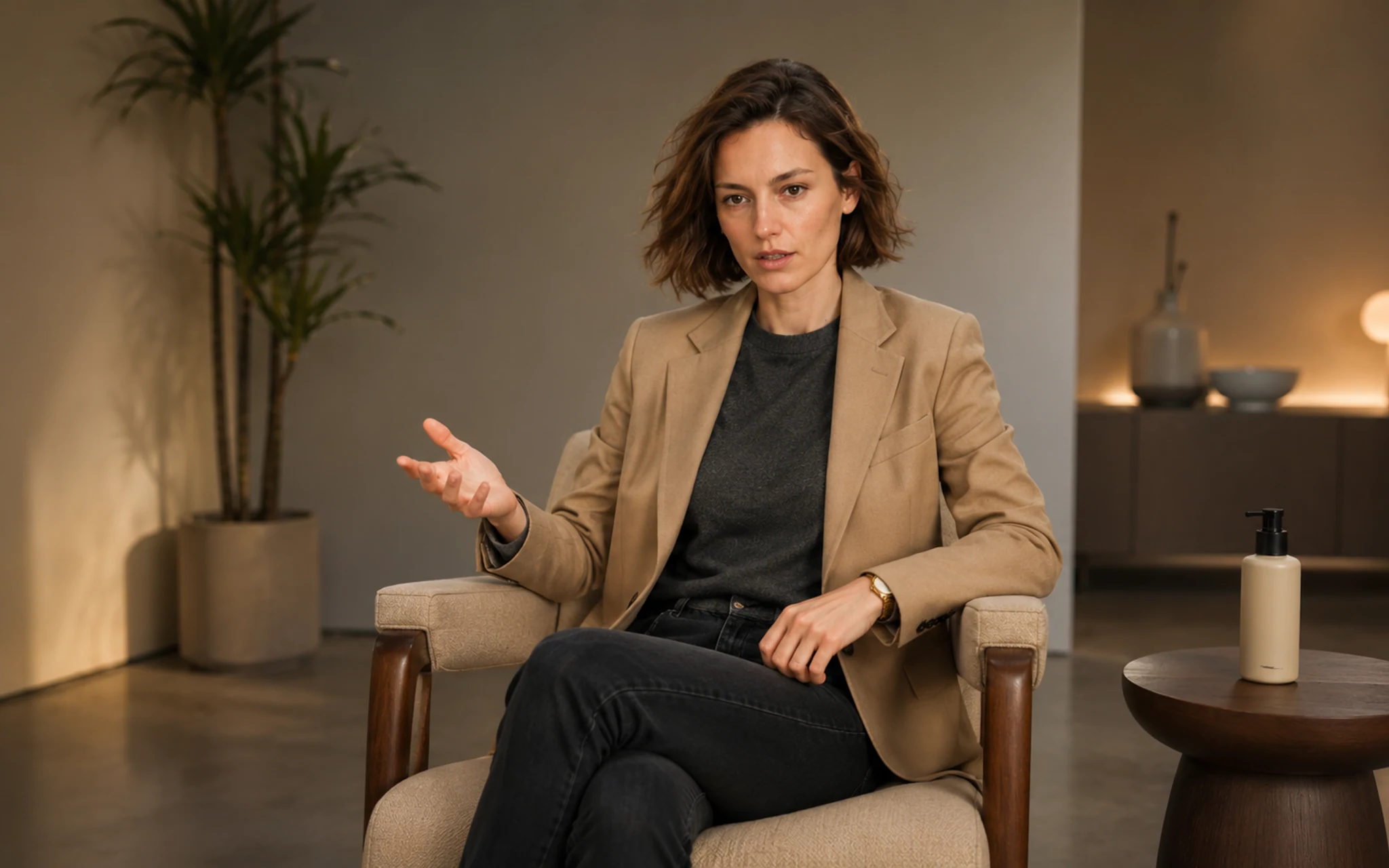
When the inputs are focused, the output is easier to review, edit, and launch. The best videos feel natural because the message is simple, not because the process is unplanned.
Many teams want to experiment with influencer-style content but hesitate to commit budget before they know what message will work. Searching for an ai influencer video generator free option is often the first step, especially for marketers who want to test a concept, prototype a script, or explore how AI presenters might fit into a campaign.
Free or entry-level tools can be useful for early experimentation, but the real value comes from building a repeatable workflow. Use early tests to learn which hooks feel strongest, which visuals support the message, and which CTAs make sense for your audience. Once the strategy is clear, you can scale the format with more refined scripts, better creative direction, and more intentional campaign planning.
Lead with the customer problem.
Lead with the product outcome.
Lead with a direct offer.
A simple before-and-after example: instead of asking your team to produce one polished product video for every channel, start with three short AI influencer variations. One version leads with the customer problem, one leads with the product outcome, and one leads with a direct offer. The winning angle can then guide paid ads, organic posts, email copy, and future video production.
AI influencer videos are strongest when they answer real audience needs. Start with the questions your sales, support, or marketing team already hears. Then turn each one into a short, focused script with a clear takeaway.
Try these campaign-ready ideas:
Each idea can become several assets by changing the opening line, audience segment, or CTA. That is the advantage of pairing an ai content generator with an ai video platform: you can move from one strategic message to a complete set of usable campaign assets.
Use the TikTok Caption Generator after the spoken direction is clear.
Start with one saved adult character, one visible action, and a clear starting image when the selected option requires one. Check the options shown in Studio before you submit: duration, framing, and cost depend on the selected model.
These examples use the same current option definitions as Studio. They are individual generation prices, not unlimited usage or a finished campaign package.
A new attempt has its own quote. Longer clips or other quality settings can cost more. Source-image creation, motion, and talking workflows have their own costs; the confirmation estimate is the amount to review before each submission.
Use these troubleshooting scenarios while reviewing your own clip. They describe possible failures, not measured failure rates or a guarantee that a retry will fix them.
If the starting identity is not stable yet, build it with the Consistent Character Generator before spending credits on more motion. Compare the character, reference task, and real video examples above to understand the input-to-output relationship.
Treat the prompt like a shot brief. One subject, one action, one environment, and one camera idea is usually easier to review and iterate.
These public pages lead to different Studio inputs. Pick the workflow that matches what you already have.
Saved character + action prompt. Best for a new creator-led clip that prioritizes identity.
One image + motion prompt. Best when a specific still frame should become a short moving shot.
Appearance image + reference video. Best when visible pose timing should follow an existing performance.
Each route starts from a different input or solves a different production task.
Animate one existing image with a motion prompt.
Start from a written scene when no source image needs to guide the clip.
Continue a saved character with a new written action.
Pair a full-body character with a dance reference or template.
Copy movement from an authorized reference clip.
Keep an existing video and replace the speaking layer.
Start from a portrait and a script or owned audio.
AI influencers are not a shortcut for weak messaging. They are a way to turn strong messaging into more useful video content, faster. When your campaign has a clear audience, a focused script, and a defined next step, an AI Influencer Video Generator can help you create content that feels timely, consistent, and ready to publish. If you are ready to explore influencer-style video without building every asset through traditional production, start with one campaign goal and one audience segment. Create a short script, generate a first video, and test a few variations before scaling. The sooner your team builds a repeatable AI video workflow, the easier it becomes to keep your content calendar active, relevant, and conversion-focused.
Create an influencer video