
AI Generated Beautiful Woman: Create Diverse Portraits
Create an AI woman portrait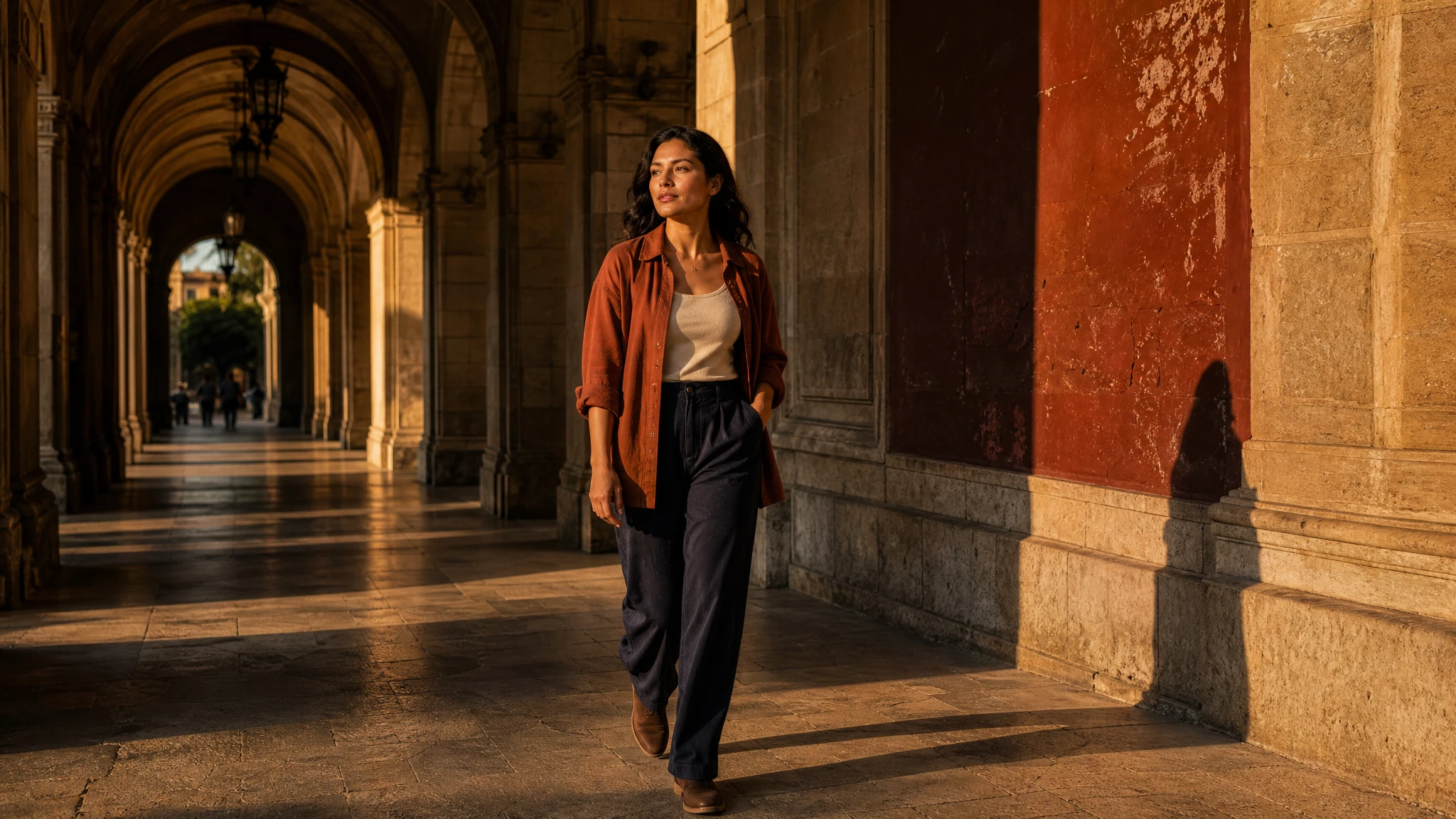
AI-generated images of women have become a visible part of digital art, advertising concepts, character design, and social media experimentation. When people search for an ai generated beautiful woman or a beautiful ai generated woman, they are often exploring more than visual appeal; they are looking at how technology interprets style, symmetry, mood, culture, and imagination. Understanding these images helps creators use AI more thoughtfully while avoiding shallow, repetitive, or unrealistic beauty standards.
An AI-generated woman feels beautiful when the image combines technical quality with emotional presence. Facial symmetry, lighting, color harmony, pose, and detail all matter, but the strongest images usually have a sense of personality. A portrait can look polished and still feel empty if it lacks expression, context, or a clear artistic direction.
Beauty in AI imagery is also shaped by the prompt. Words such as “soft natural light,” “confident expression,” “editorial portrait,” or “warm cinematic mood” guide the image toward a specific aesthetic. The result is not simply a “perfect” face; it is a visual interpretation of many design choices working together.
What makes an AI-generated woman feel beautiful
AI image generation can bring together familiar artistic elements. Creators who understand these elements can move beyond generic results and produce images that feel intentional.
This is why two prompts using the phrase beautiful woman ai generated can produce very different results. One may look like a studio portrait, while another may resemble a fantasy character, a futuristic avatar, or a painterly illustration.
Find your direction
Make the visual direction more specific
How visual choices shape the result
Key ingredients often include:
- Composition
- A balanced frame draws attention to the face, posture, or setting without overwhelming the viewer.
- Lighting
- Soft light can create warmth and elegance, while dramatic shadows can suggest mystery or strength.
- Color palette
- Muted tones feel refined, bright colors feel energetic, and monochrome palettes can feel timeless.
- Expression
- A subtle smile, direct gaze, or thoughtful look gives the image emotional depth.
- Texture and detail
- Hair, skin, fabric, and background details help the image feel complete rather than artificial.
- Style direction
- Fashion editorial, fantasy, realism, anime, cinematic, and fine-art styles each create a different idea of beauty.
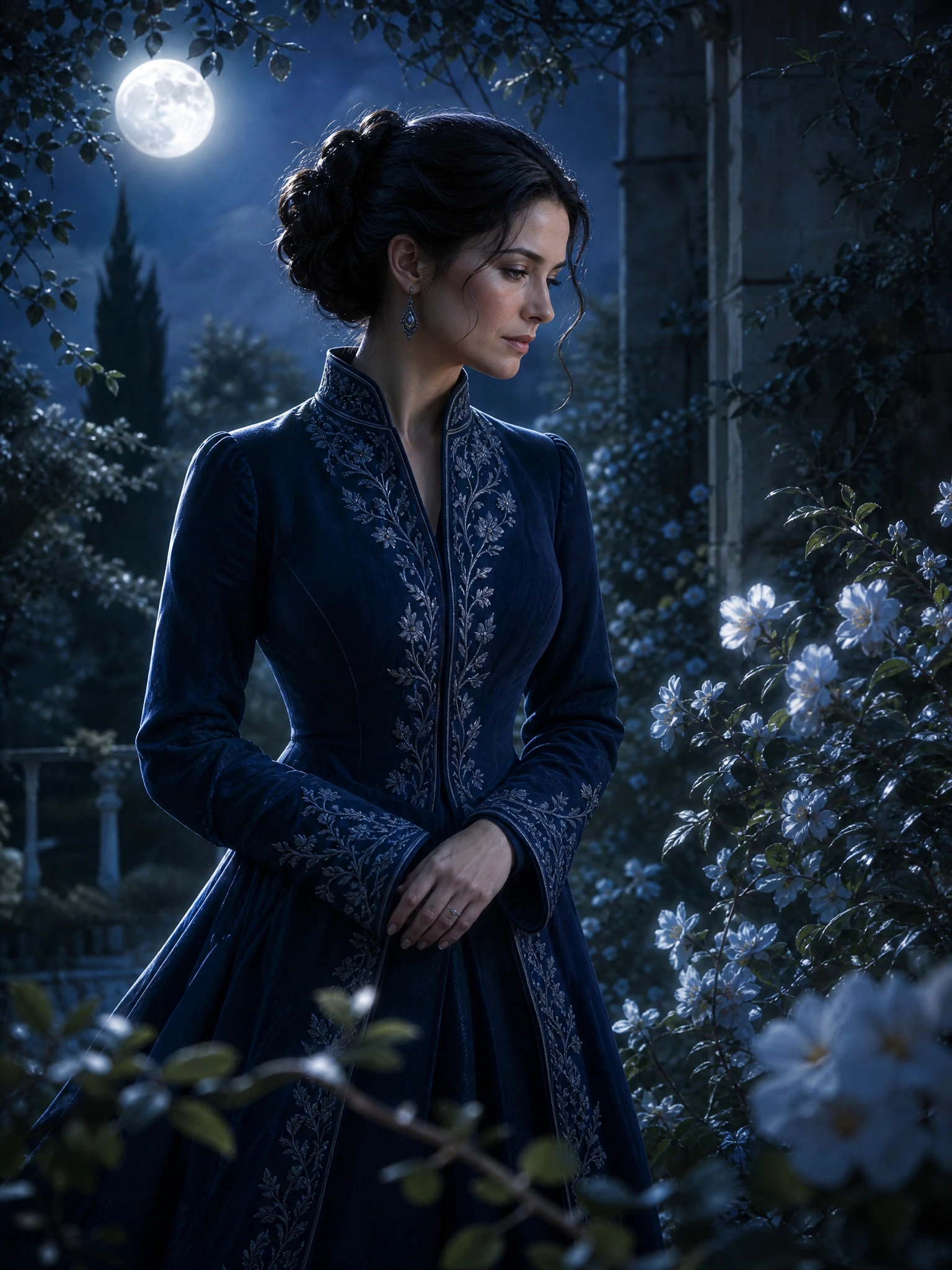
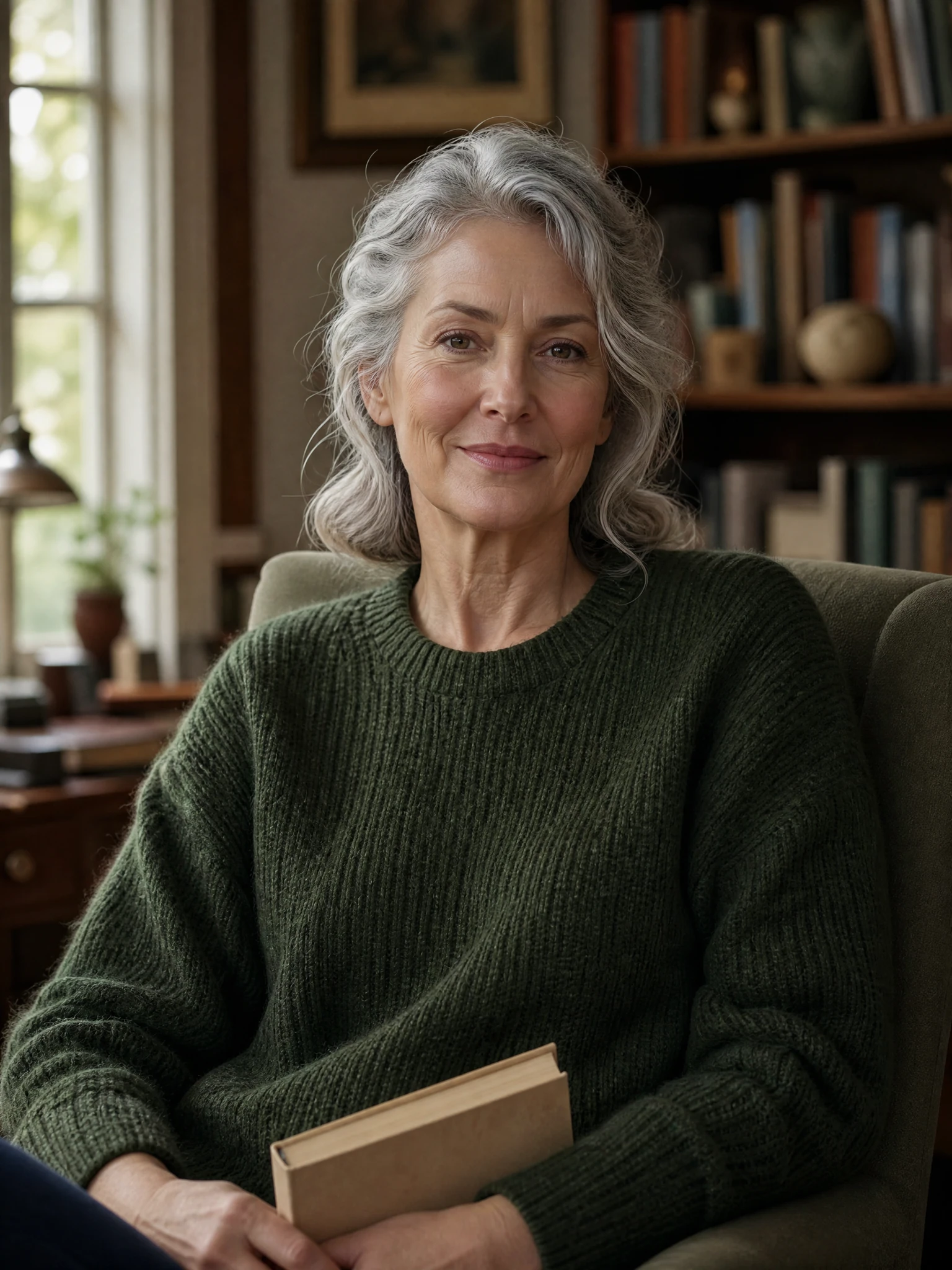
One phrase, many visual directions
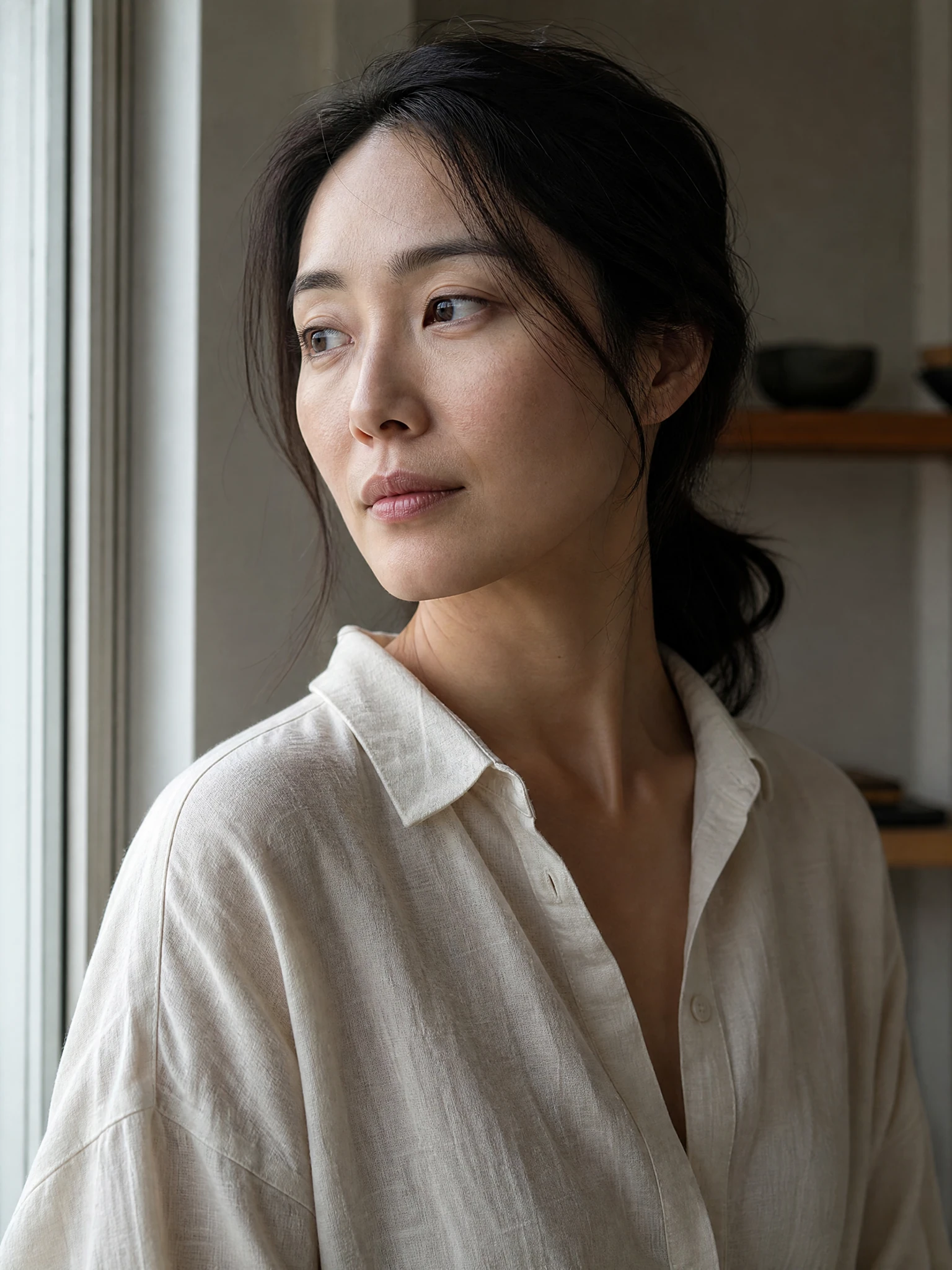
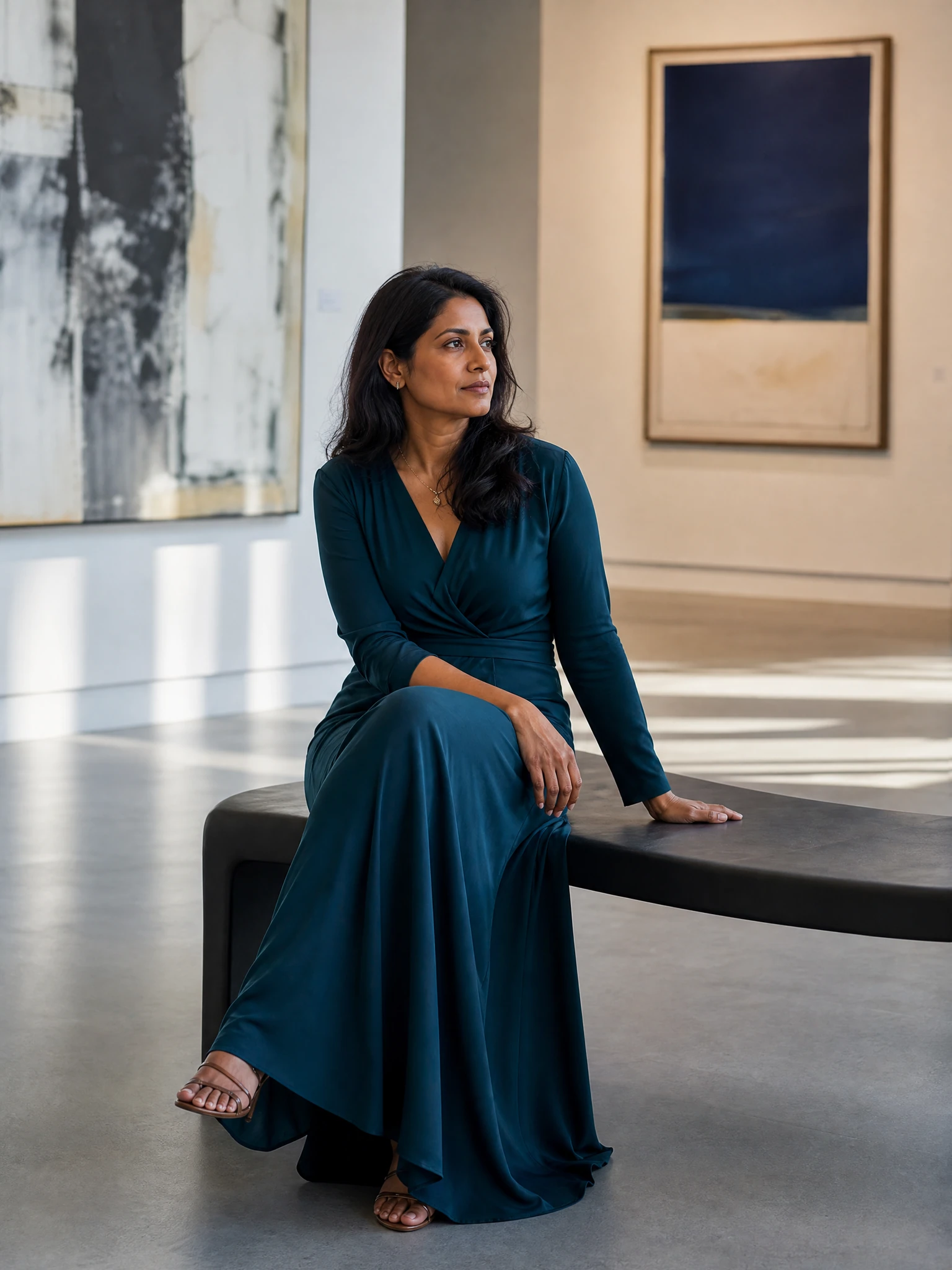
The same search can lead to a quiet gallery portrait or a moonlit visual story. A specific setting, gaze, material, light source, and finish make the difference visible.
When perfection feels less human
Many users are fascinated by searches such as perfect woman ai generated most beautiful face or ai generated most beautiful woman because AI can create highly polished faces that appear flawless. These images often emphasize symmetry, smooth skin, bright eyes, and carefully styled hair. They can be visually striking, especially when paired with cinematic lighting or luxury fashion cues.
However, idealization has limits. A face that is too smooth, too symmetrical, or too polished can start to feel less human. Small imperfections, natural texture, asymmetry, and authentic expression often make an image more relatable. In many cases, the most compelling AI portraits are not the ones that look mathematically perfect, but the ones that feel believable.
For creators, the practical takeaway is simple: do not rely only on perfection. Add atmosphere, story, and character. A portrait of a woman standing in morning light with a thoughtful expression may be more memorable than a flawless face floating against a plain background.

Beauty is not one universal standard
AI can generate images that many people may describe as extremely beautiful, but it cannot objectively create the single most beautiful woman. Beauty is personal, cultural, emotional, and contextual. What looks elegant to one viewer may feel ordinary or artificial to another.
The phrase ai generated most beautiful woman is useful as a search concept, but it should not be treated as a universal standard. AI reflects patterns in visual references and the words used in a prompt. If creators repeatedly ask for the same narrow version of beauty, the results may reinforce limited ideals rather than expand visual imagination.
A better approach is to define the kind of beauty you want to explore. Is it natural, glamorous, futuristic, mature, youthful, strong, delicate, joyful, mysterious, minimalist, or bold? Clear direction produces better images and encourages a wider range of representation.
Responsible representation and disclosure
The aesthetics of AI-generated women come with ethical considerations. Since these images can look realistic, creators should be careful about how they present them. If an image is AI-generated, transparency is often the most respectful choice, especially in commercial, editorial, or social media contexts.
Build a character, not a stereotype
Responsible creation also means avoiding prompts that reduce women to stereotypes. Instead of asking only for a “perfect” or “flawless” woman, consider prompts that include personality, profession, setting, movement, or emotion. This shifts the focus from passive appearance to richer visual storytelling.
The examples on this page are original fictional adult portraits, not real people.
Five checks before publishing
Practical ways to create more thoughtful images include:
- 01
Use descriptive, respectful prompts. Focus on mood, style, character, and context rather than objectifying language.
- 02
Vary age, features, and cultural references. Broader representation creates more interesting and inclusive results.
- 03
Keep skin texture and natural detail. Over-polished images can feel artificial and promote unrealistic standards.
- 04
Avoid implying a real person is depicted. Do not use AI portraits in ways that could mislead viewers.
- 05
Review outputs critically. Look for bias, repetitive features, distorted anatomy, or visual clichés before publishing.
These steps help creators make images that are not only attractive but also more credible and considerate.
Build a stronger woman portrait prompt
If your goal is to generate a beautiful ai generated woman, the best prompts usually include a clear visual concept. Instead of writing only “beautiful woman,” build a scene. Add lighting, mood, setting, wardrobe, expression, and artistic style.
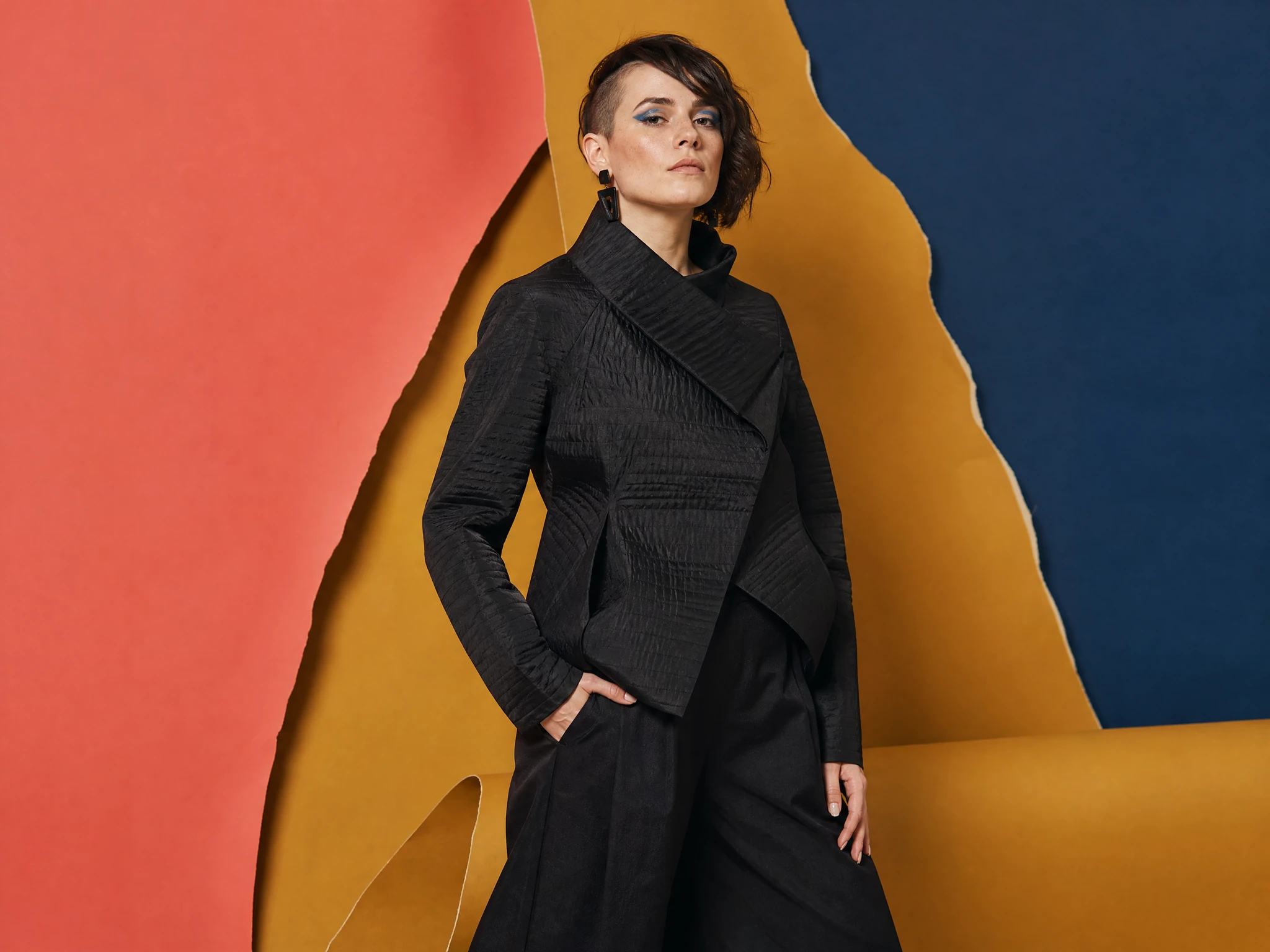
For example, a stronger prompt might describe a confident woman in a modern studio portrait, soft side lighting, natural skin texture, calm expression, elegant styling, and a realistic editorial photography look. Another prompt might explore a fantasy heroine in a moonlit garden, detailed costume design, silver-blue color palette, and painterly atmosphere.
A prompt works best when every phrase gives the image one visible decision.
Adult fictional woman, moonlit garden, silver-blue light, calm expression, detailed costume, painterly atmosphere.
Prompt elements that change the output
Useful prompt elements include:
- The overall style, such as
- realistic portrait, cinematic concept art, or fashion editorial
- The emotional tone, such as
- serene, confident, curious, joyful, or introspective
- The environment, such as
- city street, studio, garden, gallery, or futuristic interior
- The lighting direction, such as
- golden hour, soft window light, neon glow, or dramatic backlight
- The level of realism, from
- stylized illustration to photorealistic detail
The more intentional the prompt, the less generic the result. Beauty becomes part of a larger creative idea rather than the only purpose of the image.
From flawless faces to visual stories
The early appeal of AI portraits often centered on flawless faces, but the more interesting direction is diversity and storytelling. Creators are learning that realism, character, and atmosphere can be more powerful than perfection. A distinctive face, expressive eyes, unusual styling, or textured environment can make an image stand out.
This shift matters because AI tools can either narrow beauty into a repeated formula or widen it into something more imaginative. Used well, they can help artists explore identities, eras, genres, and moods that would be difficult to produce quickly through traditional methods. Used carelessly, they can flood the web with similar faces and predictable visual cues.
The best results come from treating AI as a creative partner, not a beauty machine. Ask better questions, give stronger direction, and evaluate the output with an artistic eye.
AI-generated women reveal how technology interprets beauty through data, design, and human instruction. Searches for an ai generated beautiful woman may begin with visual curiosity, but the strongest work goes deeper into expression, context, representation, and mood. When creators balance aesthetics with responsibility, AI portraits can become more than polished faces; they can become thoughtful visual stories.
Choose a direction, refine it, then keep the identity
Choose the visual job before choosing another face. Use a close portrait for expression, a full outfit for fashion, or an environmental scene for a story.
1. Pick the direction
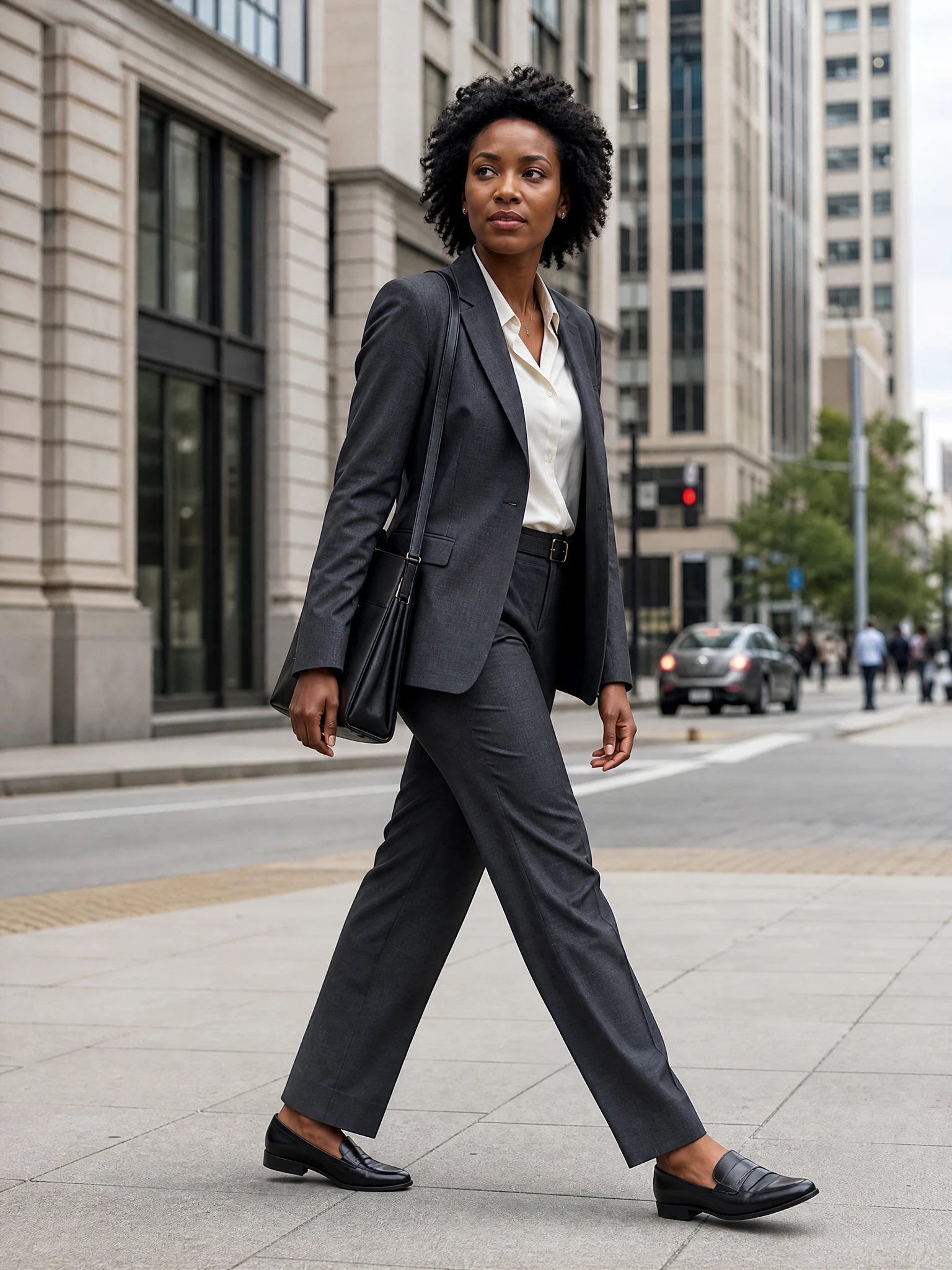
Use the window portrait for soft light, the city outfit for movement, or the painterly garden for illustration. Record adult age, face shape, hair, and a signature accessory as identity details.
2. Change one variable
Keep the approved identity reference. Change the jacket, background, or camera distance separately so you can see what caused a difference. If you intentionally change the face or apparent age, treat it as a new character direction.
3. Save before building a series
Open the character workflow, create or import an authorized identity, review it, and save it. Select that saved character for the next photo; repeating a text prompt alone does not lock a face.
Compare eye shape, nose, jaw, hairline, and apparent adult age against the reference. If those drift, return to the approved identity and simplify the new scene before trying again.
Create the idea in Studio
Start from a written visual direction, choose the framing and quality that fit the use, then review the generated image before you download or publish it.
Create an AI woman portrait- 01
Write a visual direction
Describe an adult fictional woman, then add setting, wardrobe, action, light, expression, and finish.
- 02
Choose the image settings
Select the framing and quality that suit the intended portrait, editorial, or environmental image.
- 03
Submit and review
Check the task status, then inspect expression, skin, hands, anatomy, visual clichés, and any unwanted resemblance.
- 04
Download or continue
Keep the approved result for its intended use, or move to the more specialized workflow your next task needs.
Influencer Images is for social and campaign scenes with a concrete post outcome.
Fashion Models is for a saved adult character and apparel-led campaign work.
AI Headshot Generator is for an authorized professional portrait.
Consistent Character Generator is for a saved identity across a planned image series.
How to Create AI Model Girl and How to Make AI Girl Model go deeper on character direction.
AI Disclosure and Commercial Use cover publication responsibilities.
Before you begin
Bring your direction into Studio
- An original identity
- A setting
- A crop
AI generated beautiful woman FAQs
These answers describe the current image workflow and its limits.
What is an AI-generated beautiful woman?
It is a fictional adult woman portrait created from a written visual direction. The strongest result usually includes character, setting, light, expression, and style rather than a request for a perfect face alone.
How do I create an AI woman portrait from a text prompt?
Describe a clearly fictional adult woman, then add the scene, wardrobe, expression, lighting, framing, and finish you want to review. Studio shows the available settings before you submit the image task.
What prompt details make an AI woman portrait feel more intentional?
Start with one visual idea, then specify mood, environment, lighting direction, pose, wardrobe, expression, and the level of realism. Concrete choices make the result less generic.
Can AI create the single most beautiful woman?
No. Beauty is personal, cultural, emotional, and contextual. Use the phrase as a search direction, then define the specific kind of character, mood, and visual story you want to explore.
Can Studio keep the same woman consistent across multiple images?
This route creates one original image from a text direction. When a reusable identity matters, create and save a character first, then review each later result for variation.
Are the women shown on this page real people?
No. The examples are original fictional adult portraits created for this page. They are not real people, endorsements, or customer proof.
Can I create an AI-generated woman for free?
Studio shows the current credit estimate before you submit. This page does not promise free generation.
Can AI-generated woman images be used commercially?
Use only images, likenesses, and claims you have permission to use. Review each output, the intended channel, and any disclosure requirements before publication.
Give the image a real point of view.
Start with an adult fictional character, one clear scene, and a visual choice worth reviewing.
Plan Content
Measure Engagement
Build Your Profile
Price Your Work
Write Post Copy
Brand Partnerships