
Famous AI models · virtual influencer guide
8 Famous AI Models and Virtual Influencers to Know
Meet eight recognizable virtual personalities, study the visual systems behind their fame, and learn how to build an original fictional adult character without copying an existing identity.
AI models here means virtual people—not LLMs
AI models have moved from experimental internet curiosities into a serious content format for creators, brands, agencies, and digital storytellers. This list explores the most influential types of AI models shaping social media today, especially the visual personalities people associate with searches like famous ai models instagram, famous ai models, and ai models famous. It also shows how AI Influencer Generator can help you create AI photos, build consistent characters, and turn a visual concept into repeatable AI influencer content.
Rather than treating AI influencers as one-size-fits-all avatars, the smarter approach is to understand the model archetype you want to build. A luxury fashion persona needs a different visual system than a fitness creator, a gaming character, or a lifestyle micro-influencer. AI Influencer Generator gives you a practical starting point for creating a fictional adult character and generating new scenes from a saved identity. Repeated prompts and reference images can improve continuity, but every output can vary and still needs review.
An AI model becomes influential when the character feels consistent, memorable, and useful to a specific audience. The most effective AI influencer content is not just a collection of attractive images; it has a recognizable identity, a clear niche, repeatable visual cues, and a content style that people can understand quickly. AI Influencer Generator supports the character and media-creation part of that process. Publishing, scheduling, community management, audience growth, and analytics remain in the social platform or another tool you choose.
Influence also comes from believability. A digital model does not need to pretend to be human, but the content still needs visual continuity: similar facial features, coherent fashion choices, stable settings, and a personality that makes sense across posts. When people search for famous ai models or famous ai models instagram, they are often noticing this same pattern: the characters that stand out are not random. They are designed with intention.
A strong AI model usually has:
- A defined niche, such as fashion, fitness, travel, beauty, gaming, or lifestyle.
- A consistent face, hairstyle, body type, wardrobe direction, and color palette.
- A repeatable photography style, such as studio portraits, streetwear shots, editorial campaigns, or casual selfies.
- A clear audience promise, such as inspiration, entertainment, style ideas, or product discovery.
- A content system that can produce fresh images without losing character identity.
Eight famous AI models and virtual influencers
For dated audience comparisons, see our popular AI influencers Instagram ranking.
These names are included for factual analysis. Their official pages remain the source of truth for current activity. We intentionally avoid undated follower, income, and partnership figures.
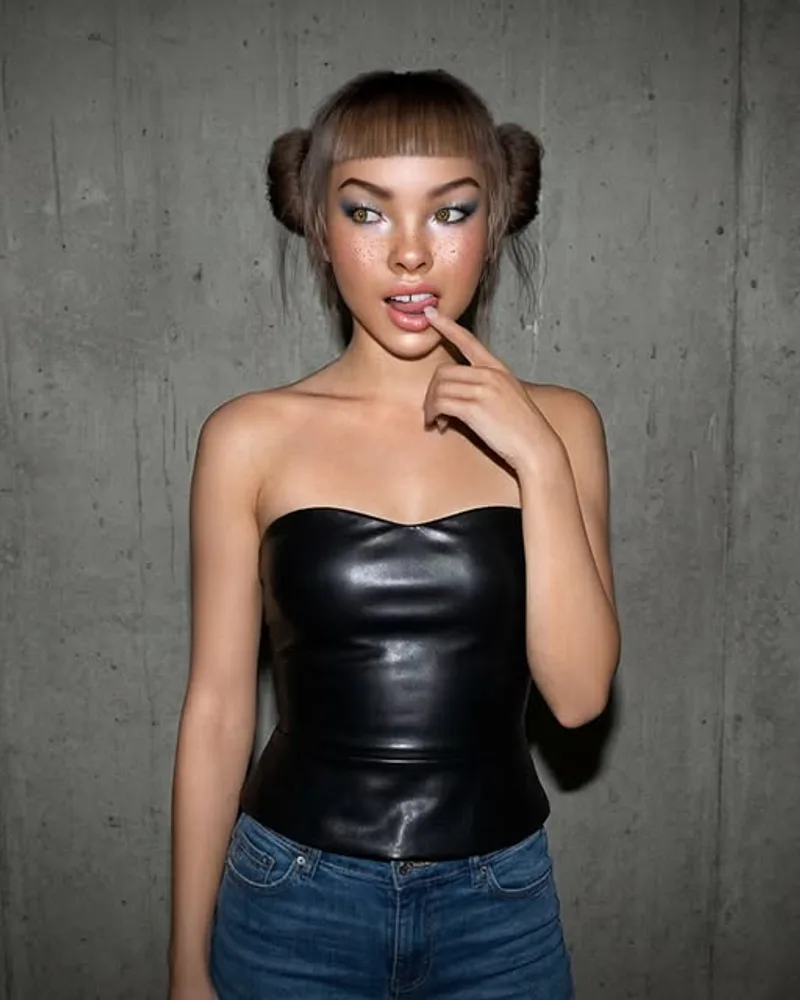
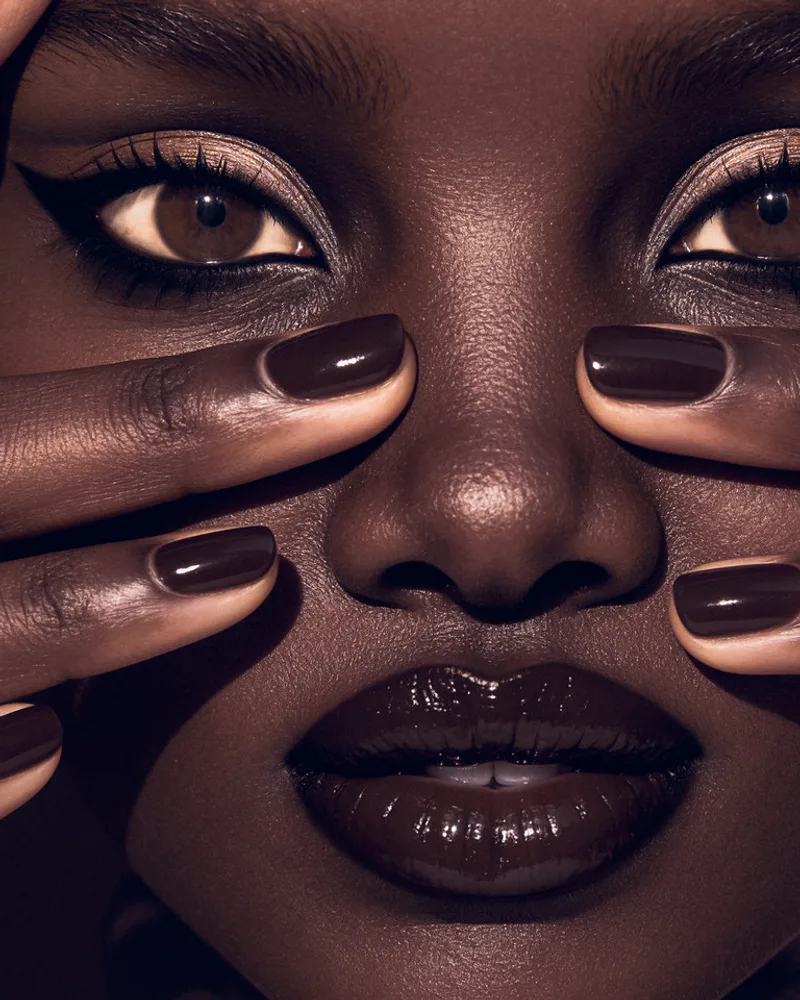
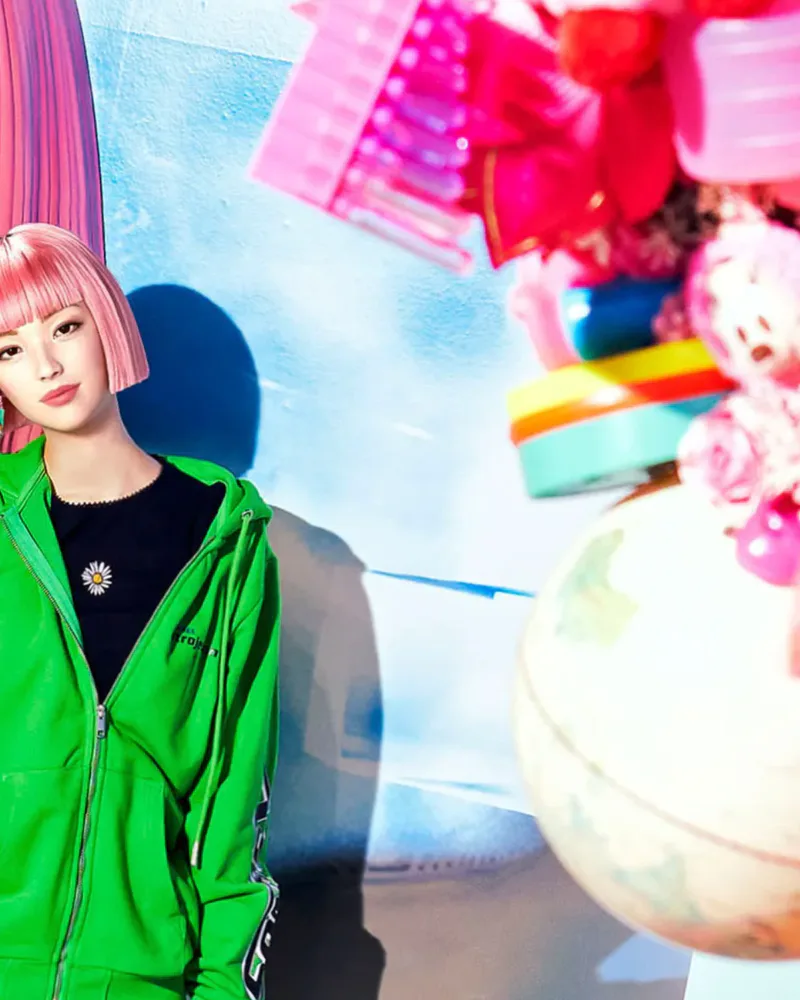
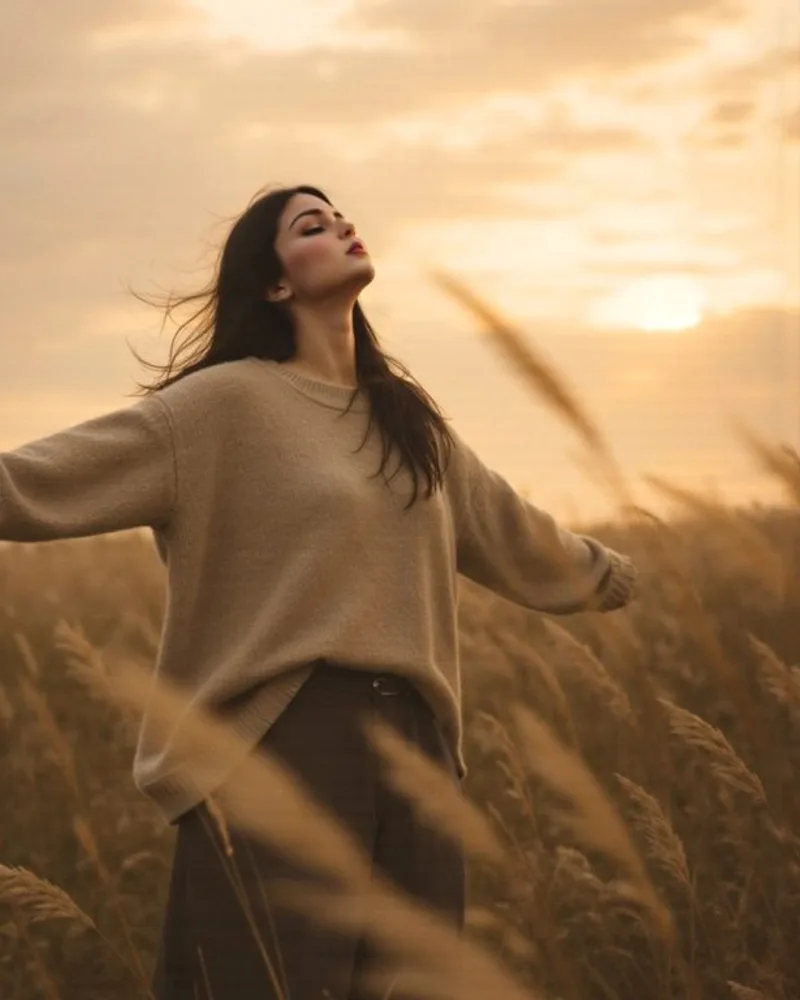
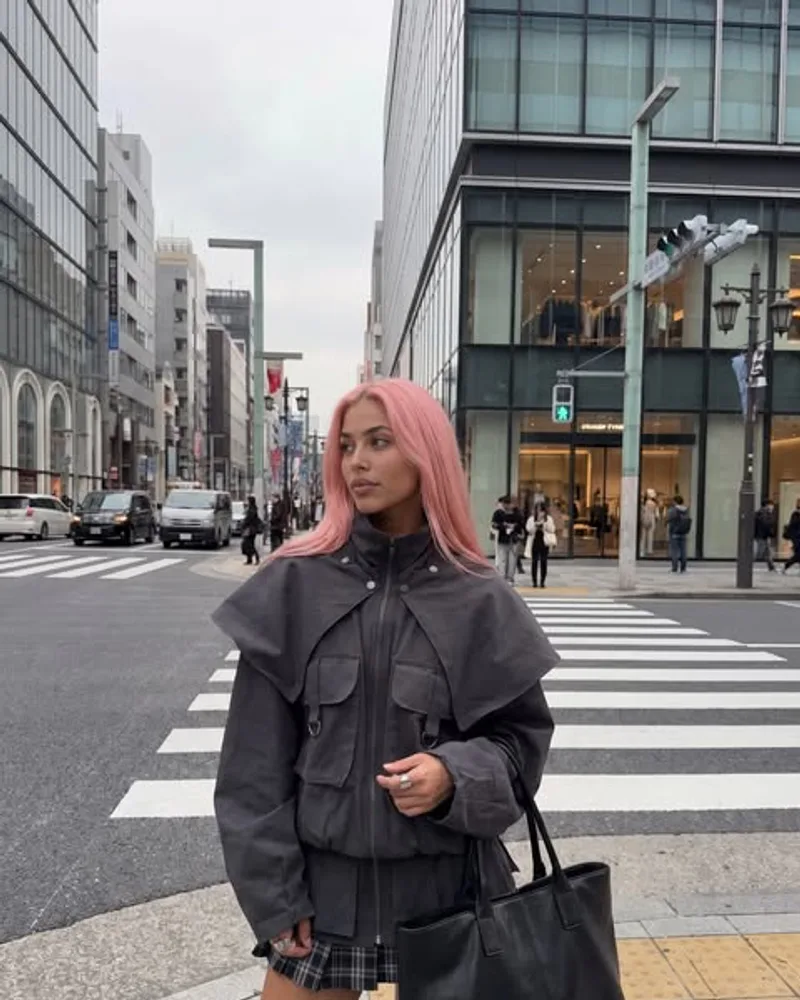
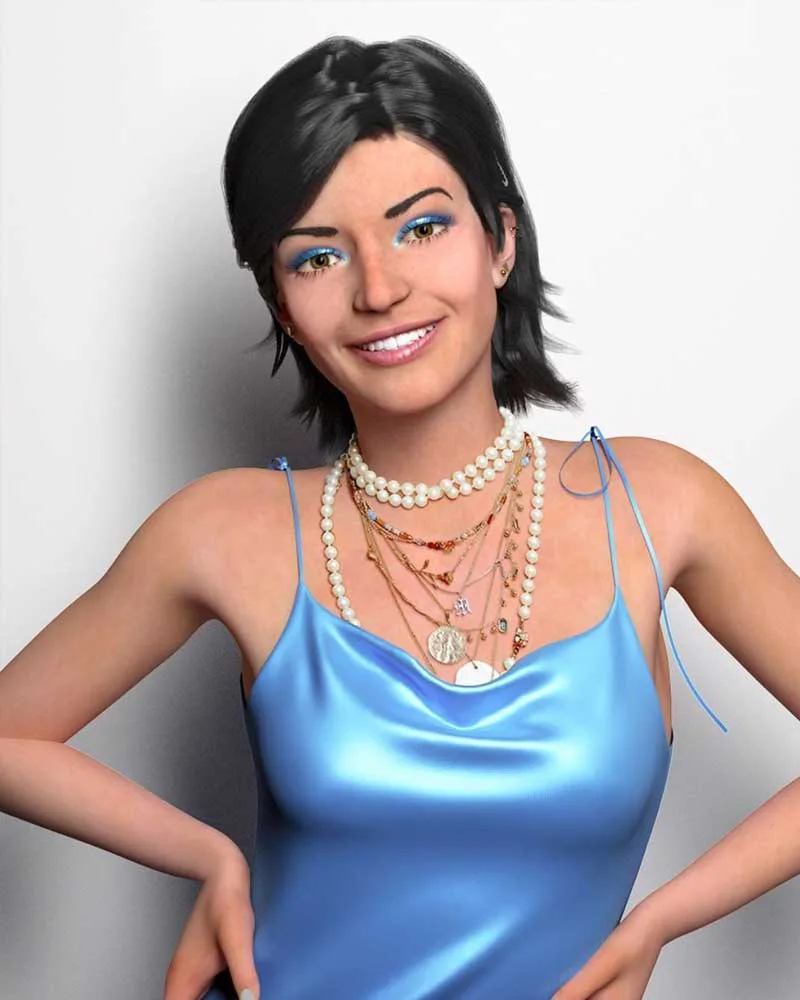
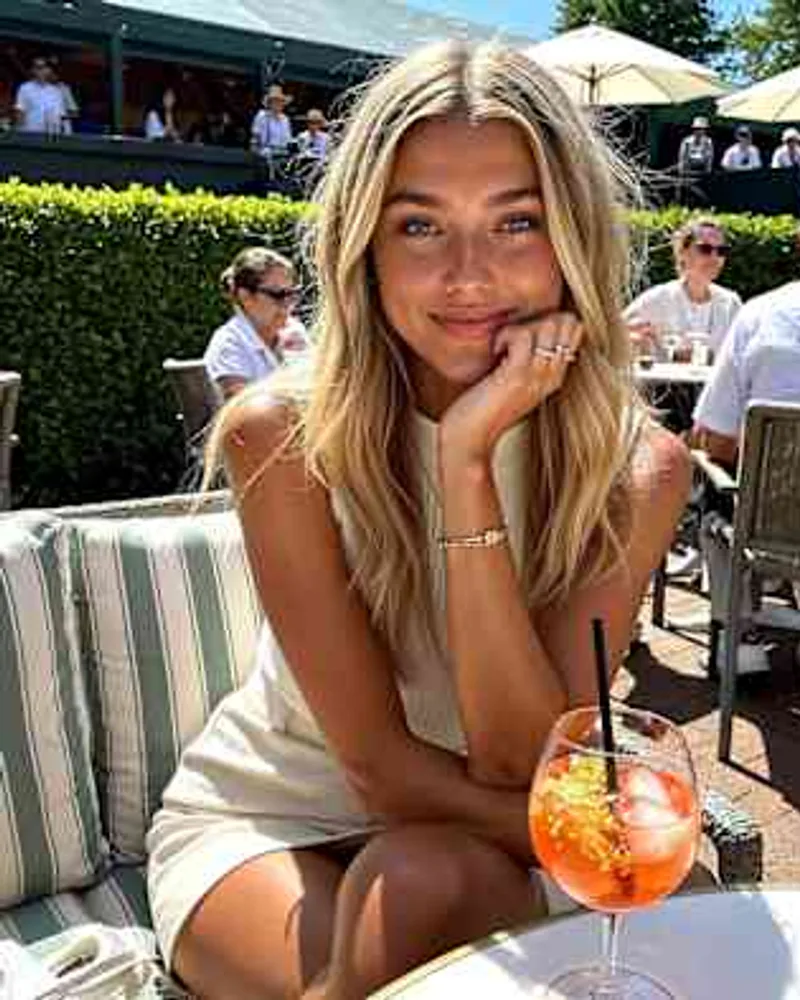
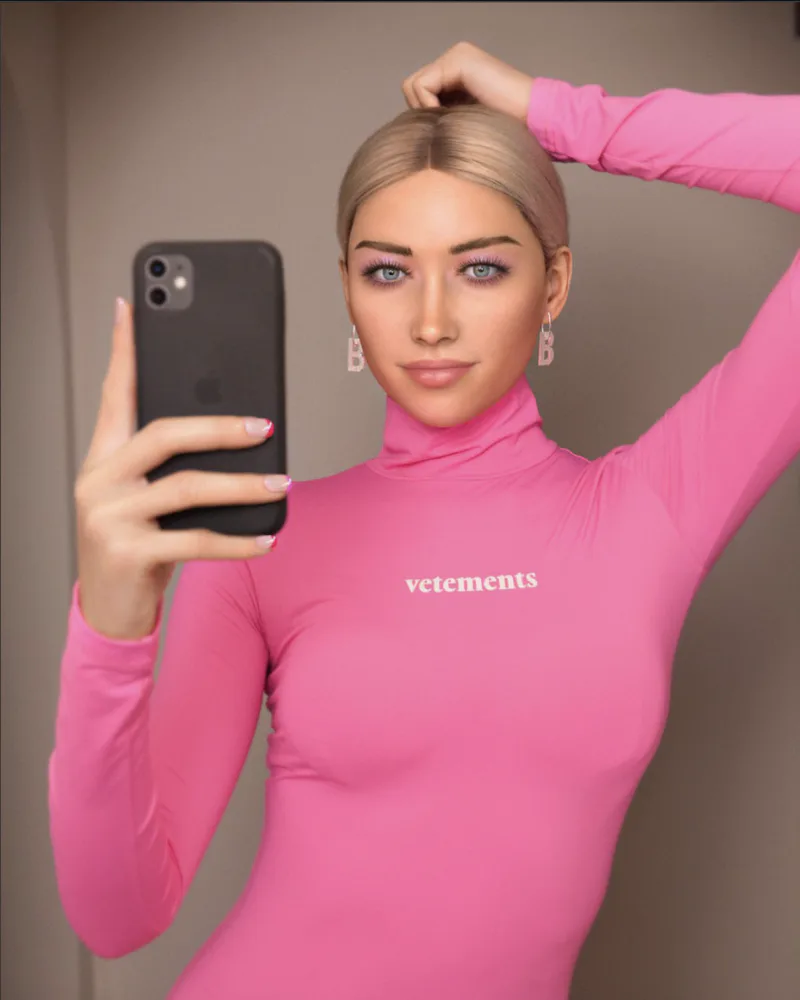


- 01
Lil Miquela
A long-running virtual character whose music, fashion, fictional biography, and social storytelling made the identity feel larger than a single campaign.
- 02
Shudu
A digital fashion model known for high-finish editorial portraiture. Her work also sharpened debate about authorship, representation, and who benefits from a virtual identity.
- 03
Imma
A Japanese virtual model with a recognizable pink bob and a feed that blends street fashion, art, city life, and commercial collaborations.
- 04
Noonoouri
A stylized virtual persona whose deliberately illustrated proportions, couture focus, activism themes, and music work show that realism is not the only route to recognition.
- 05
Aitana López
A Barcelona-based fictional fitness and lifestyle persona created by an agency, with a tightly repeated visual palette and content niche.
- 06
Lu do Magalu
A Brazilian retail character developed over many years across product education, entertainment, and social content rather than as a one-off photorealistic experiment.
- 07
Mia Zelu
A fictional creator whose sports and lifestyle posts demonstrate how event context can rapidly establish a digital personality—while also making clear disclosure especially important.
- 08
Bermuda
A virtual character built around an intentionally outspoken persona, recurring styling, and story connections with other digital characters.
The list above is descriptive, not an endorsement or performance ranking.
Why their visual identities become recognizable
The strongest virtual identities repeat a small number of signals: a clear niche, distinctive silhouette or facial markers, recurring color and wardrobe decisions, recognizable camera language, and a point of view that makes each post feel connected. Consistency is a direction, not a technical guarantee. Generated details can drift, so every image needs human review.
- Identity anchor: face, hair, age range, silhouette, expression, and boundaries.
- Visual grammar: repeated crops, light, color, styling, and environment families.
- Content promise: a reason to return beyond simply seeing another generated portrait.
- Disclosure and authorship: a clear distinction between a fictional identity, its creators, and any paid relationship.
A nine-post feed should feel like one life, not one repeated shot
Portraits, mirror styling, fitness, beauty, product context, travel, editorial fashion, work, and night-life scenes can share an identity while changing the reason each image exists.
Deconstruct the character before expanding the wardrobe
An identity board separates what should recur from what can change: identity portrait, makeup range, color system, outfit families, scene types, and content themes. This makes review more precise without promising perfect continuity.
The SEMrush content foundation, preserved
Influential AI model types and the content systems behind them
The following chapters retain the supplied keyword structure and practical guidance while correcting product boundaries and absolute consistency claims.
Fashion editorial AI models
The fashion editorial AI model is one of the most influential AI influencer styles because it looks instantly premium. This model type is built around polished poses, dramatic lighting, stylized outfits, and campaign-ready photography. It works well for creators who want to produce AI photos that feel closer to a magazine shoot than a casual feed post.
For brands, the appeal is obvious. A fashion-focused AI model can showcase outfits, accessories, color palettes, and seasonal aesthetics without requiring a physical photoshoot every time. For solo creators, it offers a way to develop a recognizable visual identity that can be used across Instagram posts, lookbooks, Pinterest-style content, and promotional graphics.
With AI Influencer Generator, this archetype starts with a strong character definition. You might define the model’s face shape, hairstyle, wardrobe style, preferred poses, lighting direction, and location themes. Then, using a tool such as the AI Photo Generator, you can create variations that feel new while still belonging to the same character universe.
To make this AI model style work, focus on:
- Signature styling: Give the model a repeated fashion language, such as minimalist tailoring, futuristic streetwear, soft luxury, or bold runway looks.
- Consistent composition: Use similar camera angles, lighting moods, and framing across sets of images.
- Brand-safe variation: Change outfits and environments while using the saved character and reference image to improve continuity; review the face, body, and styling because generated details can drift.
- Editorial detail: Add context through accessories, fabric textures, backgrounds, and confident posing.
This is the category where many people first notice ai models famous online. The visuals look expensive, polished, and instantly shareable, which makes the fashion editorial AI model a natural entry point for creators building a high-end digital presence.
Lifestyle AI influencers
The lifestyle AI influencer is built for everyday connection. Instead of looking like a runway campaign, this AI model might appear in coffee shops, apartments, city streets, beaches, bookstores, or casual weekend settings. The goal is not only to look impressive; it is to feel familiar enough that followers can imagine the character as part of a real content routine.
This type of model is powerful because it supports a wide range of AI influencer content. You can create morning routine posts, travel snapshots, outfit checks, desk setups, casual portraits, product placements, and seasonal lifestyle scenes. The character becomes a flexible narrator for visual stories.
AI Influencer Generator is especially useful here because lifestyle content depends on continuity. A saved fictional adult character can be reused across everyday situations, but it does not guarantee the same face or body in every result. Compare each image with the identity reference and reject or regenerate visible drift before the media enters a feed.
A practical lifestyle workflow looks like this:
- Create a fictional adult base character with clearly defined facial markers, age range, style, and personality, then save the approved identity reference.
- Choose three to five recurring environments, such as home, café, gym, street, and travel location.
- Build prompt templates for common post types, such as “casual selfie,” “outfit mirror shot,” or “walking through the city.”
- Generate image sets in batches so the feed has visual rhythm.
- Review every AI photo for consistency before publishing or scheduling.
For creators researching famous ai models instagram, this is one of the most practical lessons to copy: the strongest accounts often feel like they have a life, not just a gallery. Lifestyle scenes give the model context, and context makes the character easier to follow.
Beauty-focused AI models
Beauty-focused AI models depend on detail. The face, skin texture, lighting, makeup, expression, and camera distance all matter more because the viewer is usually looking closely. This makes the category demanding, but also extremely useful for creators who want to build content around makeup looks, skincare routines, hair styling, cosmetics concepts, or visual moodboards.
A beauty AI model should be created with a clear visual identity from the beginning. Decide whether the character is soft and natural, glamorous and polished, experimental and artistic, or clean and minimal. If that identity changes too sharply between posts, the content can feel disconnected.
The AI Character Generator can help shape a consistent base persona, while AI Influencer Generator can support repeated image creation for campaign-style content. You can test variations in lipstick color, lighting, background, product placement, and expression without rebuilding the character each time.
Useful beauty AI model prompts often include:
- Close-up portrait framing with natural, studio, or editorial lighting.
- Specific makeup direction, such as dewy skin, graphic eyeliner, glossy lips, or no-makeup makeup.
- Hair styling details, including texture, length, color, and accessories.
- A clean background or beauty set that does not distract from the face.
- Repeated character markers, such as eye shape, freckles, hairstyle, or signature expression.
Because this niche is so face-driven, continuity needs deliberate review. The model should aim to remain recognizable across a product-inspired post, tutorial-style visual, or campaign concept, yet makeup, skin texture, facial details, and products can change unexpectedly between generations.
Fitness AI models
Fitness AI models are influential because they combine visual aspiration with repeatable content formats. A single character can appear in gym sessions, outdoor runs, yoga poses, activewear campaigns, meal-prep scenes, recovery routines, and motivational posts. The content naturally lends itself to series, which is important for long-term social growth.
The challenge is to keep the visuals realistic and coherent. Fitness imagery can easily become exaggerated if the prompt is too vague or extreme. A better strategy is to define the model’s athletic niche, such as strength training, pilates, running, wellness, mobility, or outdoor adventure. Then build content around that niche rather than trying to make one character represent every possible fitness identity.
AI Influencer Generator can support this by reusing a saved fictional adult character across different workout settings. It can improve continuity, but it does not promise identical facial structure, body proportions, pose accuracy, or activewear details. Treat each result as creative media that requires human review, not as fitness or health evidence.
Strong fitness AI model content can include:
- Training moments: Squats, stretching, treadmill scenes, mat workouts, or outdoor movement.
- Lifestyle context: Gym bag shots, hydration moments, post-workout café scenes, or rest-day images.
- Activewear styling: Consistent colors, cuts, and accessories that make the model visually recognizable.
- Motivational captions: Short messages that match the character’s tone without making unsupported health claims.
- Progressive series: Weekly themes, challenge visuals, or seasonal fitness campaigns.
This archetype works best when it avoids overpromising. The AI model can inspire a mood, style, or routine, but the content should remain clearly creative and responsible. When handled well, it becomes a strong example of how famous ai models can influence not only fashion aesthetics but also lifestyle categories.
Travel AI models
Travel AI models are built around atmosphere. The character matters, but the setting is equally important: city streets, coastal roads, hotel balconies, mountain viewpoints, museums, airports, markets, and sunset terraces all become part of the story. This makes the travel archetype ideal for creators who want cinematic, location-rich AI photos.
The key is not to generate random vacation images. A strong travel AI influencer has a recognizable way of experiencing places. Maybe the character is a luxury traveler, a backpacker, a digital nomad, a fashion-forward city explorer, or a calm wellness retreat persona. Once that role is defined, every destination scene can support the same identity.
AI Influencer Generator lets you reuse a saved fictional adult character while changing the scene prompt and reference direction. That can make a varied travel set feel more connected, although facial details, geography, architecture, and travel objects can still drift and must be checked before use.
To build better travel AI model content, define:
- The character’s travel style, such as luxury, adventure, culture, beach, city, or wellness.
- A consistent wardrobe system that fits the niche and still changes by scene.
- Recurring photo styles, such as candid walking shots, balcony portraits, café scenes, and scenic overlooks.
- A clear color mood, such as warm Mediterranean, cool urban, tropical bright, or muted cinematic.
- Caption themes that connect the image to a point of view, not just a place name.
For brands, this archetype can support hospitality concepts, travel moodboards, tourism-style visuals, and destination-inspired campaigns. For creators, it offers one of the most flexible ways to make ai models famous in a niche without depending on a single location or format.
Virtual persona models
Some AI models are most influential because they do not try to look fully realistic. Gaming, anime-inspired, cyberpunk, fantasy, sci-fi, and virtual persona models often succeed by leaning into their digital nature. These characters can be bold, stylized, and visually impossible in ways that would not fit a traditional lifestyle influencer.
This category is ideal for creators who want a stronger character concept. Instead of simply designing a person who posts outfits, you can create a model with a world, role, aesthetic, and visual lore. The character might be a streamer-inspired avatar, futuristic musician, digital fashion muse, fantasy traveler, or virtual host for a community.
AI Influencer Generator can help turn that concept into a consistent visual system. The important step is to document the character rules. If the model has neon hair, metallic accessories, cyberpunk makeup, or a specific costume silhouette, those elements should appear often enough that people remember them.
A virtual persona model benefits from a simple character sheet:
- Name and niche: What the model represents and who the content is for.
- Visual markers: Hair, eyes, clothing, accessories, color palette, and silhouette.
- World design: City, fantasy realm, digital studio, gaming room, or futuristic environment.
- Content formats: Portraits, story scenes, product visuals, event posters, or social banners.
- Tone of voice: Playful, mysterious, cinematic, humorous, rebellious, or elegant.
This is where AI creator tools become especially powerful. A stylized model can stretch beyond standard photography while still supporting social content, profile visuals, merch concepts, and campaign assets. The result is not just an AI photo; it is a recognizable digital identity.
Niche and micro-influencer AI models
The micro-influencer AI model does not need to look like a global celebrity. Its strength is specificity. It might be a plant-care creator, book lover, sustainable fashion fan, coffee reviewer, student lifestyle account, pet-focused persona, local city guide, or productivity creator. The audience is smaller by design, but the content can feel more targeted and useful.
This model type is often the most accessible starting point for brands and independent creators. Instead of asking, “How do we create one of the most famous ai models?” the better question is, “What specific audience do we want this AI character to serve?” A focused answer leads to better prompts, clearer visuals, and more relevant posts.
AI Influencer Generator supports micro-influencer concepts by letting creators reuse a saved fictional adult character across image prompts built around a narrow theme. A coffee-focused AI model can appear in cafés, kitchens, and morning routines; a book-focused model can appear with reading corners, shelves, notebooks, and libraries. Continuity is an aim rather than a guarantee, and any branded or specific product needs an authorized reference and detail review.
Micro-influencer AI models work well when they include:
- A niche that can produce many post ideas.
- A character style that fits the audience’s taste.
- Repeatable environments and props.
- Simple caption angles that feel useful or entertaining.
- A realistic posting system built from batches of consistent AI photos.
This archetype is important because influence does not always mean mass attention. Sometimes the strongest AI influencer content is the most specific. A narrow model can be easier to position, easier to brief, and easier to maintain over time.
Brand ambassador AI models
A brand ambassador AI model is designed to represent a product, service, or visual identity over time. Unlike a one-off promotional image, this model becomes a repeatable face for campaigns. The character can appear in launch graphics, seasonal posts, social ads, product mockups, email visuals, and landing page creative.
The main advantage is control. A brand can define the model’s visual tone, styling, audience fit, and content boundaries. If the brand needs a polished studio image one week and a casual lifestyle image the next, the same AI character can appear in both contexts when the identity is built properly.
With AI Influencer Generator, a brand ambassador concept can begin with a clear creative brief. Define the fictional adult model’s role, audience, colors, settings, and image needs. Build and save the character, then use the consistent-character photo workflow for new scenes or the separate product-photo workflow when an authorized product reference must appear. Neither workflow guarantees exact identity or product reproduction.
A strong AI brand ambassador brief includes:
- The brand personality the model should express.
- The character’s visual profile and style limits.
- Approved environments, props, and wardrobe themes.
- Image formats needed for social, web, ads, or email.
- Rules for consistency, including face, pose style, lighting, and color palette.
This type of model can be especially useful for early-stage brands that need a flexible visual presence. It can also help agencies produce concept work quickly before investing in a larger production. The key is to treat the AI model like a creative asset with guidelines, not a random image prompt.
Product-led AI models
Product-led AI models are built to showcase items naturally. The model might hold a skincare bottle, wear a jacket, sit beside a tech accessory, style a handbag, or interact with a home décor item. The goal is to make product visuals feel more human, contextual, and social-friendly.
This model type is influential because social commerce depends heavily on visual imagination. People want to see how a product could fit into a lifestyle, not only what it looks like on a blank background. A consistent AI model can help create that bridge by giving products a repeatable visual host.
AI Influencer Generator can be used to create a character whose style aligns with the product category. A minimal beauty brand might choose a clean, soft-lit model. A streetwear label might build an edgier urban character. A wellness product might use calm settings, natural light, and relaxed poses.
To create stronger product-led AI influencer content, focus on:
- Product visibility without making the image feel forced.
- Natural hand positions, poses, and expressions.
- A setting that explains the use case.
- Visual consistency between the model and the product category.
- Caption ideas that describe context rather than making unsupported claims.
This is one reason searches around famous ai models instagram often overlap with brand interest. The most memorable digital models are not only visually appealing; they can also become flexible product storytellers.
Cinematic storyteller AI models
The cinematic storyteller AI model is designed around scenes rather than simple portraits. Each AI photo feels like a still from a film, editorial story, or character-driven campaign. This archetype is influential because it creates mood, curiosity, and narrative potential.
A cinematic AI model might appear under neon city lights, in a quiet train station, on a rainy street, inside a retro apartment, or at a dramatic desert location. The character’s expression, wardrobe, lighting, and environment all work together to suggest a story. This format is especially effective for creators who want their AI influencer content to feel artistic instead of purely promotional.
AI Influencer Generator can help keep the character recognizable across different scenes. That continuity allows the audience to follow the visual world. Without it, cinematic images can look beautiful but disconnected.
A simple cinematic content plan might include:
- A central character with strong visual markers.
- A recurring mood, such as noir, romantic, futuristic, nostalgic, or surreal.
- Locations that feel connected by color, lighting, or theme.
- Captions written as short story fragments, reflections, or scene notes.
- Image batches planned like episodes, not random posts.
This model type is ideal when you want depth. It gives followers something to interpret and remember. For creators exploring ai models famous in artistic communities, cinematic storytelling offers a path that is less about realism and more about atmosphere.
How to choose the right AI model concept
Choose the AI model style that matches your audience, content workload, and visual goals. If you need polished campaign visuals, start with a fashion editorial or brand ambassador model. If you want frequent social posts and relatable engagement, a lifestyle or micro-influencer model may be easier to maintain. If your concept depends on imagination, a gaming, virtual persona, or cinematic storyteller model gives you more creative room.
Before generating a full content library in AI Influencer Generator, define the character’s purpose. A clear purpose prevents the model from drifting across too many styles. It also makes prompts easier to write because every image has a reason to exist.
Use this quick selection checklist:
- Audience: Who should recognize, enjoy, or follow this AI model?
- Niche: What topic can the character post about repeatedly?
- Visual identity: Which face, fashion style, color palette, and setting should stay consistent?
- Content formats: Do you need portraits, lifestyle scenes, product shots, campaign images, or story visuals?
- Publishing rhythm: Can the concept support enough AI photos for a regular feed?
- Brand fit: Does the model’s personality match the product, community, or message?
- Creative boundaries: What should the model never look like, say, imply, or promote?
Once those choices are clear, the production process becomes easier to review. Use the guided character builder to create and save a fictional adult identity, then hand that character to the consistent-character photo workflow for new scenes. Product-led images and video use separate workflows, each with its own inputs and review requirements.
The best AI models are usually built through systems, not luck. A single image can look impressive, but consistency requires a process. If you want to create famous ai models or simply make AI models famous within a focused niche, you need a repeatable method for developing the character and reviewing the output.
Start with the character before the content calendar. Define the model’s physical traits, wardrobe, niche, tone, and visual world. Then create a small test batch of AI photos to see whether the character remains consistent across different settings. Only after that should you scale into post ideas, product visuals, or campaign assets.
An eight-step workflow for your own fictional AI model
A simple workflow inside AI Influencer Generator can look like this:
- Build the base character: Define the model’s face, hair, body type, age range, style, and overall presence.
- Create a visual guide: Save prompt language for lighting, camera angle, wardrobe, setting, and recurring details.
- Generate test images: Produce several AI photos in different scenarios and compare character consistency.
- Refine the prompt: Remove vague wording, strengthen recurring traits, and clarify the niche.
- Batch content themes: Create image sets for fashion, lifestyle, products, travel, or storytelling.
- Review before publishing: Check for visual drift, odd details, mismatched styling, or unclear brand fit.
- Turn images into content: Add captions, post formats, carousel ideas, and campaign angles.
- Update the system: Keep what works and document changes so future images stay aligned.
This workflow is useful whether your goal is a personal project, an agency concept, or a brand content system. It gives you a reusable identity reference and a repeatable review process, but it cannot guarantee that every generated image will preserve the same face, body, clothing, object, or background.
Rights, disclosure, and human review are part of the workflow
Create fictional adults or use identity and product inputs you have permission to use. Do not imply a real endorsement, hide a commercial relationship, or publish a generated image as exact product evidence. Check the commercial-use guidance and AI disclosure guide, then apply the rules of the channel and market where you publish.
For US campaigns, review the FTC’s influencer disclosure guidance and the platform’s current synthetic-media labeling rules. AI Influencer Generator creates characters and media; it does not publish, schedule, manage comments or direct messages, report Instagram Analytics, or guarantee audience growth.
Continue through the AI influencer system
Use a specific tool, guide, or trust page for the next decision.
Famous AI models: questions creators ask
What does famous AI models mean on this page?
Here, AI models means virtual influencers and digital models: fictional social-media characters represented through generated or computer-created imagery. It does not mean foundation models or large language models such as GPT or Claude.
Are the images on this page the eight famous virtual influencers?
Yes. The editorial gallery uses credited images from the named virtual influencers’ official pages or established profile coverage so readers can identify the characters being discussed. The images are third-party editorial references, not AI Influencer Generator outputs, customer work, endorsements, or proof of a partnership.
Can AI Influencer Generator keep a character perfectly consistent?
A saved character and repeated references can help improve continuity, but outputs may still vary in facial details, hands, clothing, products, lighting, and environments. Review every result and regenerate or edit anything that drifts.
Does AI Influencer Generator publish to Instagram or manage an account?
No. The platform supports fictional adult character and media creation. Publishing, scheduling, comments, direct messages, account management, audience growth, and analytics happen in Instagram or another tool you choose.
Can I use an AI influencer for commercial content?
That depends on your rights to every input and output, the terms that apply to your account, the product claims you make, local law, and platform rules. Use authorized material, disclose synthetic content and paid relationships where required, and review the current commercial-use guidance before publishing.
The most influential AI models succeed because they combine visual consistency with a clear reason to exist. They have a niche, a style, a point of view, and enough creative structure to appear again and again without feeling random. That is the difference between generating AI photos and building AI influencer content people can recognize.
AI Influencer Generator supports the character and media-creation part of that bigger goal. Whether you are inspired by famous ai models instagram, researching famous ai models, or planning an original niche persona, the right starting point is a fictional adult identity, authorized inputs, clear creative rules, and human review.
Explore AI Influencer Generator to create a fictional adult AI model and generate reviewed media for influencer concepts, brand campaigns, and creative storytelling. Publish, schedule, moderate, and measure the content in Instagram or another external tool.
Start with one original fictional adult—not a copy of someone famous.
Define the identity first, save the character, then build reviewed scenes around a clear niche and content promise.
Plan Content
Measure Engagement
Build Your Profile
Price Your Work
Write Post Copy
Brand Partnerships