
Fake Person Images
Create original fake person images for campaigns, concepts, and social content without hiring a model or searching stock libraries.
Create a fictional personNeed a starting point? Try a sample brief

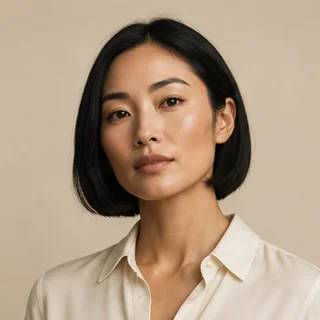


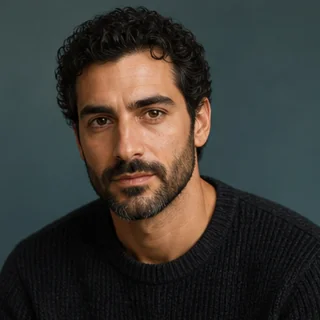
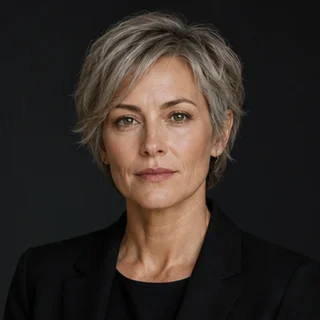


What fake person images are
AIInfluencerGenerator.ai helps creators, marketers, founders, and agencies develop imaginary characters and fake profile pictures around a clear brand idea. Test and refine the direction before publishing responsibly.
Create fake person images around your audience and campaign: a founder, lifestyle creator, fitness persona, fashion muse, gaming avatar, or UGC-style spokesperson. Give the fictional adult a role and visual style. Review for accidental resemblance, and use the result for fictional branding, concept testing, or storytelling—not impersonation.
That distinction matters. A strong fake profile picture is not just “a face.” It supports a persona, a message, and a channel. If your landing page, ad mockup, app demo, or influencer concept needs a consistent visual identity, AI tools can make the process faster and more flexible while keeping your creative direction under your control.
Use AIInfluencerGenerator.ai to:
- •Generate original fake person images for fictional profiles, campaigns, mockups, and brand concepts.
- •Explore multiple looks before committing to a final imaginary character.
- •Choose a strong direction that can guide profile photos, lifestyle images, and social-style creative in a later consistent-character workflow.
- •Create campaign-ready inspiration when stock images feel too generic or overused.
- •Support content planning for AI influencers, avatars, and digital personas.
- •Develop fake profile pictures that match your niche, tone, and visual style.
The best imaginary characters feel intentional. They have a visual style, a content angle, and a reason to exist within your brand world. A travel avatar should not look like a corporate headshot. A luxury beauty persona needs different styling than a gaming creator, a wellness coach, or a streetwear model.
AIInfluencerGenerator.ai is built around that creative need. It introduces the AI Influencer Generator product as a practical AI tool for shaping digital personas from the ground up. You can think beyond a single image and start planning how the character should appear across different campaign moments: profile image, hero visual, social post, product placement, lifestyle scene, or avatar concept.
This approach is useful when you want speed without losing direction. Instead of browsing endless stock photo pages, you can define the character’s mood, category, and visual presence. The tool becomes part of your creative workflow, helping you move from vague idea to usable asset with fewer dead ends.
From a random face to a character direction
A stronger character brief can include:
- •The character’s niche, such as fashion, fitness, beauty, travel, tech, gaming, food, or entrepreneurship.
- •The overall visual mood, such as editorial, casual, luxury, playful, minimalist, cinematic, or creator-style.
- •The intended platform, such as Instagram, TikTok, YouTube, a landing page, an app demo, or a pitch deck.
- •The image purpose, such as fake profile pictures, campaign visuals, product mockups, or fictional influencer content.
- •The level of realism you want, from polished studio portrait to everyday social media snapshot.
- •The brand boundaries, including what the character should never imply, represent, or imitate.
Modern AI tools are valuable because they let teams test visual directions before spending heavily on production. For a startup, that might mean creating placeholder profile images for an app prototype. For an agency, it could mean presenting several fictional influencer concepts to a client. For a creator, it may mean building a consistent avatar before committing to a full content style.
The AI Influencer Generator fits naturally into this workflow because it is focused on digital persona creation. The direct workflow creates one reviewable image. After selecting and saving a character direction, the separate Consistent Character Photo workflow can support related outfits, settings, moods, and content formats, although results can still vary.
That flexibility helps teams answer practical questions early. Does this persona feel premium or approachable? Does the profile photo match the landing page copy? Would this character make sense for a skincare brand, a fitness supplement, a creator education offer, or a fashion campaign? When you can explore those answers visually, your creative decisions become easier to discuss and refine.
What you can create
AI image workflows are especially helpful for:
- •Campaign ideation: Quickly visualize fictional spokespeople, creators, and audience archetypes.
- •Brand positioning: Compare different character styles before choosing one direction.
- •Social content planning: Map how an AI influencer or avatar might appear across posts.
- •Product mockups: Add human context to demos, onboarding screens, ads, and concept pages.
- •Pitch materials: Show stakeholders a believable creative route instead of describing it abstractly.
- •Profile creation: Produce fake profile pictures for fictional accounts, prototypes, or creative projects.
A blank page can slow down even experienced creative teams. You may know you need a face for a campaign, but not know whether that face should feel aspirational, relatable, niche, bold, understated, or highly polished. AIInfluencerGenerator.ai helps you structure that decision by connecting the image to the persona behind it.
Start with the role the character will play. An imaginary character for a fintech app might need to feel trustworthy and modern. A fictional fashion creator may need sharper styling, stronger poses, and an editorial look. A wellness persona might work better with soft lighting, natural settings, and approachable expressions.
Once the role is clear, the image becomes easier to direct. You are not simply asking for fake person images; you are creating a visual representative for a specific scenario. That creates better outcomes because every choice has a purpose.
Choose the job for your fictional person image
Start with the placement. An original creator needs a reusable identity; a demo needs a clear role; a fictional story needs a character who belongs in its world.
Original creators
Write an adult identity brief, choose a niche, and review a first portrait. Keep facial features and signature styling separate from the outfit or location you plan to change.
Example brief: an original adult travel creator in her thirties, short curly hair, round glasses, a worn denim jacket, and a train-platform setting.
Demo people
Use a fictional presenter or sample profile for a prototype, onboarding walkthrough, or internal training slide. Match the crop to the layout and label sample people clearly.
Example brief: an adult workshop presenter, relaxed expression, navy overshirt, waist-up framing, and a plain office wall. A demo portrait is not a customer review.
Fictional character assets
Create cast concepts, story portraits, or editorial illustrations. Define the era, role, wardrobe, and visual style before generating an image.
Example brief: an adult botanical explorer, weathered field jacket, notebook tucked under one arm, and a misty greenhouse. Keep the character fictional when publishing.
Prompt → fake person image
Describe one original fictional adult, the role they play, the intended placement, styling, mood, setting, and light. Studio returns one image to review.
Original fictional adult wellness creator, early thirties, calm expression, natural skin texture, soft morning window light, neutral wardrobe, editorial profile framing, brand-neutral background.
Need a fake profile picture or a single campaign image? Edit a sample brief and take it into image Studio. Building an AI influencer for recurring posts? Create and save your character first, then use that identity for future images.
Create your AI influencerChoose a prompt starting point
Sample prompts to edit, not recorded inputs for the gallery. Your brief carries into Studio; generation starts only when you submit there.
Use this brief in StudioA six-step workflow
A simple workflow looks like this:
- 01
Choose the use case. Decide whether the image is for a fake profile picture, ad creative, social concept, website visual, app mockup, or AI influencer identity.
- 02
Define the character. Outline the persona’s niche, age range if relevant, styling direction, expression, energy, and content category without copying a real person.
- 03
Select the setting. Choose a backdrop that supports the message, such as a studio, city street, home office, gym, cafe, beach, event space, or product scene.
- 04
Generate variations. Explore different angles, lighting, outfits, and moods so you can compare creative directions.
- 05
Refine for consistency. Keep and save the strongest direction, then use the separate Consistent Character Photo workflow for supporting images. Review every result because identity details can vary.
- 06
Use responsibly. Present the character as fictional where appropriate and avoid any use that could mislead people into believing it is a real individual.
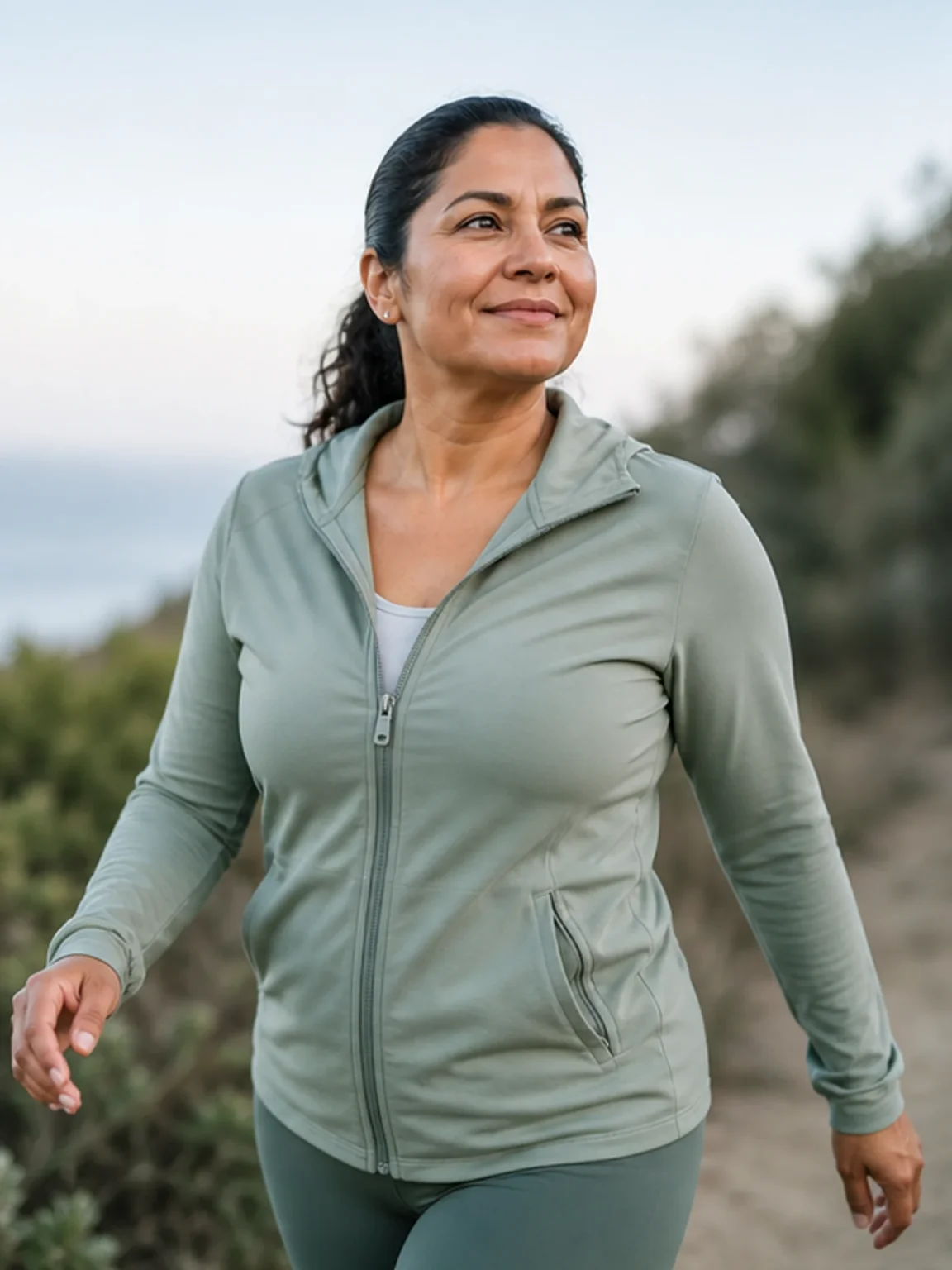
Use cases by team
Fake person images are useful across many creative roles, but the goal changes depending on the project. A solo creator may want a fictional face for a new AI influencer concept. A SaaS team may need user portraits for a product walkthrough. An agency may need to pitch several campaign territories without booking a shoot before the client approves a direction.
AIInfluencerGenerator.ai supports those early and middle stages of creative development. It gives teams a way to experiment with imaginary characters before deciding what deserves more time, budget, or production attention. The value is not only speed; it is the ability to compare ideas visually and align people around a concrete direction.
This page is a strong fit for:
- •AI influencer creators who want a fictional persona with a consistent look and niche.
- •Social media teams building visual concepts for content calendars, campaigns, or mock feeds.
- •Startup founders who need human-style visuals for prototypes, pitch decks, or landing pages.
- •Agencies developing campaign concepts, brand characters, or influencer-style creative routes.
- •Product marketers creating demo assets where real customer photos are not appropriate.
- •Designers replacing generic placeholders with more intentional fictional profile visuals.
- •Content strategists testing how different character styles affect the feel of a message.
Stock photo vs original fictional person
- Stock search
- Fast to browse, but the same face may appear across unrelated brands.
- Original direction
- More control over role, mood, styling, placement, and creative boundaries.
Stock photography can be useful, but it often comes with creative limits. The same face may appear across unrelated brands. The pose may be close but not quite right. The setting may feel dated, staged, or disconnected from your product. When your campaign depends on a specific persona, those compromises add up.
Fake profile pictures created with AI tools give you more control over the visual brief. You can pursue a narrower look, explore more variations, and avoid relying on images that audiences may have seen elsewhere. For teams building fictional brands, avatars, or AI influencers, that control can make the difference between a forgettable placeholder and a character people can immediately understand.
This is especially helpful when your concept needs continuity. A profile picture, banner image, post visual, and product scene should feel related. If every asset comes from a different stock source, the character identity can fall apart. AIInfluencerGenerator.ai helps you think in sets, not just single images.
Common stock-photo problems this workflow helps reduce:
- •Faces that look familiar because they appear on many websites.
- •Images that almost match the concept but miss the exact mood or niche.
- •Inconsistent lighting, styling, or personality across assets.
- •Limited options for fictional influencer or avatar concepts.
- •Placeholder visuals that weaken a pitch, prototype, or campaign preview.
- •Extra time spent searching instead of developing the creative idea.
One identity across contexts
Consistency is one of the hardest parts of building imaginary characters. A single portrait may look good, but the character has to keep making sense when the context changes. If the profile photo feels minimalist and premium, but the lifestyle image feels chaotic and unrelated, the persona becomes less believable as a creative asset.
The AI Influencer Generator is useful because it encourages you to treat the character as a small brand system. You can plan the visual identity before producing a long list of assets. That means thinking about wardrobe, color palette, facial expression, setting, framing, and content category as connected decisions.
Keep the persona recognizable across placements. A fictional beauty creator might appear in a profile picture, product scene, GRWM visual, and brand campaign. A business avatar might need a headshot, workspace image, and social banner. Consistent facial features and styling connect these assets.
Elements to keep aligned include:
- •Profile image style, such as close-up, studio, candid, or editorial.
- •Repeated visual cues, such as colors, accessories, grooming, wardrobe, or background type.
- •Content niche, so the character’s images support one recognizable theme.
- •Tone of expression, from friendly and casual to confident, refined, or energetic.
- •Platform context, because a LinkedIn-style avatar needs different cues than a TikTok-style creator.
- •Ethical presentation, especially when the character represents a fictional identity.
After choosing a direction, save the character and use the separate Consistent Character Photo workflow for more images. Identity can vary, so review every result.
Responsible use
Fake person images should be used with care. The purpose is to create original imaginary characters, not to impersonate real people, mislead audiences, or manufacture false personal proof. Responsible use protects your brand and helps audiences understand what they are seeing.
If a fictional persona is part of a public-facing project, consider how transparent you need to be. In some contexts, it may be obvious that the character is an avatar or campaign concept. In others, a clear disclosure may be the better choice. The right decision depends on the channel, audience expectations, and the role the image plays.
AIInfluencerGenerator.ai is best used as a creative tool for concepting, brand storytelling, and digital persona development. Treat the output as part of your visual strategy, not as a shortcut for fake trust. When the work is intentional and clearly positioned, imaginary characters can support strong creative without crossing into deception.
Use these images for appropriate creative purposes:
- •Fictional influencer concepts and avatar development.
- •Brand mascots, campaign characters, and social personas.
- •Mockups, prototypes, pitch decks, and concept presentations.
- •Placeholder visuals where real user photos are unavailable or inappropriate.
- •Creative testing before commissioning photography or final production.
- •Entertainment, storytelling, and world-building around original characters.
Avoid using them to:
- •Pretend to be a real individual.
- •Copy the appearance of a private person, celebrity, customer, employee, or creator.
- •Create fake testimonials, endorsements, reviews, or personal claims.
- •Misrepresent who is behind a business, account, or offer.
- •Evade platform rules, advertising standards, or disclosure expectations.
A landing page, app demo, or campaign mockup often needs a human face before the final strategy is complete. That is where AI-generated imaginary characters can be especially practical. They let you show the feeling of the idea while the team is still shaping the details.
For example, a wellness app could test a calm, modern fictional persona before commissioning photography. Use related images in a profile concept, onboarding preview, and social ad mockup. Compare whether the direction feels too clinical or too casual before investing in production.
That same process can apply to fashion, SaaS, creator education, gaming, beauty, coaching, food, and entertainment projects. Start with a clear creative role, generate focused variations, refine what works, and build a small set of visuals that tell the same story. Fake person images become more than placeholders; they become a way to make strategic decisions visible.
Fictional campaigns, mockups, prototypes, personas, and disclosed creative projects
Impersonation, fake reviews, testimonials, endorsements, or claims of real experience
Copying a private person, celebrity, customer, employee, or creator
Before and after generation
AIInfluencerGenerator.ai sits inside a broader shift toward faster visual experimentation. Teams now use AI tools for brainstorming, image generation, copy drafts, moodboards, video concepts, and social content planning. The strongest results usually come when those tools support a clear human decision, not when they replace one.
The AI Influencer Generator product is designed for that practical middle ground. It helps you turn creative direction into visual options, then choose the option that best supports your goal. You still decide the audience, message, positioning, and responsible use case. The tool helps you explore the visual side with less friction.
Before you generate, prepare:
- •A short description of the character’s role in the campaign.
- •The platform or placement where the image will appear.
- •The desired tone, such as premium, friendly, bold, soft, playful, or professional.
- •The niche or category the imaginary character belongs to.
- •Any visual boundaries that should be avoided.
- •A plan for how the image will be labeled, disclosed, or contextualized if needed.
After you generate, review:
- •Whether the face, styling, and setting match the intended audience.
- •Whether the image supports the copy and call to action around it.
- •Whether the character can stay consistent across future assets.
- •Whether the use case is ethical, transparent, and brand-safe.
- •Whether the image feels distinctive enough for the project.
Also check hands, anatomy, accidental resemblance, readable text, clothing, background details, and brand fit before publishing.
Fake person images FAQs
Answers for the current single-image workflow and responsible fictional-person use.
Are fake person images real people?
They are intended to depict fictional adults, but generated results can accidentally resemble real people. Review every image and do not present it as a real identity.
Can I create a fake profile picture from text?
Yes. Enter a written direction for one fictional adult and generate one image to review. Use it only for clearly fictional accounts, prototypes, mockups, or creative projects—not impersonation.
How do I keep the same fictional person consistent?
Choose and save the strongest character direction, then use the separate Consistent Character Photo workflow for supporting images. Identity can still vary, so review every output.
Can fake person images be used in campaigns and mockups?
They can support fictional campaigns, prototypes, mockups, pitches, and concept testing when you have the required rights, review the output, and follow relevant platform, disclosure, and commercial-use rules.
What uses should I avoid?
Do not impersonate a real person, copy someone’s likeness, fabricate reviews or testimonials, imply an endorsement, misrepresent who is behind an account or business, or evade platform and disclosure rules.
AI Influencer Image Generator
Create broader influencer-led social and campaign images.
Consistent Character Generator
Continue an approved character direction across more images.
AI Headshot Generator
Create professional headshot directions for fictional adults.
AI Selfie Generator
Explore social-first selfie framing and environments.
AI Disclosure
Review disclosure considerations for public AI-generated imagery.
Commercial Use
Review rights and publication checks before commercial use.
Build an original fictional adult from a clear direction.
If you need fake profile pictures, imaginary characters, or a complete AI influencer concept, AIInfluencerGenerator.ai gives you a focused place to start. Use it to explore character ideas, refine visual direction, and create original assets that support your campaign instead of settling for generic placeholders.
Bring your niche, audience, and creative goal. The AI Influencer Generator can help you turn that brief into a fictional persona with a look, mood, and purpose. Start building your next visual concept with AIInfluencerGenerator.ai and create fake person images that are intentional, flexible, and ready for responsible digital storytelling.
Plan Content
Measure Engagement
Build Your Profile
Price Your Work
Write Post Copy
Brand Partnerships