

Start with the identity
Customize more than a face
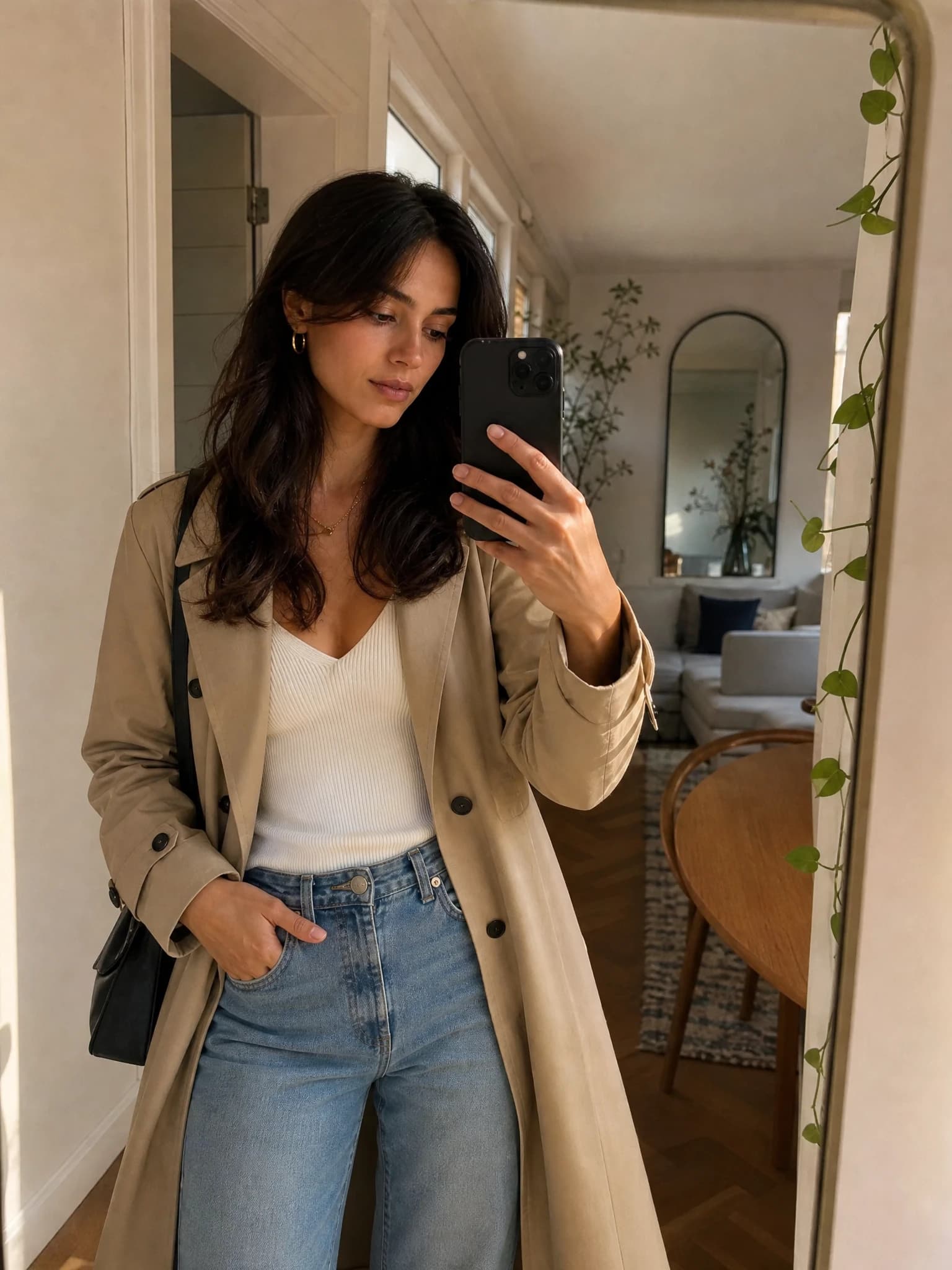
Customization is what turns a generic AI portrait into a character that can feel like your own. Begin with the influencer concept: fashion creator, fitness personality, beauty educator, gaming host, travel storyteller, wellness guide, or another focused digital persona. Then make the visible choices support that role.
Appearance
Face shape, hair, complexion, apparent adult age, and signature accessory
Style
Wardrobe family, color palette, grooming, environment, and camera behavior
Personality
Point of view, energy, boundaries, values, and recognizable tone
Niche
One useful territory such as fashion, fitness, beauty, travel, gaming, or wellness
Audience
A specific viewer with a recurring need—not everyone on social media
Content system
Repeatable themes, formats, actions, and visual cues that connect each post
The guided character flow helps establish visible traits and styling for a fictional adult. Persona voice, captions, scripts, audience definition, and publishing rules still need a clear human-owned brief. For a deeper blueprint, use the influencer persona guide.
Save one identity before making a content library
If the face changes in every post, the audience has no clear person to remember. Approve one character with a clear face, stable adult appearance, recognizable hair, and one or two signature details. Save it in Characters, give it a durable name, and keep the identity brief beside the content plan.
A saved character is an identity anchor, not a promise of pixel-perfect repetition. Generated faces, hands, clothing, proportions, and environments can vary. The consistent character workflow lets you place that saved creator into a new scene, pose, outfit, or campaign frame; every result still needs review. Compare the available identity workflows in the answer to what AI tool can create a consistent virtual influencer.
Turn my influencer into social photos
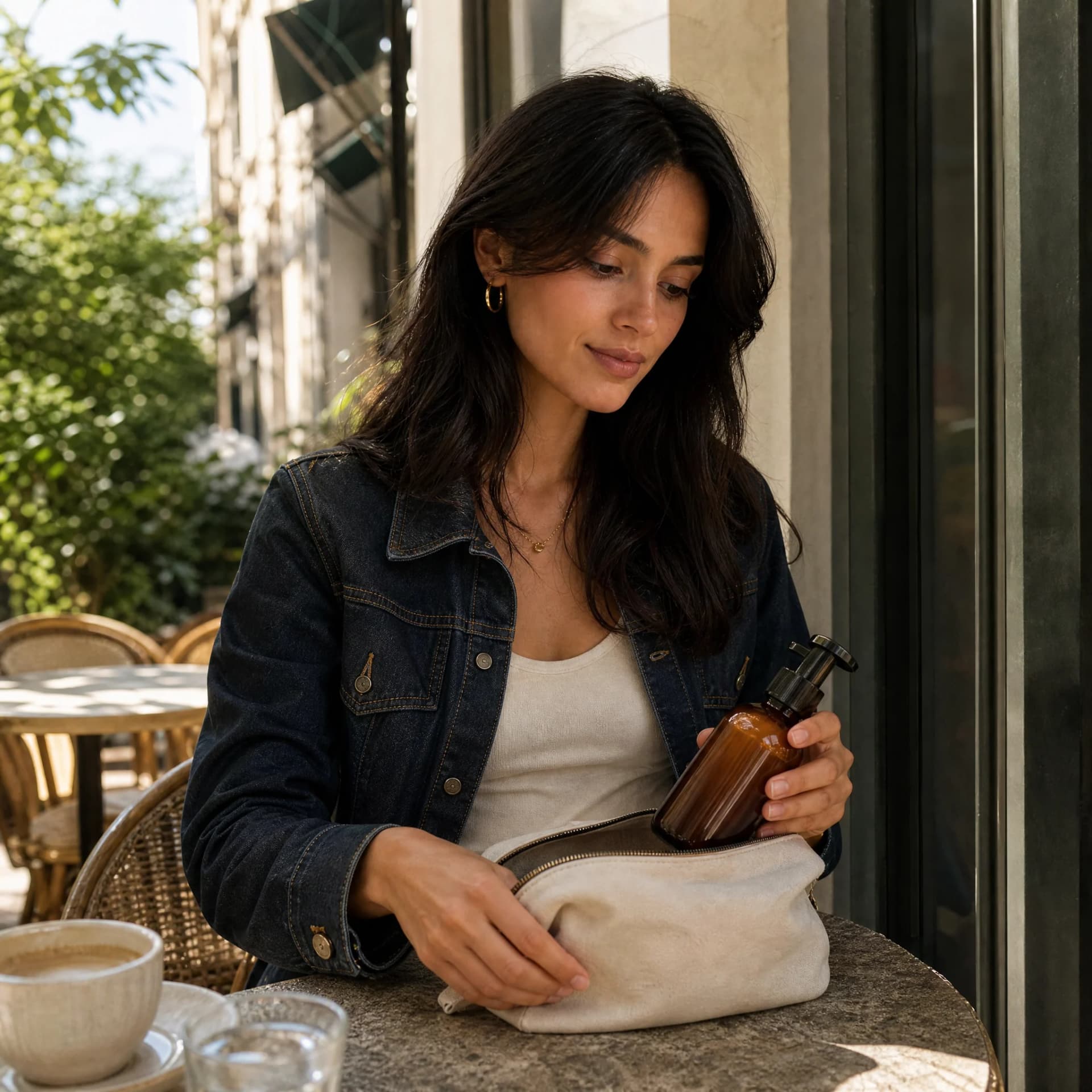
Once the identity is saved, generate photos for profile content, feed posts, lifestyle moments, product demonstrations, campaign concepts, or seasonal stories. Change the environment and action while protecting the character's recognizable identity signals.
A wellness creator might move from a natural profile portrait to a kitchen routine and an outdoor product moment. A fashion creator might use editorial portraits, street style, outfit details, and campaign frames. Each post should add a new chapter, not simply repeat the same centered pose.
Use the AI Influencer Image Generator for new visual directions and the Instagram post workflow for channel-specific planning.

Move the same character into short-video drafts
Video gives the influencer movement and a stronger sense of presence. Start with one visible action, one setting, and one emotional beat. Use short drafts for a Reel opening, lifestyle motion, product handling, reaction, or UGC-style concept, then review motion and identity before assembling a longer post.
One character, one believable action
This reviewed vertical draft uses the same fictional adult identity and an unbranded product moment. It demonstrates the input-to-output handoff; it is not a testimonial or a promise that every generation will match.
Use the AI Influencer Video Generator or the AI UGC Video Generator, then choose the duration and quality currently available in Studio.
Build repeatable posts around the influencer
A recognizable creator is the combination of look, tone, niche, and repeated content cues. Plan recurring themes such as outfit notes, daily routines, product moments, travel scenes, fitness updates, tutorials, or behind-the-scenes concepts. Vary the story while keeping the character's core identity legible.
Clear face, recognizable crop, stable identity, concise positioning.
Connected scenes, useful series, varied compositions, intentional visual rhythm.
One action per draft, natural movement, strong opening frame, human review.
Assets stores completed media and History retains task records and continuation paths. Those tools help organize production; they are not a social scheduler, content calendar, analytics suite, or automatic campaign manager.
The real workflow
From “my influencer” idea to published content
- 01
Define the influencer concept
Choose one audience, niche, personality direction, and recognizable visual world before generating content.
- 02
Build a fictional adult character
Use the guided character options to establish visible identity traits, styling, and a reusable creator anchor.
- 03
Save and name the identity
Approve one clear character and use a stable name and brief so future tasks begin from the same source.
- 04
Create photos and short videos
Place the saved character into specific scenes, outfits, actions, and social formats, then review each result.
- 05
Publish and learn
Handle captions, disclosure, posting, community response, and analytics on the destination platform, then feed useful observations into the next brief.
The practical launch workflow expands the production sequence, while the cross-platform strategy guide explains how channel roles change between Instagram, TikTok, YouTube, and X.
Growth comes from publishing decisions, not generation alone
AI Influencer Generator can help create a visual foundation without arranging a physical photoshoot for every concept. It does not guarantee reach, followers, engagement, revenue, or brand deals. People still choose the positioning, write captions and scripts, approve claims, publish, respond to comments, and interpret platform analytics.
Review audience response on the destination platform and turn useful signals into the next brief. A save may support a recurring tutorial; weak retention may suggest a faster opening; repeated questions may reveal the next post. The platform generates media drafts—it does not perform that analysis automatically.
Review my influencer before every post
- The saved character is clearly fictional, adult, original, and free of celebrity or private-person resemblance.
- The face, hair, age, signature accessory, wardrobe logic, and niche still read as one creator.
- Hands, teeth, eyes, object contact, reflections, light, and background geometry survive close review.
- The post contributes a useful idea or recognizable series instead of repeating a generic portrait.
- Claims, music, source assets, product references, and commercial rights have a named human reviewer.
- AI-media context and sponsorship disclosure are clear for the destination platform and audience.
For U.S.-facing endorsements, check the FTC disclosure guidance. Review Meta's generated-media policy context, TikTok's synthetic-media rules, and C2PA Content Credentials. The site's AI disclosure guide and commercial-use terms provide the local publishing baseline.
My influencer questions
What does “my influencer” mean on AI Influencer Generator?
It means a fictional adult virtual creator you define, save, and reuse as your own recurring character. You remain responsible for the persona, content strategy, review, disclosure, and publishing.
Can I customize my own AI influencer?
Yes. The guided character workflow lets you choose visible traits and creative direction for a fictional adult creator, then save the approved identity. A focused niche, wardrobe logic, and visual brief should be documented outside each individual generation too.
Will my influencer look exactly identical in every image and video?
No system can promise perfect identity consistency. A saved character acts as a visual anchor, but face, hands, clothing, body proportions, and backgrounds can vary. Review every result before publishing.
Can I create both photos and videos with the same character?
Yes. After saving a character, you can use the available consistent-photo and influencer-video workflows to create reviewable media drafts. Short videos use the durations and quality settings currently shown in Studio.
Does the platform grow or publish my influencer account automatically?
No. AI Influencer Generator creates and stores media drafts; it does not automatically write captions, publish posts, manage comments, analyze performance, or guarantee follower growth.
Your recurring creator starts here
Create one identity worth continuing
Choose a focused concept, build a fictional adult character, save the approved identity, and make the first reviewable social photo.
Plan Content
Measure Engagement
Build Your Profile
Price Your Work
Write Post Copy
Brand Partnerships