
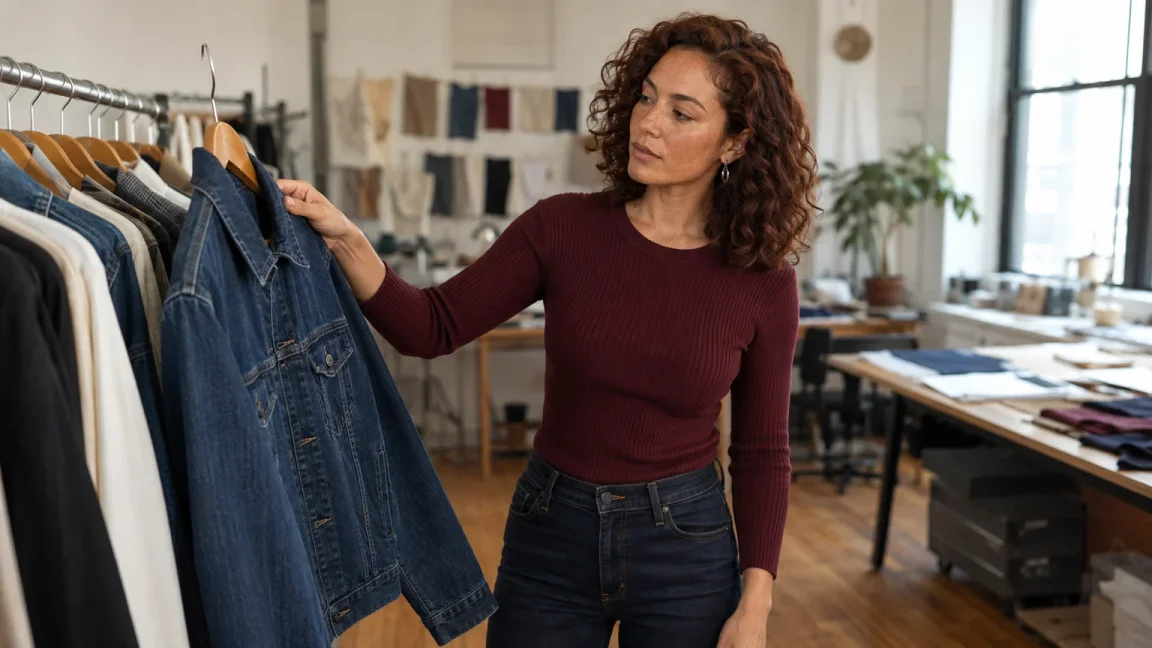
The influencer model has become a new creative asset for brands, creators, and agencies that need social content with fewer physical-production logistics. The term can also describe a human model with a social following. This guide focuses on a virtual or AI-generated model built for platforms like Instagram, TikTok, YouTube Shorts, fashion lookbooks, beauty campaigns, lifestyle visuals, UGC-style ads, and branded content. Instead of booking a human model for every shoot, teams can create a consistent digital personality and generate content around that identity.
This shift does not mean human creators are disappearing. It means the content ecosystem is expanding, and AI influencer models are giving marketers another practical way to produce polished, on-brand visuals with potential savings in time and coordination when the brief and review process fit.
Create your influencer model →What is an influencer model?
In this guide, an influencer model means a virtual or AI-created personality designed to appear in social media content, fashion imagery, beauty visuals, lifestyle posts, UGC-style ads, and brand campaigns. Unlike a traditional human influencer, an AI influencer model can be generated, styled, posed, and placed into different campaign concepts using digital tools rather than repeated physical photo or video shoots.
In simple terms, an influencer model is a consistent digital character that can represent a visual identity. That identity might look like a fashion creator, skincare enthusiast, fitness personality, travel blogger, streetwear model, or lifestyle ambassador. The key is consistency: the same face, aesthetic, tone, wardrobe direction, and content style can appear across many images, videos, and campaign formats.
For brands, this creates a useful bridge between influencer marketing and creative production. A virtual model can be used in content that looks native to social platforms while still being directed by the brand’s campaign goals. Instead of relying only on available talent, locations, weather, schedules, and shoot budgets, teams can design content around the visual concept they want to explore.
That flexibility is especially relevant for industries where visual identity matters. Fashion brands can test outfits and styling directions. Beauty brands can create skincare, makeup, or routine-focused content. Lifestyle businesses can build aspirational scenes around home, wellness, travel, food, or everyday routines. Agencies can also create UGC-style concepts that feel platform-native while keeping more control over brand consistency.
Why brands use a reusable influencer model
Social media used to reward simple visibility: post often, show a face, and build familiarity over time. That still matters, but the pace has changed. Brands now need more content for more placements, more formats, and more audience segments. A single campaign may require feed posts, short-form videos, story assets, paid social variations, product visuals, landing page graphics, and creator-style ads.
The influencer model fits into this environment because it treats a digital persona as a repeatable content system. Instead of building every asset from scratch, a brand can return to the same AI influencer model again and again, changing outfits, poses, backgrounds, captions, products, and creative angles. This makes the model less like a one-off image and more like a flexible brand asset.
This is also why virtual influencers are becoming relevant beyond experimental marketing. The value is not only novelty. The value is operational. When teams can create consistent photos, videos, poses, outfits, and campaign content around a single digital identity, they can test more ideas and keep their content pipeline moving.
For smaller brands, this can reduce the barrier to professional-looking creative. For larger teams, it can support campaign localization, seasonal drops, creative testing, and always-on social output. The influencer model gives both groups a way to build visual continuity without depending entirely on traditional production cycles.
AI influencer models vs traditional human models
AI influencer models and traditional human influencer models can both help brands create content, but they work in very different ways. A human influencer brings lived experience, personal credibility, real audience relationships, and spontaneous personality. An AI influencer model offers a reusable visual identity, creative direction, and repeatable production, with review needed for consistency.
A human model does not necessarily bring an established audience; that is a separate part of an influencer partnership. An AI character also starts without a community. For campaign purchasing decisions, see our AI-driven vs traditional UGC comparison.
The most important difference is that a human influencer is a person with their own voice, schedule, preferences, reputation, and audience. Their value often comes from trust and personal connection. When a creator recommends a product, followers may respond because they feel they know that person. Human influence is rooted in authenticity, relatability, and social proof.
An AI influencer model, by contrast, is a designed identity. It does not have lived experience or genuine personal use of a product. Its value comes from visual storytelling, brand control, and efficient content production. It can support campaigns where the goal is to create attractive, consistent, platform-friendly creative rather than rely on an individual creator’s personal relationship with an audience.
Key differences include:
- Creative control: A brand can direct the appearance, styling, poses, settings, and campaign mood of an AI influencer model through prompts and supported references, with some details requiring regeneration. A human influencer may interpret a brief in their own style, which can be valuable but less predictable.
- Consistency: A saved virtual model can help maintain a recognizable look across posts and campaigns, although identity can drift. Human creators naturally change appearance, availability, surroundings, and creative output over time.
- Production speed: AI-generated assets can often be created more quickly than organizing a physical shoot, especially when multiple outfit, pose, or background variations are needed.
- Cost structure: Traditional shoots may involve model fees, photographers, studios, travel, styling, editing, and scheduling. AI production may reduce some of those costs, though teams still pay for generation, retries, planning, creative direction, review, and editing.
- Scalability: An AI influencer model can be adapted for many content needs, from social posts to campaign visuals, without coordinating repeated in-person production.
- Human trust: A real influencer can speak from experience, respond naturally to followers, and build relationships in a way a virtual persona cannot genuinely replicate.
- Disclosure and transparency: AI-generated influencer content should be presented clearly and responsibly so audiences understand when they are seeing virtual or AI-created material.
The strongest strategies often do not treat one option as a replacement for the other. Human influencers are powerful when trust, personal testimony, and community matter. AI influencer models are useful when visual consistency, content volume, creative testing, and controlled brand presentation are the priority.
Benefits of an AI influencer model
Brands are using AI influencer models because social content demand has grown faster than many teams can realistically produce with traditional methods alone. A well-built influencer model helps brands create consistent visual assets, reduce production friction, move faster from idea to output, and scale campaign variations across platforms.
The pressure is easy to understand. A brand may need polished product visuals for a launch, casual UGC-style content for paid ads, lifestyle imagery for social feeds, and multiple creative variations for testing. Each asset may need different styling, framing, and messaging. Traditional production can absolutely deliver quality, but it can also require time, coordination, and budget that not every campaign has.
An AI influencer model offers a more flexible production layer. A team can build a consistent persona once, then generate many campaign concepts around that persona. The same model can appear in a skincare routine, a streetwear look, a wellness scene, a product unboxing, or a seasonal lifestyle visual. This makes it easier to keep brand identity recognizable while adapting content for different use cases.
A consistent face and visual identity
Consistency is one of the biggest benefits of an AI influencer model. Audiences recognize repeated visual cues: faces, colors, styling, settings, poses, and overall mood. When those cues appear across multiple posts and campaigns, the brand starts to feel more familiar.
With traditional production, consistency can be difficult. Lighting changes, locations vary, models become unavailable, and creative teams may shift between shoots. AI influencer models make it easier to repeat a specific look while still changing the concept. A beauty brand, for example, can keep the same virtual face and visual tone while testing different makeup styles, skincare products, or bathroom-shelf scenes.
This does not mean every image should look identical. In fact, a strong content system needs variety. The advantage is that the influencer model provides a recognizable anchor while the campaign changes around it.
Lower production costs, with a complete budget
AI influencer models can lower production costs by reducing the need for repeated physical shoots, location rentals, travel, and full production crews for every campaign variation. That matters most when a brand needs many pieces of content rather than one hero image.
Compare the cost per approved asset, not just the price of one generation. Unusable drafts, retries, editing, licensing, and human review can offset expected savings. See current plans and credits before budgeting.
For example, a fashion label may want to test five outfit combinations, three backgrounds, and several poses before deciding what performs best. A traditional shoot can do this, but each variation adds planning and cost. With an influencer model, the team can explore more creative directions earlier in the process and reserve larger production budgets for the concepts that prove most promising.
This benefit is not only about saving money. It is about reducing hesitation. When experimentation becomes less expensive, teams are more willing to test bolder creative ideas, build platform-specific variations, and refresh content before it becomes stale.
Faster content creation, with time for review
Speed matters in social media. Trends change, product priorities shift, and campaign windows can be short. AI influencer models help teams move faster because they can generate visual concepts without waiting for every part of a physical production schedule to align.
A brand can create seasonal imagery, lifestyle posts, product-focused visuals, or paid ad variations in a shorter workflow. If a concept needs a different outfit, pose, expression, or background, the team can iterate instead of starting an entirely new shoot plan. This faster feedback loop can be especially helpful for agencies managing multiple campaigns at once.
Fast content creation does not remove the need for judgment. The best results still require a clear brief, brand guidelines, quality review, and human editing. AI can accelerate production, but strategy decides what should be produced.
Easier scaling across content formats
Modern campaigns rarely live in one place. A single concept may need to appear on Instagram, TikTok, Pinterest, paid social, email, product pages, and landing pages. Each channel may require different dimensions, pacing, captions, and creative hooks.
An AI influencer model makes scaling easier because teams can generate variations around the same identity. The model can appear in vertical videos, square images, editorial-style fashion shots, UGC-style product moments, or lifestyle scenes. This helps brands maintain continuity while adapting assets to the way each platform works.
Scaling also applies to audience segments. A brand might create different campaign angles for casual shoppers, loyal customers, new product discovery, or seasonal promotions. The influencer model becomes a flexible visual character that can support each angle without losing the core identity.
Fashion, beauty, lifestyle, and UGC use cases
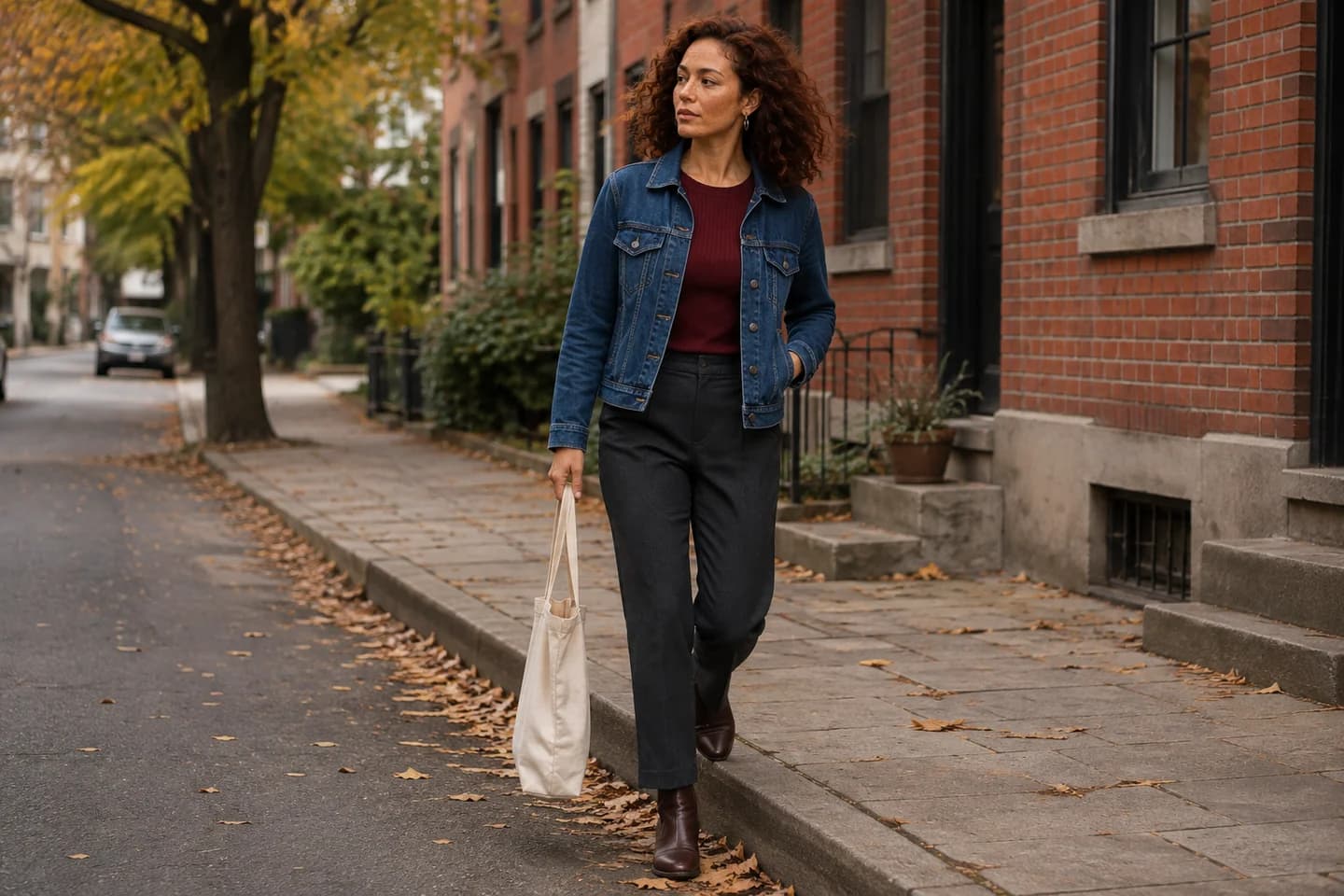
The influencer model is especially useful in categories where appearance, aspiration, styling, and repeatable visual storytelling are central to the buying journey. Fashion, beauty, lifestyle, and UGC-style brand campaigns are natural fits because they depend on visuals that feel current, relatable, and easy to adapt.
In fashion, an AI influencer model can show different outfits, poses, accessories, colors, and seasonal moods. A brand can create editorial-inspired content, casual street-style visuals, or product-focused try-on concepts around the same digital persona. This is useful for testing styling direction before investing in larger shoots or for filling social calendars between major campaigns.
In beauty, virtual models can support makeup looks, skincare routines, hair concepts, and product-led visuals. A consistent model can help a brand create recognizable content while changing lighting, textures, packaging placement, or routine steps. Because beauty content often depends on close-up detail, teams still need careful quality control to make sure images look polished and believable.
Do not use a generated skin change as evidence of skincare efficacy, a beauty treatment, or a before-and-after result. Review the product depiction against an authorized reference.
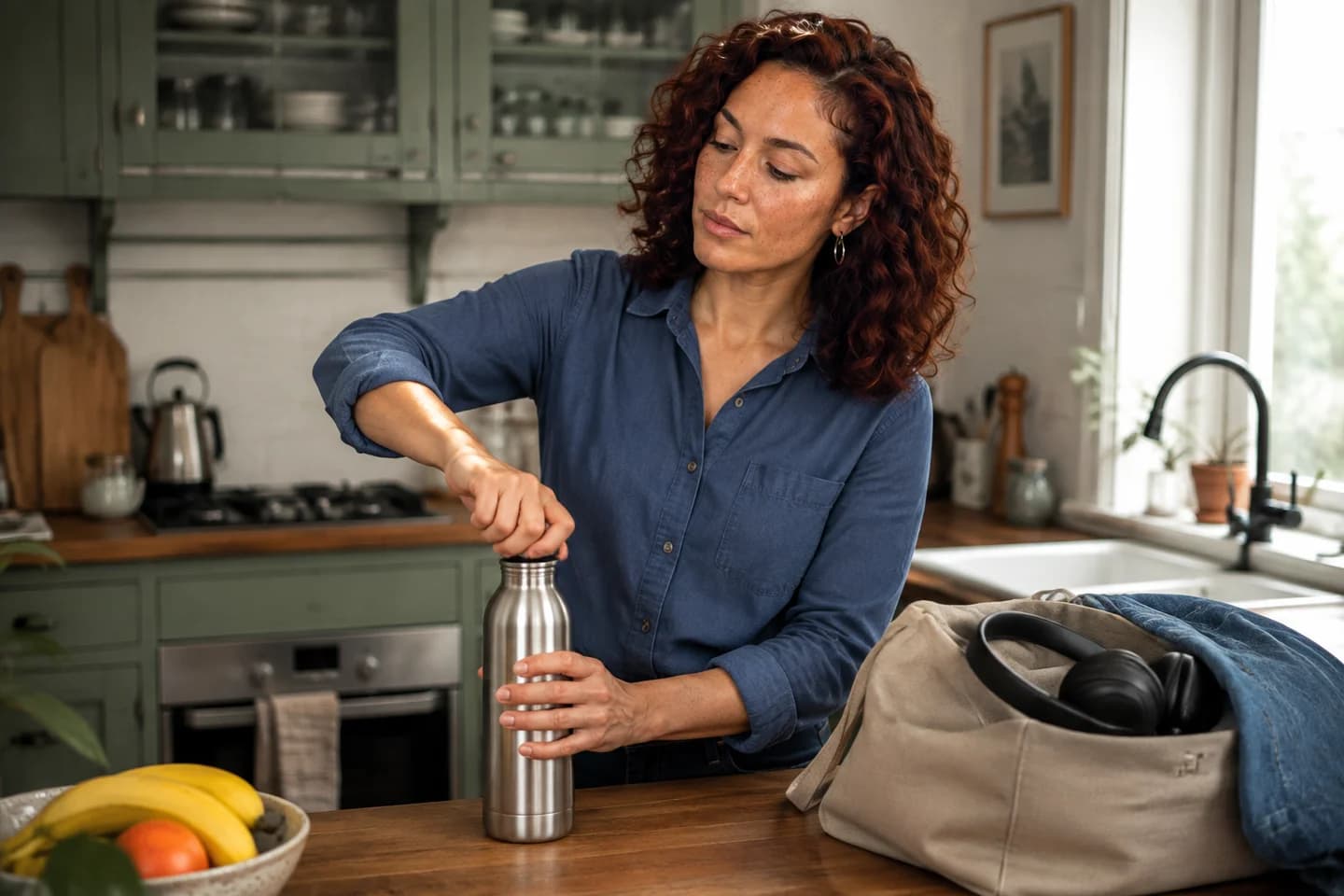
In lifestyle campaigns, an influencer model can appear in home, wellness, travel, fitness, food, or daily routine scenes. The benefit is flexibility. The same persona can move from a morning coffee setup to a gym look, a travel-inspired backdrop, or a cozy evening routine. This helps brands create a broader world around their products.
UGC-style content is another important use case. Many ads now try to feel less like formal commercials and more like native social posts. An AI influencer model can be used to create creator-style visuals, product demonstrations, unboxing concepts, or casual lifestyle scenes. The content should still be transparent when AI is used, but the format can help brands produce more social-first creative.
How to create your own influencer model
- 01 · IdentityDefine and save
- 02 · ContentGenerate and vary
- 03 · CampaignReview and publish
You can create your own influencer model with AI by defining the persona, generating a consistent visual identity, and then using that identity to produce campaign-ready photos, videos, outfits, poses, and social content. With AI Influencer Generator, the process becomes a repeatable workflow rather than a one-time image experiment.
A clear workflow helps because consistency is the real value. If the model changes too much from post to post, it will not feel like a recognizable brand asset. The goal is to create a digital persona that can be reused across content while still adapting to new concepts.
- Define the influencer concept. Start with the role the influencer model should play. Is the persona a fashion-forward streetwear model, a clean beauty creator, a wellness lifestyle personality, or a UGC-style product presenter? Decide the niche, mood, adult age range, visual style, and brand fit before generating assets.
- Set the visual identity. Choose the model’s core appearance, including facial features, hair, general styling direction, and overall aesthetic. Keep this grounded in the brand’s audience and campaign goals. The model should feel intentional, not random.
- Create the model in AI Influencer Generator. Use AI Influencer Generator to build the virtual or AI influencer model based on your concept. The aim is to create a consistent base identity that can be used repeatedly across social media, fashion, beauty, lifestyle, UGC, and brand campaign content.
- Generate consistent photos. Create still images in different settings while keeping the same model identity. For example, the influencer model might appear in a studio portrait, a street-style outfit, a skincare routine setup, or a lifestyle product scene.
- Build outfit and styling variations. Test clothing, accessories, colors, makeup looks, and seasonal styling. This is especially useful for fashion and beauty brands that need to compare creative directions before choosing final campaign assets.
- Create poses and expressions. Generate poses that fit the platform and campaign goal. A fashion post may need a confident editorial pose, while a UGC-style ad may need a more casual, selfie-like moment. Expressions, gestures, and framing should match the message.
- Produce short-form video concepts. Use the same influencer model identity to develop video-style assets or scenes for short-form platforms. These may include product moments, outfit transitions, routine-style clips, or campaign teasers depending on the tool’s available capabilities and the brand’s needs.
- Turn assets into campaign content. Add captions, hooks, product messaging, callouts, and platform-specific formatting. A single influencer model can support organic posts, paid ads, email visuals, landing page imagery, and launch content when the creative direction is planned well.
- Review for quality, accuracy, and transparency. Before publishing, check visual consistency, product representation, brand fit, and disclosure needs. Make sure the content does not imply real personal experience if the influencer model is virtual or AI-generated.
This workflow keeps the process practical. The AI Influencer Generator helps create the model and produce campaign assets, but the best results come from thoughtful direction. A strong brief, consistent style rules, and careful review are what turn AI output into usable brand content.
In Characters, define an adult character and review the saved identity reference. Continue with a supported image workflow, outfit concept, or short-video workflow. Set aspect ratio and available options in the controls, then submit and review. History keeps generated drafts available for later review.
Saved references guide identity; they do not lock every face, body, pose, garment, or voice detail. Changes usually mean another generation and its credit cost. Garment imagery is a visual interpretation, not a sizing or fit test. Captions, editing, publishing, community management, and campaign measurement remain your work outside this workflow.
Create your influencer model →Write a practical creative brief
An AI influencer model is only as useful as the direction behind it. Before generating photos, videos, outfits, or poses, teams should define what the model is meant to communicate. Without a brief, the content may look polished but feel disconnected from the brand.
Our influencer persona guide covers the editorial identity, while the prompt guide helps translate it into scene instructions.
A useful brief does not need to be complicated. It should answer the core creative questions: Who is this model for? What audience should recognize themselves or their aspirations in the content? What products, categories, or campaign themes will the model support? What should the content never look like?
A practical creative brief can include:
- Brand context: The product category, audience, tone, and visual world.
- Persona direction: The model’s niche, lifestyle, fashion sense, and content style.
- Platform needs: Whether assets are for Instagram, TikTok, paid ads, product pages, or email.
- Visual rules: Preferred colors, lighting, backgrounds, wardrobe types, and framing.
- Content formats: Portraits, UGC-style shots, outfit images, routine visuals, short videos, or campaign banners.
- Usage boundaries: What claims, visuals, products, or scenarios should be avoided.
- Disclosure approach: How the brand will be clear that the model is virtual or AI-generated when needed.
This kind of brief protects the brand from inconsistent output. It also helps teams judge whether an asset is working. Instead of asking, “Does this look good?” they can ask, “Does this match the model identity, campaign goal, and platform context?”
Build a content system, not a pile of images
One risk with AI-generated visuals is that teams may produce too much content simply because they can. More content is not automatically better. The influencer model should support a recognizable strategy, not flood channels with generic images.
Strong AI influencer content usually has a specific purpose. It may introduce a product, show a styling idea, create a lifestyle mood, support a launch, test an ad angle, or keep a brand visually active between larger campaigns. Every asset should have a reason to exist.
This is where human creative judgment matters. Teams should still think like editors. They should select the strongest images, refine captions, check details, and make sure the content feels aligned with the audience. A virtual model can make production easier, but it cannot replace taste, positioning, or strategy.
It also helps to create recurring content formats. For example, a beauty brand might use the influencer model for weekly routine visuals, seasonal makeup looks, and product spotlight posts. A fashion brand might use the model for outfit drops, styling comparisons, and campaign teasers. A lifestyle brand might build recurring scenes around morning routines, travel moments, or home rituals.
Recurring formats make the model feel familiar while giving the audience variety. They also make production planning easier because the team is not reinventing the content strategy every week.
Disclosure, product accuracy, and responsible use
As AI influencer models become more common, transparency becomes more important. Audiences should not be misled into believing a virtual persona is a real person with real experiences, especially when content involves product use, endorsements, testimonials, or lifestyle claims.
Responsible use begins with clarity. If a model is AI-generated, brands should consider how and where to disclose that fact. The disclosure approach may vary by platform, campaign type, and local requirements, but the principle is simple: do not present a virtual model as a human being if that would mislead the audience.
Use the platform’s current AI labeling controls and disclose material brand relationships where required. Meta explains its approach to AI content labels; the FTC explains sponsorship disclosure. An AI label is not a substitute for an advertising disclosure. See our AI disclosure guidance and commercial-use conditions.
Brands should also avoid making claims that an AI influencer model cannot genuinely make. A virtual persona cannot personally test a skincare product, experience a fitness routine, taste a beverage, or form a real opinion. Content can show a product in a styled scene, but it should not fake personal testimony.
There are also representation considerations. Because AI models are designed, teams should be thoughtful about diversity, beauty standards, cultural references, and unrealistic imagery. The goal should be creative expression and useful brand content, not deceptive perfection.
A simple ethical checklist can help:
- Be clear when content features a virtual or AI influencer model.
- Avoid fake personal experiences, reviews, or testimonials.
- Review visuals for unrealistic body, skin, or beauty standards.
- Make sure product depictions are accurate and not misleading.
- Keep brand claims separate from fictional persona storytelling.
- Use human review before publishing campaign assets.
Ethical use is not just about risk management. It also builds trust. When audiences understand what they are seeing, they can appreciate the creative concept without feeling tricked.
How the workflow changes creative teamwork
The rise of the influencer model does not remove the need for marketers, designers, photographers, editors, or strategists. It changes where their time goes. Instead of spending all their energy coordinating production logistics, creative teams can spend more time shaping concepts, testing variations, and refining final assets.
This can make the creative process more strategic. A team can explore multiple campaign routes before committing to one direction. They can test different visual hooks, styling choices, or audience angles. They can also build libraries of reusable brand assets around a consistent model identity.
For agencies, this can be especially useful. Client work often requires speed, variety, and clear presentation. An AI influencer model can help agencies mock up campaign ideas, build social-first creative, and generate variations for review. Once a concept is approved, teams can decide whether to continue with AI-generated assets, combine them with human creator content, or use them as a reference for a traditional shoot.
For in-house teams, the benefit may be consistency. A brand can maintain a steady flow of content without needing a full shoot every time a new social post is needed. This gives smaller teams more creative range and gives larger teams a faster way to support campaigns between major production moments.
Practical tips for stronger influencer content
An influencer model works best when it is treated like a long-term content asset, not a shortcut for random visuals. The more carefully you define and manage the model, the more useful it becomes across campaigns.
Use these tips to keep the content strong:
- Start with one clear niche. A model that tries to be a luxury fashion editor, fitness coach, beauty creator, travel blogger, and tech reviewer all at once may feel unfocused. Begin with the strongest use case and expand later.
- Create a visual style guide. Document the model’s look, wardrobe direction, preferred backgrounds, lighting style, poses, and campaign tone. This keeps assets consistent as more content is created.
- Plan content by campaign goal. Decide whether each asset is meant to build awareness, explain a product, support a launch, test an ad hook, or create lifestyle appeal.
- Mix polished and native formats. Editorial images can look premium, while UGC-style visuals can feel more social-first. A balanced content plan may use both.
- Review every asset closely. Check hands, faces, product details, logos, packaging, text, shadows, and proportions. Small errors can make AI content feel less credible.
- Keep captions human. Even if the visual is AI-generated, the writing should sound natural, specific, and aligned with the brand voice.
- Measure what works. Track which concepts, poses, outfits, and hooks perform best. Use those insights to guide the next round of content.
- Stay transparent. Make sure the audience is not misled about whether the model is real or virtual.
These practices help the influencer model become part of a serious content system. The goal is not to generate endless images. The goal is to produce better campaign assets with less friction.
A hybrid approach to human and AI content
The most likely future is not fully human or fully virtual. It is hybrid. Brands will continue working with human influencers because real voices, communities, and personal stories matter. At the same time, AI influencer models may become a more common part of the content production toolkit.
A hybrid strategy might use human creators for testimonials, reviews, live events, community engagement, and authentic storytelling. The same brand might use an AI influencer model for fashion visuals, product scenes, campaign variations, paid ad testing, or always-on lifestyle content. Each tool supports a different job.
This approach is more realistic than treating AI as a replacement for people. Human influencers bring credibility and emotional connection. AI influencer models bring creative control and scalable production. When brands understand the difference, they can use both more effectively.
The rise of the influencer model also encourages teams to think more deeply about identity. A brand is no longer limited to a logo, color palette, and product photography style. It can build recurring characters, visual worlds, and campaign personalities. Used well, those assets can make content feel more distinctive in crowded feeds.
Your next campaign starts with one identity
The influencer model is rising because it solves a real content problem: brands need more high-quality visuals, in more formats, with more consistency and less production friction. As a virtual or AI-generated model for social media, fashion, beauty, lifestyle, UGC, and brand campaigns, it gives teams a flexible way to create recognizable content around a repeatable digital identity.
The benefits are practical. AI influencer models can support consistency, lower production cost, faster content creation, and easier scaling across platforms. They can help brands test ideas, generate outfit and pose variations, produce campaign visuals, and maintain a stronger visual rhythm.
Still, the best results come from human strategy. A clear brief, thoughtful disclosure, strong editing, and audience-aware messaging are what separate useful AI influencer content from generic output. An influencer model can be a useful creative layer for marketing when the team has a clear purpose, a review process, and a realistic production budget.
Start with one fictional adult influencer model and one campaign concept. For more scene directions, explore copy-and-paste photo prompts or our male virtual creator guide.
Create your influencer model →
Plan Content
Measure Engagement
Build Your Profile
Price Your Work
Write Post Copy
Brand Partnerships