
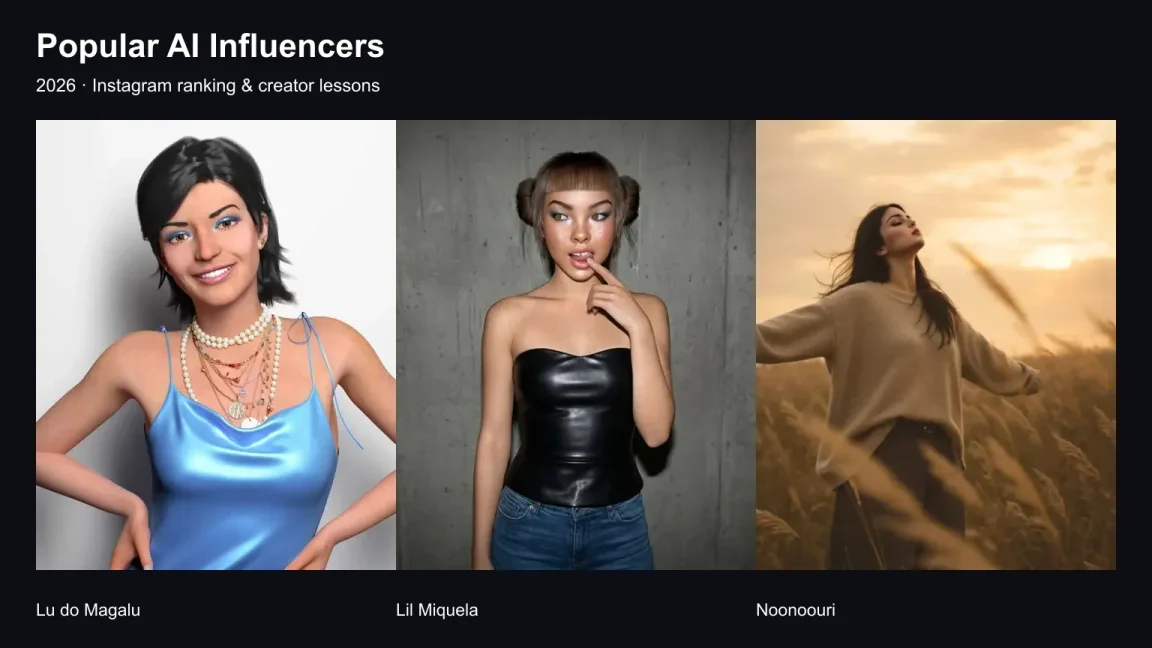
Which AI influencer is most popular? By Instagram's displayed follower count, Lu do Magalu leads the seven accounts reviewed here. Lu represents a retailer's entire brand account; the other entries include virtual creators, a comedy persona, and digital models. This is a checked sample, not a census of every virtual influencer.
Follower snapshots checked September 6, 2026. Platform-rounded figures can change. No income rankings or follower totals combined across platforms.
Create your AI influencer →Popular AI influencers on Instagram: the checked ranking
Accounts are ordered by the numeric value represented by Instagram's rounded display. Brand-account reach, creator reach, CGI and generative-AI production are different contexts, so the account type is shown beside each name.
The people, characters, and teams behind the accounts
AI influencers are fictional, digital personalities used to attract attention, tell stories, and promote products across social platforms. They may look hyper-real, cartoonish, futuristic, or intentionally strange, but the marketing idea is the same: build a recognizable character that audiences want to follow. For brands, the opportunity is creative control and scalable content; the challenge is earning trust in a space where authenticity matters more than novelty.
An AI influencer is a synthetic persona that acts like a social media creator, usually through posts, videos, captions, comments, brand partnerships, and ongoing storylines. Some are made with CGI, 3D design, generative AI, motion tools, voice synthesis, or a mix of all of these. Most are not fully autonomous; human teams still shape their appearance, write their personality, plan campaigns, approve partnerships, and manage audience interaction.
Marketing cares because influencer work has always been partly about performance and partly about character. A strong creator gives a brand a voice, a face, and a repeatable way to show up in culture. AI influencers push that idea further by making the “creator” itself a brand asset: reusable across planned content and not tied to one performer’s schedule, while still requiring human production and management.
That does not make them automatically better than human creators. Outcomes depend on persona design, product fit, trust, platform context, and audience expectations. An AI influencer can be useful when the concept makes sense, but novelty alone is not a lasting strategy.
The search for a popular ai influencer often starts with follower counts, but the strongest examples are more than big accounts. They have a clear identity, repeatable visual world, content niche, and commercial reason to exist. Some behave like fashion creators, some like entertainers, and others like brand mascots redesigned for the social era.
1. Lu do Magalu
- Niche and format
- Retail, lifestyle, consumer technology and shopping. Bright, product-led stories built for a Brazilian retail audience.
- Why it works
- Lu is attached to a real commerce system. Product education, entertainment and a familiar voice make the character useful beyond individual sponsored posts.
- Commercial activity, not income estimates
- Owned retail promotion: the official account invites shoppers to buy through WhatsApp. Account reach is not standalone creator income.
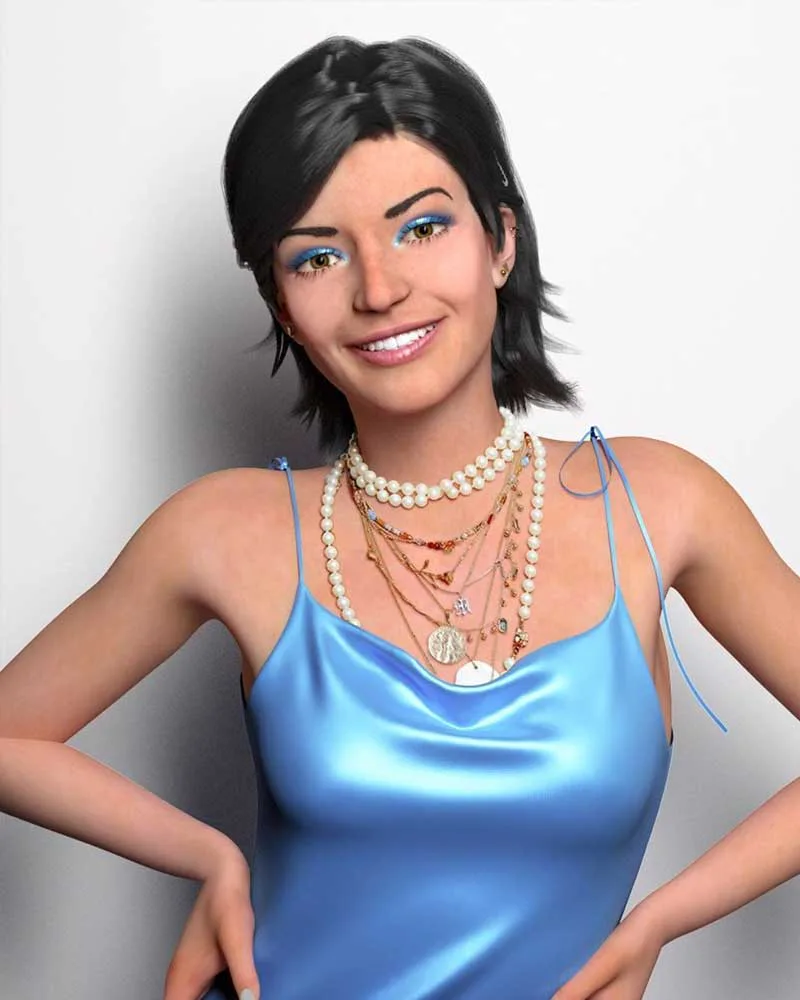
If the question is the most popular AI influencer on Instagram by sheer scale, Lu do Magalu has the largest displayed account audience among the seven reviewed here. Lu is the virtual personality attached to Brazilian retailer Magazine Luiza. The @magazineluiza figure belongs to the retailer’s whole account, so it should not be mistaken for the reach of an independent creator.
Lu’s strength is integration. She is not simply dropped into occasional campaigns; she is part of the retailer’s social identity, product education, app presence, and customer-facing brand world. That makes her less like a one-off influencer partnership and more like a long-term owned media channel with a humanized face.
2. Lil Miquela
- Niche and format
- Fashion, music, culture and digital celebrity. A serialized character mixing fashion editorials, music releases and social commentary.
- Why it works
- The account behaves like an ongoing media property. A recognizable voice and story give audiences a reason to follow between campaigns.
- Commercial activity, not income estimates
- Music releases and fashion-led commercial work; the official bio currently links to the Prototype release. No revenue amount is public here.
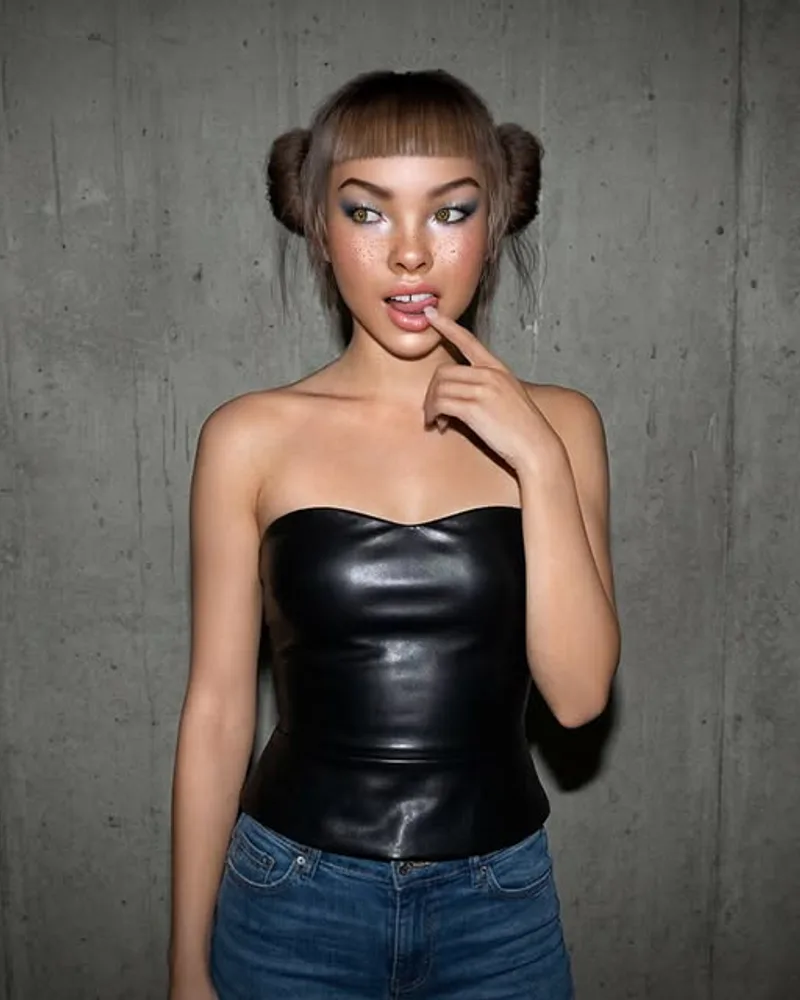
Lil Miquela remains one of the best-known virtual influencers because she helped introduce the idea to mainstream Instagram culture. She blends fashion, music, and celebrity-style storytelling, which makes her feel less like a simple mascot and more like a fictional public figure. The checked official Instagram snapshot is listed above; it is a rounded platform display, not an audited audience count.
Her importance is not only her follower count. Lil Miquela showed brands that a digital character could hold attention over time, collaborate in fashion contexts, and spark conversation about what audiences will accept as “real enough” online. She is a useful case study for brands that want cultural relevance, but also a warning: the more human an AI influencer appears, the more carefully the brand needs to handle disclosure and audience expectations.
3. Granny Spills
- Niche and format
- Comedy, character-led advice and entertainment. An older pink-suited persona delivering sharp, short character monologues.
- Why it works
- A recognizable voice and comic point of view give viewers a reason to return beyond the novelty of an AI face.
- Commercial activity, not income estimates
- The official bio links to an Artlist affiliate offer and provides a commercial contact; a Custom videos highlight is visible. These show offers, not realized earnings.
Not every AI influencer has to be young, polished, and model-like. Granny Spills is an older, pink-suited, comedic AI personality whose appeal comes from sharp character writing rather than conventional beauty. Her official Instagram and TikTok profiles provide separate audience snapshots; the figures measure different platform followings and should not be added into a unique audience total.
That matters because it widens the creative brief. AI influencer marketing is not limited to digital supermodels. The more interesting future may include fictional experts, mascots, entertainers, hosts, niche educators, and surreal characters that no traditional casting process would naturally produce.
4. Noonoouri

- Niche and format
- Luxury fashion, digital art, music and sustainability. A distinctive virtual fashion identity spanning stylized imagery, realism and music.
- Why it works
- A deliberately illustrated identity is memorable and avoids competing on human realism alone. The art direction fits luxury storytelling.
- Commercial activity, not income estimates
- Official profiles identify IMG representation and Warner Music artist affiliation. The official site documents a Barbie collaboration with Mattel; no deal value is disclosed.
Noonoouri shows the value of a distinct visual identity. Her well-known stylized fashion character has expanded into a visual world that now combines AI, CGI, 3D, and realism, as described on her official website. Her official Instagram identifies IMG representation and Warner Music affiliation, while her website documents a Mattel Barbie collaboration.
That stylization is part of the strategy. In high fashion, audiences already accept fantasy, art direction, exaggeration, and visual world-building. A character like Noonoouri can fit naturally because the point is not to look like an everyday person reviewing a product in a bedroom; it is to embody a mood, an aesthetic, and a brand universe.
5. Aitana López
- Niche and format
- Fitness, fashion, gaming and lifestyle. Photorealistic portraits, fitness scenes and direct creator-style captions.
- Why it works
- Aitana occupies a specific fitness-and-gaming persona rather than presenting as a generic model. Her team also explains the business model publicly.
- Commercial activity, not income estimates
- The official bio identifies The Clueless and an OpenArt ambassador role. This supports agency-led brand work, not the old monthly-income claims.
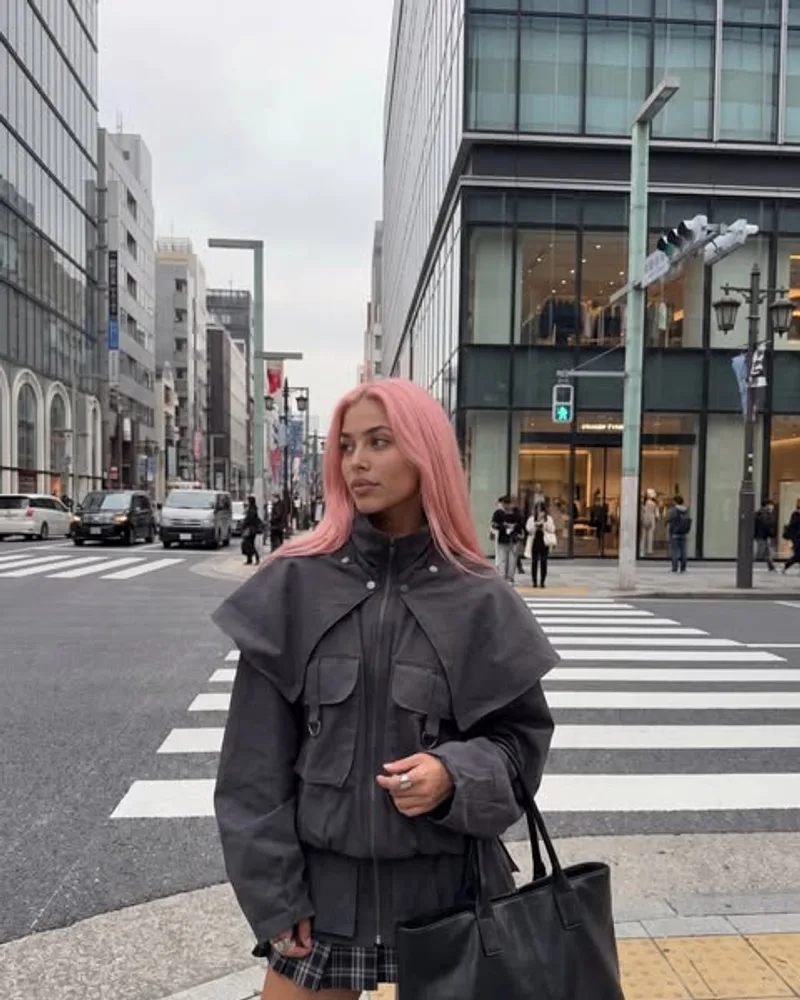
Aitana López, created by The Clueless agency, became widely discussed as a realistic commercial virtual model. Her official bio identifies a virtual fitness and lifestyle persona, The Clueless, and an OpenArt ambassador role. These are observable commercial signals; older reports about monthly earnings are not used as verified income.
Aitana represents a newer class of AI influencer: built less as a sci-fi character and more as a realistic commercial model. Her content sits around fitness, fashion, gaming, lifestyle, and aspirational visuals. For marketers, she raises a practical question: if a synthetic model can deliver consistent visuals and flexible production, where does the brand still need a human creator’s lived experience?
6. imma
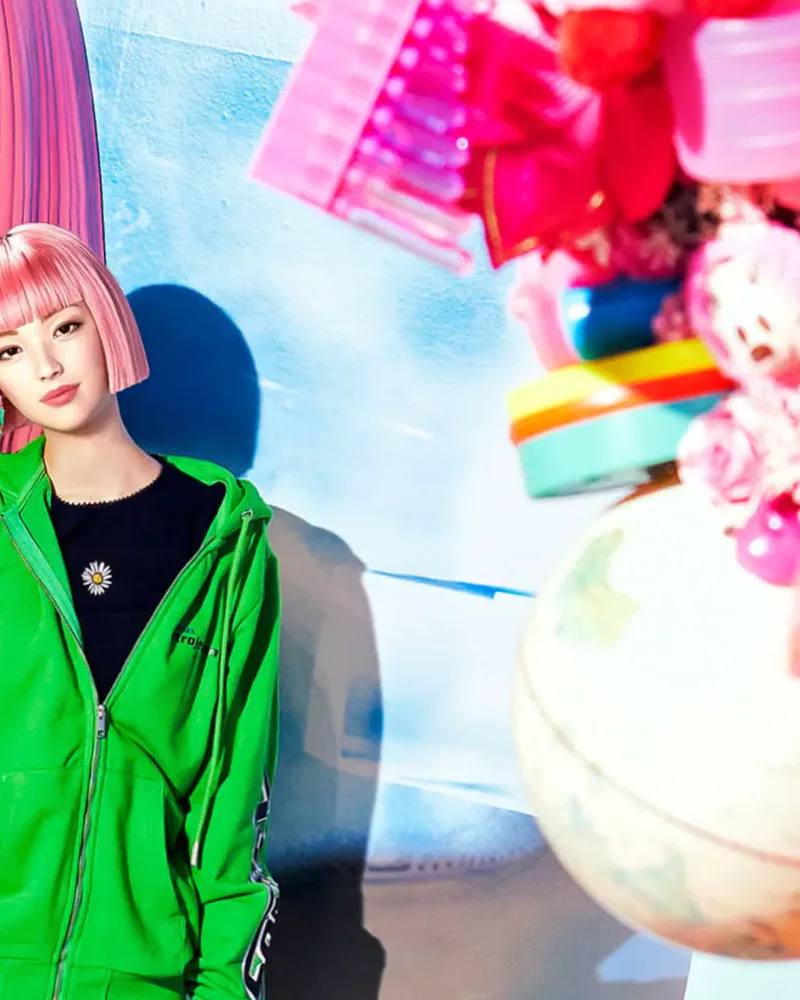
- Niche and format
- Fashion, contemporary art, design and Japanese culture. Photorealistic CGI placed in real urban environments and editorial collaborations.
- Why it works
- Tokyo-specific references and polished compositing make the character culturally situated rather than interchangeable.
- Commercial activity, not income estimates
- Fashion and branded creative work are documented by her creator studio. The official Instagram also links to an Amazon destination; a link does not establish sales or commission.
7. Shudu

- Niche and format
- High fashion, beauty, luxury editorials and digital fashion. Studio-quality CGI portraiture with couture styling and controlled art direction.
- Why it works
- Shudu has a precise visual territory and is presented as digital craft, supporting premium editorial partnerships.
- Commercial activity, not income estimates
- Her official profile links to The Diigitals, supporting a representation-led digital modeling business. Specific fees or licensing income are not disclosed.
Beyond Instagram: TikTok and the wider creator world
Granny Spills' official TikTok account displayed 920.7K followers on 2026-09-06. That is a separate audience measure from Instagram. Her character-led short videos show why writing, delivery, and a recognizable comic point of view matter alongside visual identity.
Noonoouri's official site connects her visual world with music releases and a Mattel Barbie collaboration; Lil Miquela's Instagram bio links to music. These are examples of activity beyond a photo feed, not cross-platform follower rankings. We do not infer music revenue, unique reach, or platform growth from them.
What makes a popular AI influencer worth following?
Brands are drawn to AI influencers because they can reduce some of the friction that comes with traditional creator campaigns. A synthetic persona does not need travel coordination, reshoots caused by availability issues, or the same level of personal reputation risk. A brand can plan a month of visuals, adapt a campaign to multiple markets, and maintain a consistent character style without waiting for a single creator’s calendar.
The bigger benefit is control. With a human influencer, the brand rents access to a person’s audience and credibility. With an owned or licensed AI influencer, the brand can shape the persona’s voice, backstory, aesthetic, wardrobe, locations, and message architecture. That is especially attractive for companies in fashion, beauty, retail, entertainment, gaming, travel, and consumer tech, where visual consistency and speed matter.
Still, cost should not be oversold. AI content can be cheaper to produce at scale, especially for variations, concept testing, and always-on social assets. But a serious AI influencer still needs strategy, design, moderation, editing, legal review, community management, and media planning. The cheap version is easy to make; the credible version takes work.
Useful benefits include:
- Creative consistency: a recognizable face, tone, world, and styling can be maintained with reference guidance and review across posts, reels, ads, landing pages, and product launches.
- Fast iteration: teams can test outfits, locations, hooks, and campaign angles using available production tools before committing to a larger rollout.
- Brand safety control: companies can avoid some off-camera behavior risks, although they create new risks around deception, bias, and backlash.
- Global adaptability: the same character can be localized for different markets if the brand handles culture, language, and disclosure carefully.
- Owned equity: a brand-built character can grow into a recognizable asset rather than a temporary paid placement.
The tradeoff is credibility. Human creators can speak from actual experience: how a product feels, what happened on a trip, why a routine works, or how a service solved a real problem. AI influencers can dramatize, explain, entertain, and model, but they cannot honestly claim lived experience. That line should shape every campaign brief.
For a deeper look at recurring formats and niche positioning, read our 10 Instagram content strategy case studies. The famous AI models guide focuses on visual identity and character styles.
Create your own consistent AI influencer
AI influencers are created through a blend of character strategy, visual production, content planning, audience management, and legal oversight. The technology can include generative image tools, 3D rendering, video generation, voice tools, avatar platforms, and editing software, but the real work is building a persona that stays consistent over time. Without human direction, an AI influencer quickly becomes a folder of attractive images instead of a believable media property.
A practical creation process usually looks like this:
- Define the role of the character. Decide whether the influencer is a brand mascot, independent-looking creator, product educator, entertainer, model, or campaign host. This choice affects disclosure, content tone, and audience expectations.
- Build a persona system. Document age range, visual style, values, interests, humor, vocabulary, boundaries, and topics the character will never touch. Consistency is what makes the audience remember the character.
- Design the visual identity. Create face, body, wardrobe, color palette, environments, camera style, and editing rules. Hyper-realistic characters need extra quality control because small errors can damage trust.
- Create content pillars. Plan recurring formats such as product styling, behind-the-scenes fictional diaries, educational explainers, trend reactions, tutorials, or community prompts.
- Add human oversight. People should approve captions, claims, comments, sponsorships, and sensitive topics. Automation can assist, but it should not decide brand safety rules on its own.
- Set disclosure standards. Make it clear when the persona is AI-generated or virtual, and disclose paid relationships in the same place a human influencer would.
- Measure and refine. Track not just likes, but audience quality, sentiment, conversion behavior, repeat engagement, and whether the character improves or weakens brand trust.
The strongest AI influencers are managed like editorial brands. They need a calendar, a style guide, a crisis plan, a comment policy, and a clear commercial model. If the team cannot explain who the character is, what it stands for, and why people should care, the visuals will not carry the strategy for long.
In AI Influencer Generator's Characters workspace, create or reuse an authorized adult character and review the identity reference. Use consistent character photos to explore a scene, outfit, or pose, then review the result in History. Continue with the existing video workflow for supported short-video concepts.
Saved references guide identity; they do not guarantee identical faces, bodies, outfits, or motion. Review the available controls and credit quote before generating. Revisions may need another generation. Publishing, scheduling, captions, comments, audience management, and analytics remain your work in external tools. Study these creators' principles rather than copying their identities.
Create your AI influencer →Measure audience fit, not just popularity
Engagement is useful, but it is not enough. Do not assume a virtual influencer will outperform a human creator just because a broad industry benchmark suggests it. The useful question is how a particular persona performs for the intended audience, product, and campaign.
A better measurement plan connects the AI influencer to a specific job. If the goal is awareness, track reach, share of voice, saves, comments, brand search lift, and press mentions. If the goal is conversion, track landing page visits, assisted conversions, promo code use, cart behavior, and cost per acquisition. If the goal is brand building, use sentiment analysis, audience surveys, comment quality, and repeat engagement.
For an AI influencer, marketers should also monitor signals that do not matter as much in a standard creator campaign:
- Disclosure response: Do people appreciate transparency, ignore it, or react negatively?
- Believability without deception: Does the audience understand the character is synthetic while still enjoying the content?
- Persona fit: Does the influencer’s world match the product, or does the partnership feel like a random ad pasted onto a digital face?
- Comment quality: Are people asking about the product, discussing the character, or mainly debating whether AI should exist?
- Long-term fatigue: Does engagement hold after the novelty fades?
This is where the “ai influencer most popular” mindset can mislead marketers. Popularity helps, but the best campaign partner is not always the biggest synthetic personality. It is the character whose audience, tone, and level of artificiality make sense for the product.
Trust, disclosure, and human oversight
AI influencer marketing sits inside a larger trust problem. Audiences already know that social media is edited, filtered, sponsored, and algorithmically shaped. When a brand adds a synthetic person to that environment, the campaign can feel imaginative or manipulative depending on how clearly it is presented.
In the United States, the FTC’s endorsement guidance emphasizes clear disclosure of material relationships between endorsers and brands, including social media influencer relationships. A virtual character does not remove that responsibility. Check the rules that apply to the audience and market of each campaign; advertising and synthetic-content requirements differ across jurisdictions. (ftc.gov)
Those rules vary by market, and they will keep evolving. The practical standard for brands should be simple: if a reasonable viewer might think the person is real, say that the character is virtual or AI-generated. If the post is sponsored, say that too. Do not hide disclosure in vague hashtags, tiny text, or a bio that users may never read.
Ethical AI influencer campaigns should avoid:
- Fake lived experience: a synthetic persona should not claim to have used a skincare product for six months, recovered from an illness, visited a hotel, or experienced a service as a real customer.
- Undisclosed sponsorships: paid promotion needs clear labeling, whether the influencer is human or virtual.
- Identity exploitation: brands should be careful about borrowing cultural markers, body types, accents, or marginalized identities without accountability or representation behind the work.
- Manipulative realism: if the character is designed to be mistaken for a real person, the brand is creating avoidable trust risk.
- Unmoderated automation: comments and DMs can create legal, reputational, or safety issues if no human team is watching.
Good disclosure does not ruin the magic. In many cases, it makes the concept easier to enjoy because the audience understands the rules of the performance.
See our AI disclosure guidance and commercial-use guidance before publishing. A fictional persona cannot supply real personal testimony.
Where human creators still matter
AI influencers will compete with some forms of creator work, especially generic modeling, simple product shots, and low-context visual content. But they do not replace the full value of human influence. A person can bring memory, taste, vulnerability, expertise, community history, and accountability. Those qualities become more valuable as synthetic content becomes easier to produce.
Human creators can respond by leaning into what AI cannot honestly do. That means more behind-the-scenes process, real testing, live interaction, personal point of view, niche expertise, and community rituals. A fitness creator showing months of training, a parent explaining an actual routine, or a chef developing a recipe from lived practice has a kind of evidence an AI persona cannot duplicate.
For brands, the future is likely hybrid. An AI character may introduce a product world, create scalable visual assets, or host a fictional campaign. Human creators may then provide reviews, tutorials, live events, taste-making, and proof. The best mix uses AI for flexibility and humans for trust.
A practical checklist before launch
Before building or hiring an AI influencer, brands should slow down and answer a few hard questions. The technology is accessible, but strategy is still the difference between a memorable character and disposable AI content.
Use this checklist before launch:
- Purpose: What job will the AI influencer do better than a human creator, brand account, or traditional ad?
- Audience: Will the target audience enjoy a synthetic persona, or will it reduce trust?
- Persona: Can the team describe the character’s voice, values, humor, style, and boundaries in one page?
- Fit: Does the product belong naturally in the character’s world?
- Disclosure: Will every viewer quickly understand that the persona is virtual or AI-generated?
- Claims: Are all product claims factual, supportable, and not framed as personal lived experience?
- Ownership: Who owns the character design, content, voice, likeness, and reusable assets?
- Moderation: Who responds to comments, handles criticism, and approves sensitive topics?
- Measurement: Which metrics prove success beyond likes and curiosity clicks?
- Exit plan: What happens if the audience rejects the campaign, regulations change, or the character becomes off-brand?
This checklist is especially important for brands chasing the most popular ai influencer on instagram. A famous AI personality may deliver reach, but reach without fit can make a campaign feel hollow. A smaller, better-matched persona may create stronger attention, cleaner storytelling, and a safer brand association.
Build a reason to follow
The rise of AI influencers is not just a trend about digital faces. It is a shift in how brands think about characters, creators, content supply, and control. As generative tools improve, the barrier to making a synthetic influencer will keep falling, which means the market will fill with lookalike avatars, low-effort accounts, and short-lived novelty projects.
That flood will make strategy more important, not less. The winners will be characters with a reason to exist, transparent rules, strong creative direction, and a clear relationship to the audience. The losers will be generic “perfect” faces attached to generic captions and generic sponsorships.
For marketers, AI influencers are best treated as a new creative format, not a shortcut to instant influence. Used well, they can extend a brand’s imagination, test ideas quickly, and create memorable social storytelling. Used carelessly, they can make a brand look deceptive, out of touch, or replaceable by the same tools it is trying to exploit.
The takeaway is simple: AI can manufacture an influencer’s image, but it cannot manufacture trust by itself. Trust still comes from clarity, consistency, relevance, and respect for the audience. That is true whether the face in the feed is human, virtual, or somewhere in between.
Create your AI influencer →Sources and methodology
Instagram and TikTok counts were read from the official public profiles on September 6, 2026, using the platforms' displayed precision. Ordering uses those rounded snapshots, not audited exact follower totals or engagement quality. The seven-account selection combines the supplied article's examples with imma and Shudu; it is not an exhaustive global league table. Missing counts are excluded from ranking, never treated as zero.
Commercial descriptions distinguish observable offers, representation and named collaborations from earnings. The official profile and website links beside each case provide the evidence trail. Sources can change; recheck them before a campaign decision. No automatic live-update feed is implied.
Cover references: Lu do Magalu / VirtualHumans, Lil Miquela, and Noonoouri. Images identify the subjects being discussed; they are not AI Influencer Generator outputs, endorsements, or evidence of a partnership. Granny Spills is presented without a portrait because no sufficiently sourced local image was selected.
Plan Content
Measure Engagement
Build Your Profile
Price Your Work
Write Post Copy
Brand Partnerships