
How to Build a Midjourney AI Influencer
AI-generated personalities are becoming a serious part of digital culture, and Midjourney is one of the tools creators use to explore a recognizable visual direction. A Midjourney AI influencer is not just a pretty image feed; it is a designed identity with a look, tone, audience, and content strategy. For brands, creators, and marketers, the opportunity is exciting, but it works best when creativity is paired with transparency, planning, and a real understanding of what audiences value.

What a Midjourney AI influencer is
A Midjourney AI influencer is a fictional or semi-fictional digital persona whose visual identity is created, refined, or supported using Midjourney. The character may appear in social posts, campaign visuals, lifestyle scenes, product concepts, or storytelling content, often with a recognizable visual direction across fashion, setting, and personality.
The important point is that the influencer is not the software itself. Midjourney helps generate the imagery, but the strategy still comes from people. Someone has to decide who the persona is, what they stand for, how they communicate, what kind of audience they serve, and how the content should feel. Without that human direction, an AI influencer can quickly look impressive but feel empty.
Build a personality like a brand
This is why the strongest AI personas are built like brands. They have a visual system, a recognizable point of view, and a content purpose beyond novelty. The best ones invite curiosity while still giving the audience something useful, entertaining, or emotionally engaging.
- Audience
- The niche the character serves and the reason people should care.
- Persona
- The role, point of view, interests, values, and boundaries that shape the voice.
- Visual world
- Wardrobe, light, colors, locations, framing, expressions, and recurring details.
- Content pillars
- A small set of themes that make posts feel connected instead of random.
- Review rules
- Checks for likeness rights, accuracy, representation, disclosure, and brand fit.
Why AI personalities are rising
AI influencers are rising because they sit at the intersection of creative freedom, brand control, and digital storytelling. They allow creators to imagine characters, worlds, and campaign ideas without the same limits that come with traditional photo production. A persona can appear in a futuristic city one day, a minimalist studio the next, and a seasonal fashion concept after that.
For marketers, that flexibility can be valuable. A digital personality can be shaped around a niche audience, a product category, or a brand mood. It can also be adjusted over time as the concept develops. Instead of relying only on available locations, models, styling, and production schedules, teams can explore many visual directions before committing to a campaign.
Audiences are also more comfortable with blended realities online than they once were. Filters, avatars, gaming identities, virtual worlds, and AI-generated art have made digital personas easier to understand. Still, attention does not automatically equal trust. People may enjoy an AI character’s style, but they still expect clarity about what is real, what is generated, and what is promotional.

What Midjourney contributes to visual direction
Midjourney is especially appealing for visual-first content because it can help creators explore polished styles quickly. For an AI influencer, that matters because appearance and atmosphere are often the first things people notice. A deliberate look can make the persona feel more memorable, while varied scenes can keep the feed from feeling repetitive.
Midjourney creation happens in your own external workflow. The planning decisions below apply before and after any individual image is made.
Visual experimentation
Creators can test fashion styles, environments, lighting, poses, and moods before choosing a direction.
World-building
A persona can exist inside a distinctive visual universe, from luxury lifestyle to retro futurism to wellness minimalism.
Campaign flexibility
Brands can create seasonal or conceptual imagery without needing every detail to be physically produced.
Niche storytelling
A character can be designed for a specific audience, such as fitness fans, beauty shoppers, tech enthusiasts, or travel dreamers.
Content consistency
With careful prompting and art direction, creators can build a recognizable aesthetic across many posts, then review each result before publishing.
The value is not simply speed. It is the ability to imagine more options, refine faster, and build a visual identity that might be difficult or expensive to create in a traditional shoot.

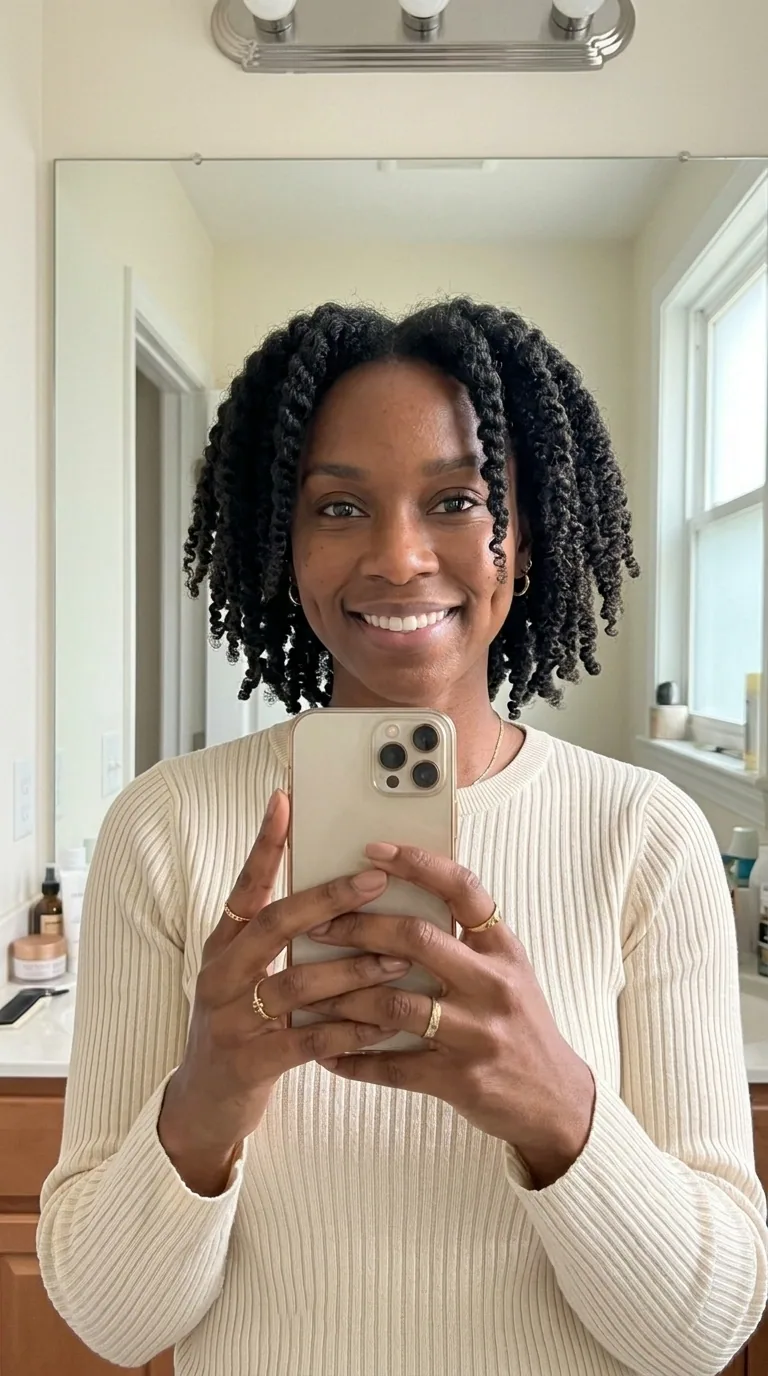
A persona needs purpose and boundaries
An AI influencer feels believable when the persona has consistency, purpose, and boundaries. The audience should understand the character’s world, tone, and role, even if they know the visuals are AI-generated.
Believability starts with a clear identity. Is the persona a style editor, a virtual athlete, a skincare enthusiast, a tech reviewer, or a fictional traveler? The answer shapes everything from captions to partnerships. A generic attractive face with random lifestyle images may get curiosity at first, but it rarely builds lasting engagement.
The voice matters just as much as the visuals. Captions should sound like they come from a defined perspective, not a collection of vague motivational phrases. If the persona is playful, the writing should show that. If the persona is educational, the posts should offer practical takeaways. If the persona is aspirational, the content should still feel grounded enough for people to connect with it.
Transparency, representation, and trust
The rise of the Midjourney AI influencer also brings real challenges. The first is transparency. If a digital persona is used in branded content, audiences should not be misled into believing they are seeing a real person, a real trip, or a real product experience when they are not. Clear disclosure protects trust and helps avoid confusion.
Representation is another concern. AI visuals can easily repeat narrow beauty standards or create unrealistic lifestyles if the creator does not guide the output thoughtfully. Responsible creative direction means asking who is represented, what assumptions are being reinforced, and whether the persona adds something meaningful rather than simply copying familiar influencer tropes.
There are also practical brand risks. A character without a defined strategy can become difficult to manage. A campaign that looks innovative at launch may feel gimmicky if there is no editorial plan behind it. And if a brand uses AI content without considering rights, consent, disclosure, or platform expectations, the short-term novelty can turn into a reputational problem.
Plan before the first image
A strong AI influencer strategy begins before the first image is generated. Treat the persona as a content property, not a one-off experiment. The more clearly you define the character, the easier it becomes to create recognizable visuals, captions, and campaigns.
A practical planning checklist includes:
- 01
Define the purpose
Decide whether the persona is for brand storytelling, entertainment, education, product promotion, or community building.
- 02
Create an identity guide
Outline the character’s style, tone, interests, values, visual references, and content boundaries.
- 03
Set transparency rules
Decide how and where you will disclose AI-generated visuals and sponsored content.
- 04
Build content pillars
Choose repeatable themes, such as styling tips, behind-the-scenes world-building, product concepts, or trend commentary.
- 05
Keep human oversight
Review images and captions for quality, accuracy, inclusivity, and brand fit before publishing.
- 06
Measure more than views
Look at saves, comments, sentiment, clicks, and audience questions to understand whether the persona is building real interest.
This approach keeps the project from becoming a gallery of disconnected images. It gives the character a reason to exist and gives the audience a reason to return.
Turn a character into a content system
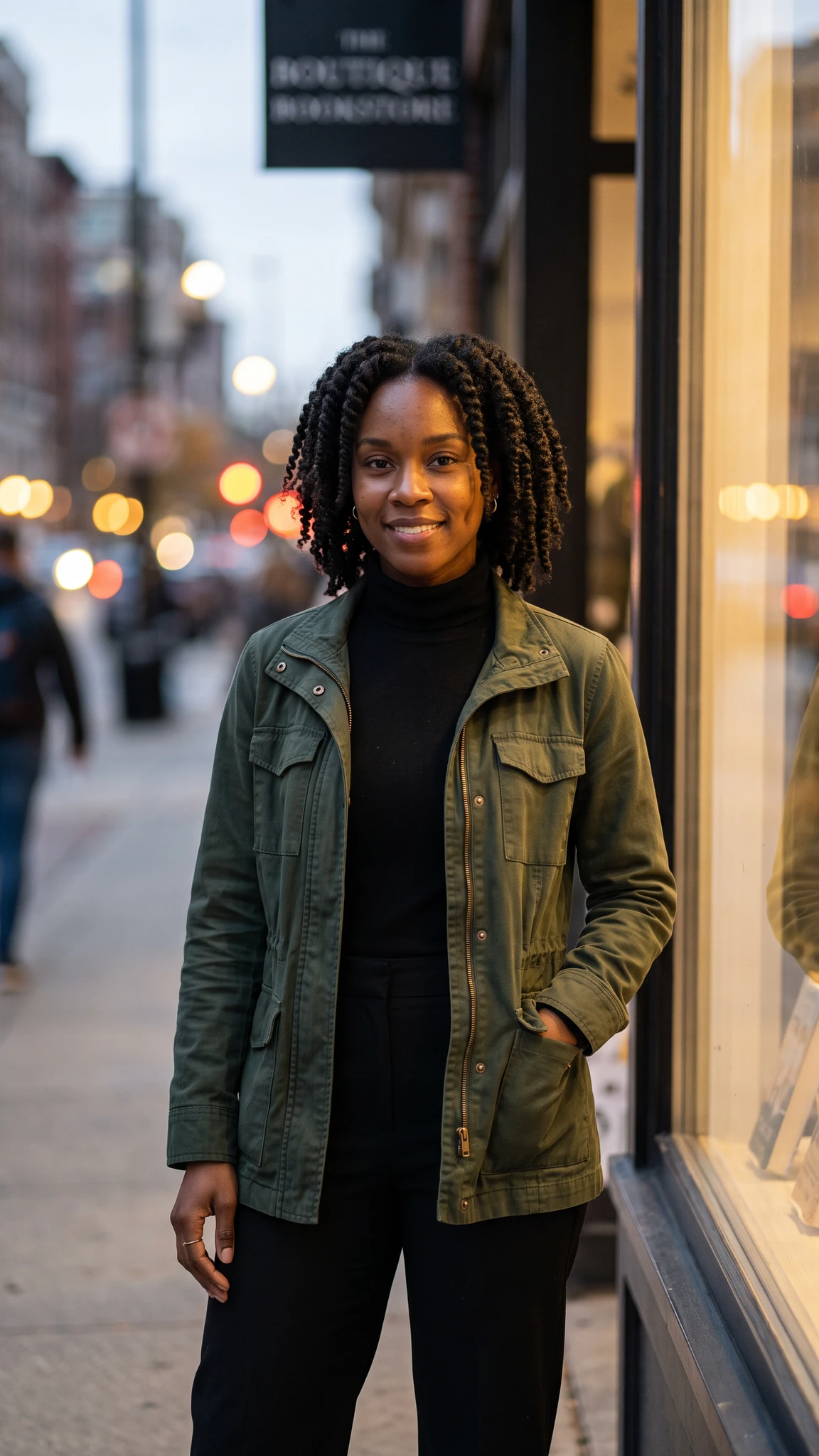
Build a launch batch with a few connected directions: a lifestyle post, a product concept, a seasonal moment, and a vertical cover. The goal is not a fake social profile. It is enough varied, reviewable material to see whether the visual system holds together.
Fashion, beauty, travel, product, education, and entertainment can all be useful directions when they are tied to a defined audience and purpose.

Bring the direction into Studio
AI Influencer Generator does not run Midjourney or import a Midjourney account, tasks, history, or parameters. It provides a separate saved fictional-adult character workflow for making reviewable images and creator-led videos.
Start with a character direction, create images in different scenes, then use human review to check likeness, anatomy, styling, disclosure, rights, and context before external publishing.

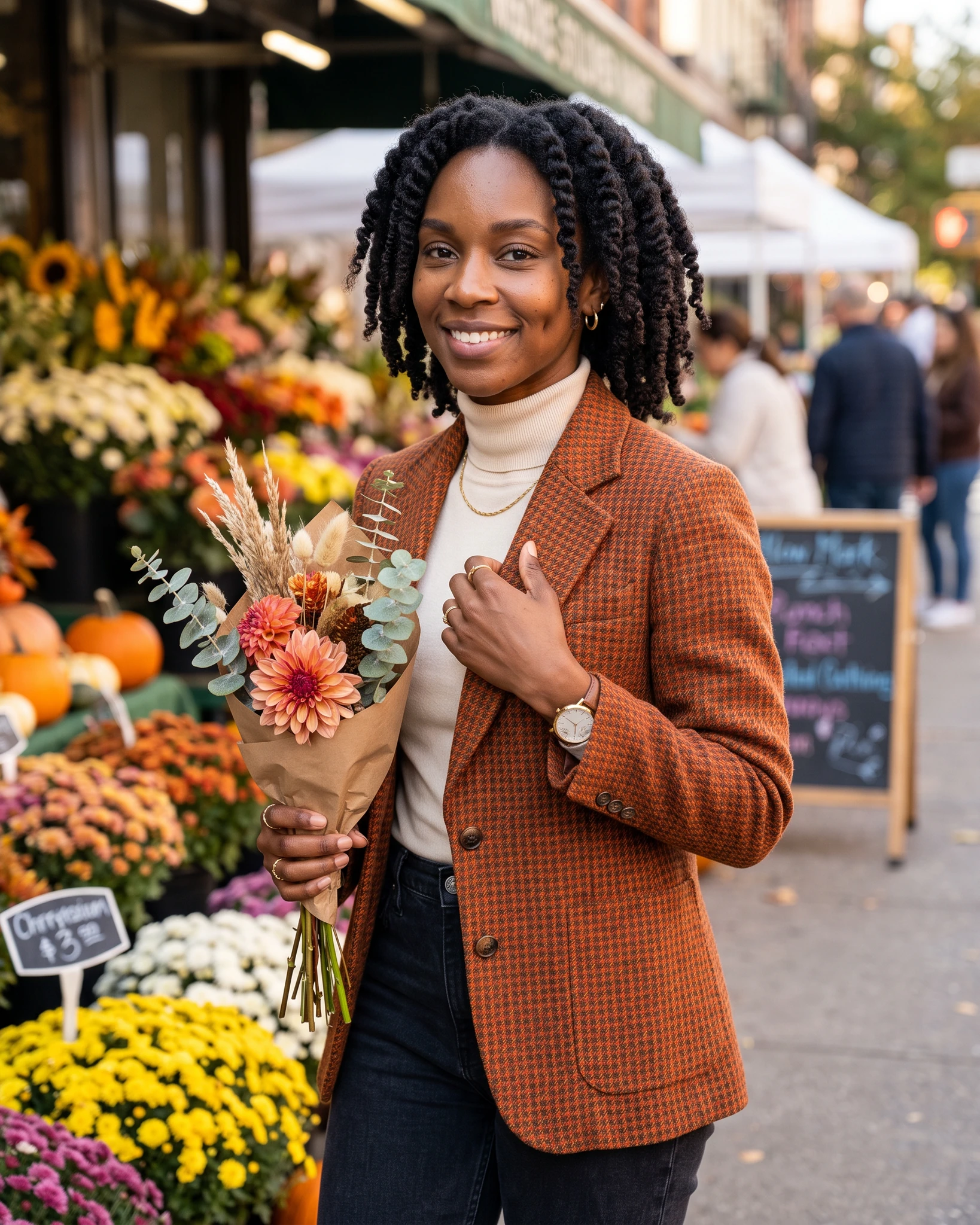
Keep the human review in the loop
AI influencers are likely to become more common as visual tools improve and audiences become more familiar with synthetic media. Some will be built for campaigns, others for entertainment, and others as long-term brand characters. The most successful examples will not rely only on beautiful imagery. They will combine creative direction, recognizable storytelling, and honest communication.
- Check every output for anatomy, unintended likeness, and visual drift.
- Confirm that product, travel, and lifestyle claims are accurate and authorized.
- Disclose generated and sponsored material in the right context.
- Keep account setup, publishing, captions, comments, DMs, analytics, and optimization in your external workflow.
Make the idea useful, not just visually impressive
For creators, Midjourney offers a powerful way to prototype and build digital identities. For brands, it opens new possibilities for visual campaigns and audience engagement. But the real opportunity is not to replace human creativity. It is to expand what creative teams can imagine, test, and express.
The rise of the AI influencer is ultimately a reminder that technology can attract attention, but trust keeps it. A thoughtful Midjourney AI influencer should feel intentional, transparent, and useful—not just visually impressive. When those pieces work together, digital personalities can become more than a trend. They can become a new kind of creative asset.
Frequently asked questions
Shape a digital personality with a reason to exist.
Start with a fictional adult character direction, then create a reviewable first image.